7 Montessori Lunch Packing Tips That Build Toddler Independence
7 Montessori Lunch Packing Tips That Build Toddler Independence
Lunchtime can be more than just a meal; it’s a golden opportunity to nurture your toddler’s budding independence. The Montessori philosophy, known for fostering self-reliance and practical life skills, offers wonderful insights into packing lunches that empower little ones. Imagine a lunchbox your child can confidently open, eat from, and even help prepare. It’s not just a dream! With a few thoughtful adjustments, you can transform lunch packing into a stepping stone for greater autonomy.
As parents, we often rush to do everything for our children in the name of efficiency. But slowing down and involving them in simple tasks like lunch preparation can build incredible confidence and capability. This guide will walk you through seven practical, Montessori-inspired tips to make lunch packing a collaborative, independence-building experience for your toddler.
1. Choose Child-Friendly Containers
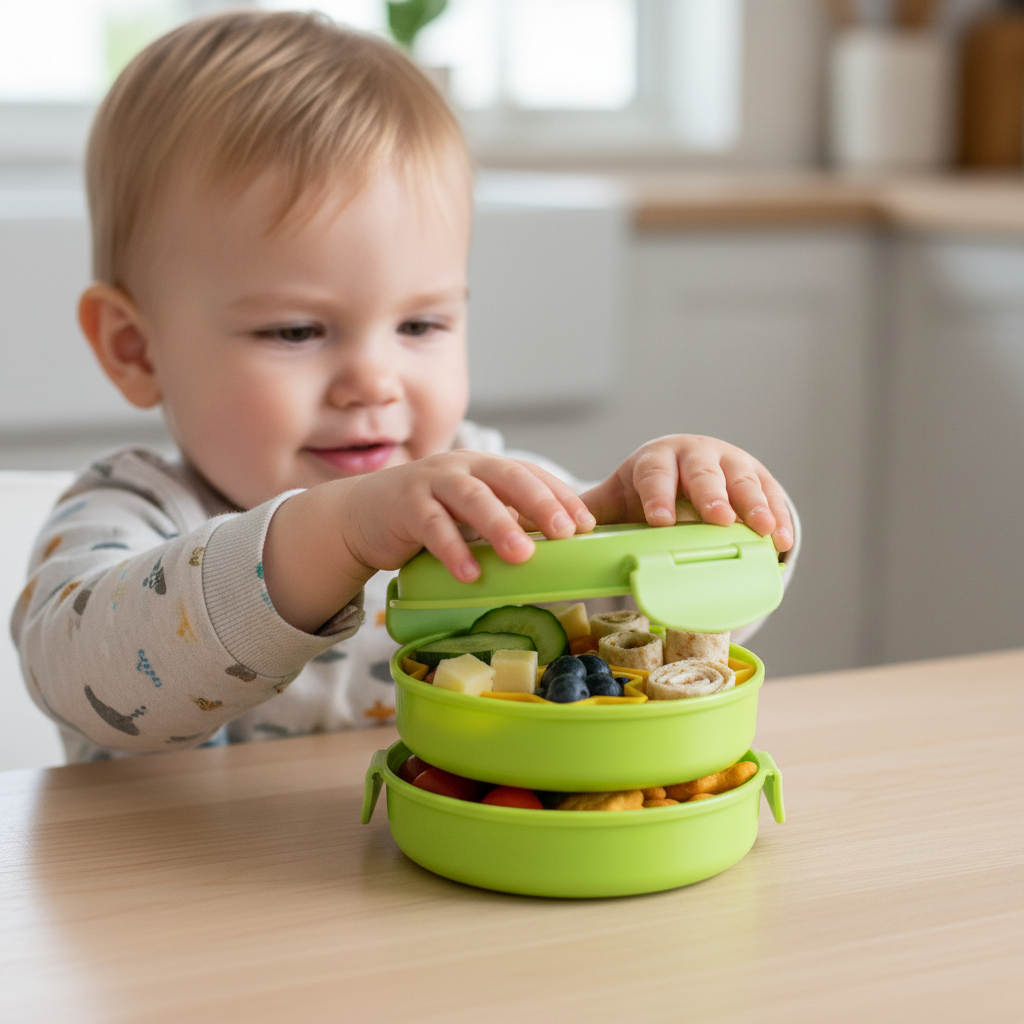
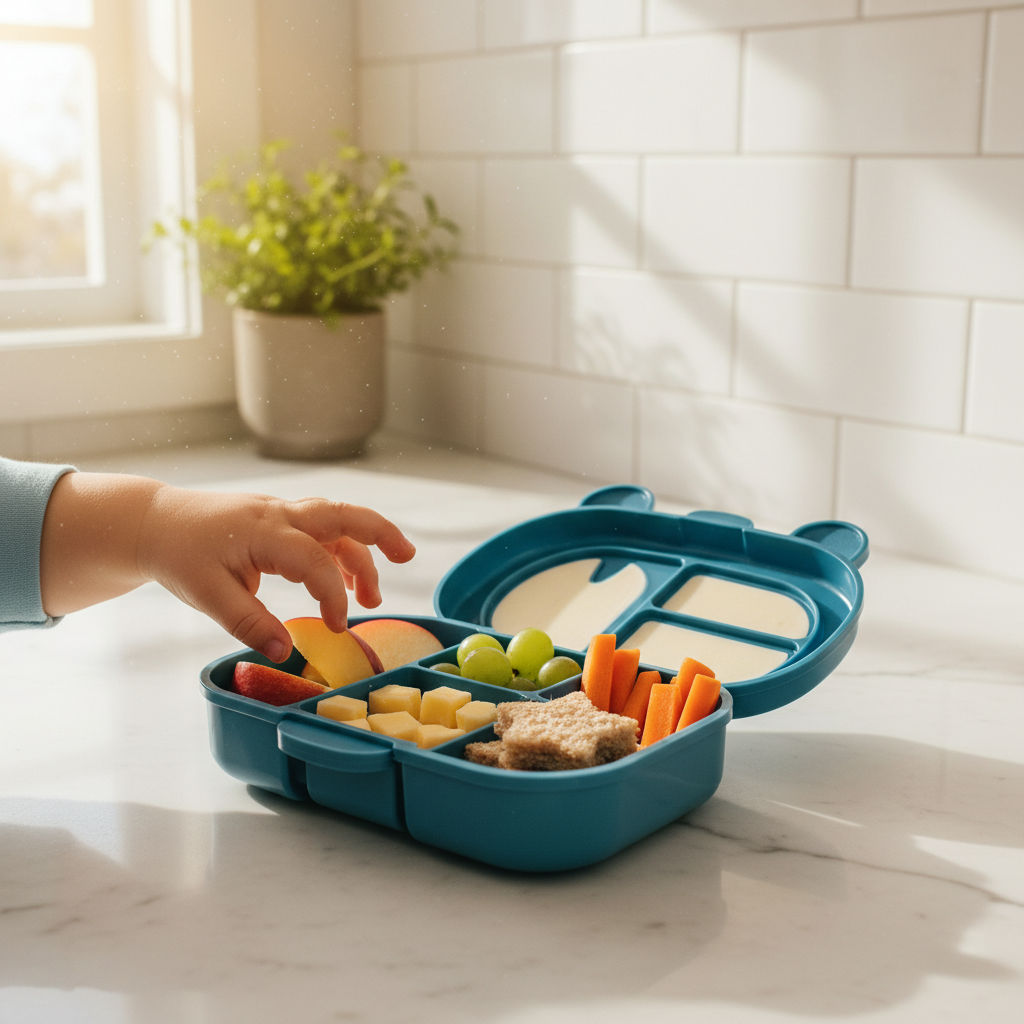
The foundation of an independent lunch experience starts with the right tools. For toddlers, this means containers that are easy for small hands to open and close without adult assistance. Look for bento-style boxes with simple latches or silicone lids that don’t require much force. Avoid complex clips, tight seals, or multiple small containers that can be frustrating to manage. The goal is to minimize obstacles so your child can access their food proudly.
Practical Tip Practice at home! Let your toddler open and close their lunchbox a few times before their first independent lunch. This builds familiarity and confidence.
2. Pack Easy-to-Eat Foods
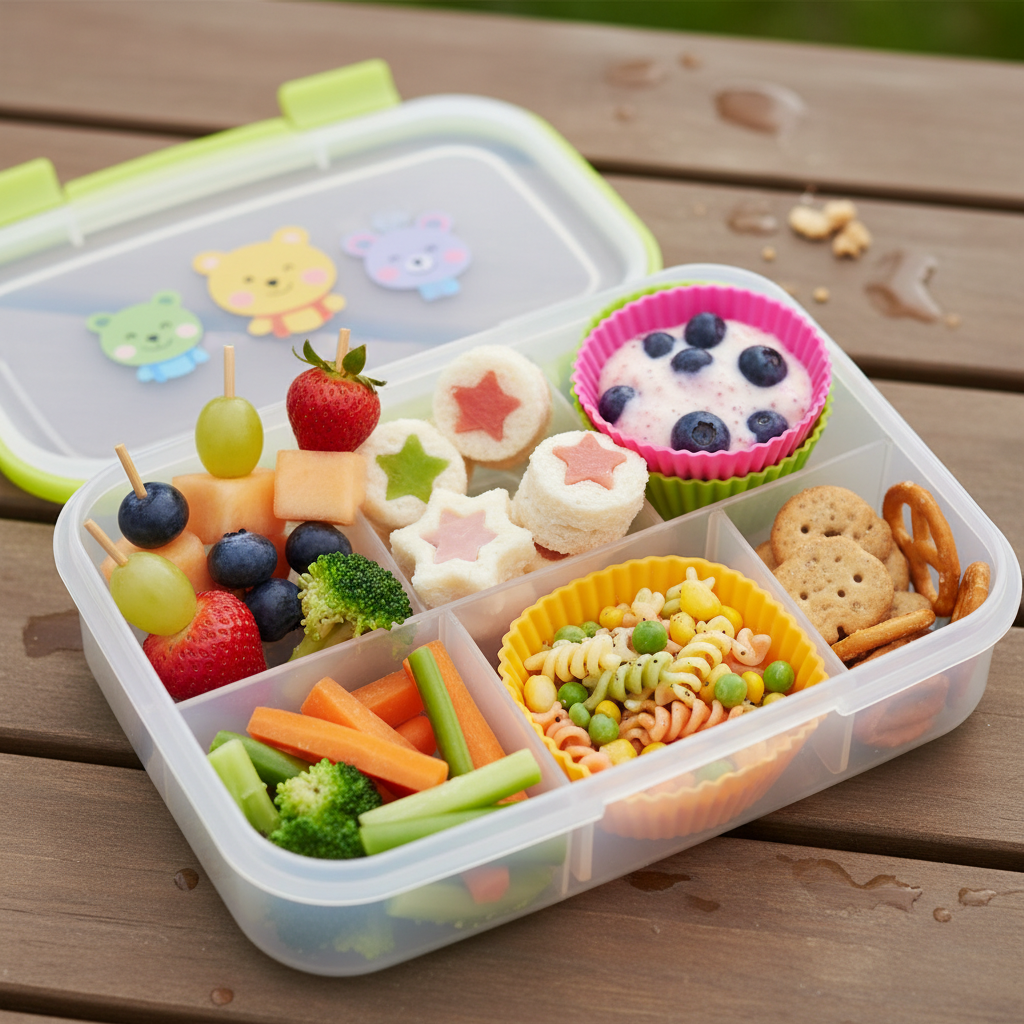
Think bite-sized and finger-friendly. Toddlers are still developing their fine motor skills, and wrestling with tricky foods can lead to frustration and uneaten lunches. Cut sandwiches into small squares or shapes, slice fruits like grapes and cherry tomatoes in half (or quarters for younger toddlers) to prevent choking hazards, and offer pre-peeled items. Foods that require minimal effort to eat allow your child to focus on the act of eating, rather than struggling with the food itself.
Consider these easy-to-eat options:
- Small cheese cubes or string cheese
- Cooked pasta spirals
- Soft fruit pieces (berries, melon, banana slices)
- Steamed vegetable sticks (cucumber, carrot, bell pepper)
- Mini muffins or crackers
- Hard-boiled egg halves
3. Offer Appropriate Portions
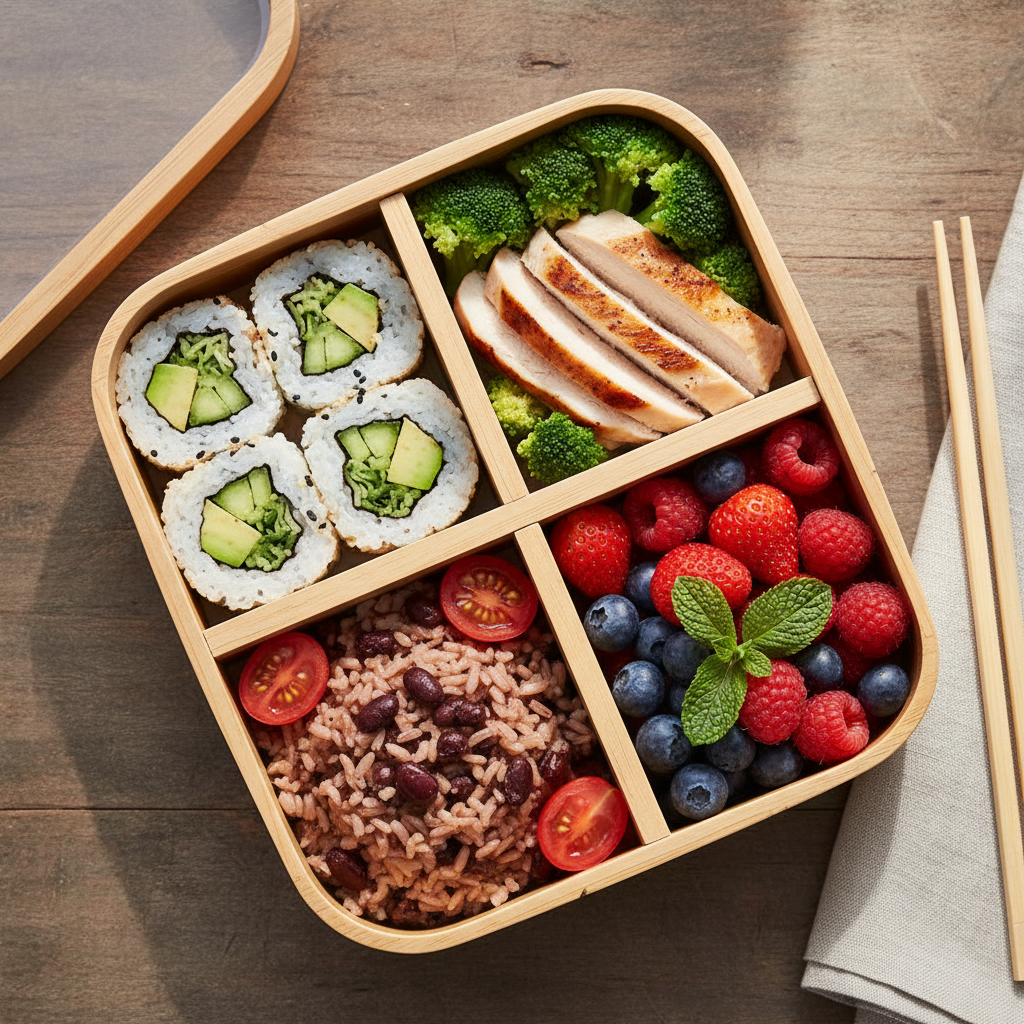
Overwhelming a toddler with too much food can be counterproductive. Montessori emphasizes providing just enough, allowing the child to complete a task successfully. Pack small, manageable portions of each food item. It’s better to send a little less and have them finish everything than to send too much and have them feel defeated by a half-eaten meal. Learning to recognize their own hunger and fullness cues is a crucial step in developing a healthy relationship with food.
Parenting Insight Remember, toddlers have small stomachs. A balanced meal doesn’t need to be huge; it needs to be nutrient-dense and appealing.
4. Involve Your Toddler in Preparation
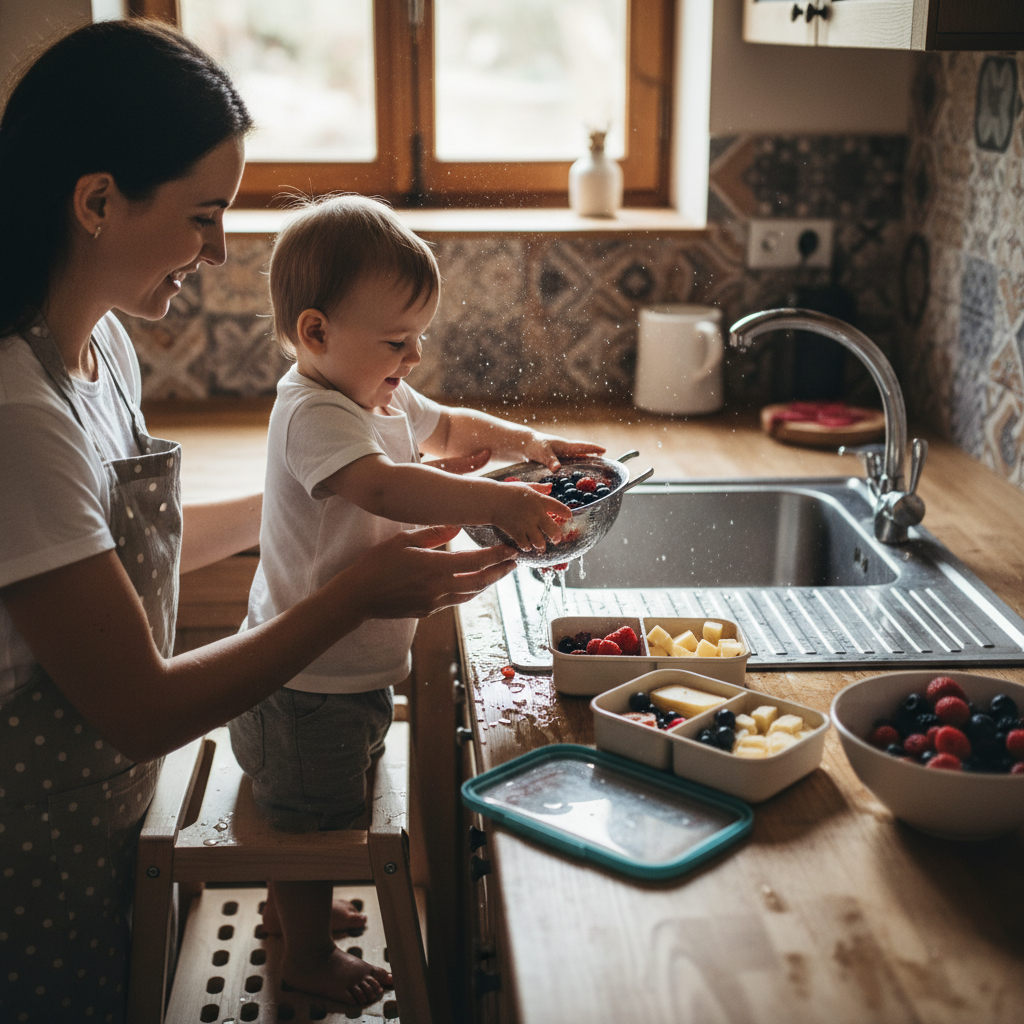
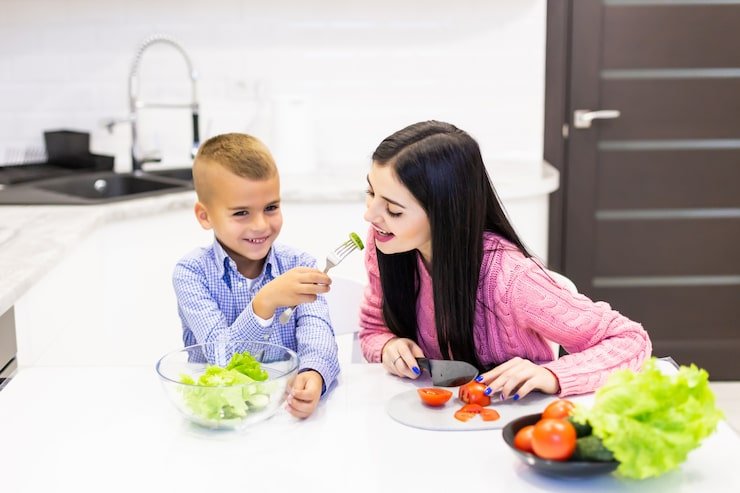
This is where the magic of Montessori truly shines. From a young age, toddlers are eager to contribute. Involve them in age-appropriate steps of lunch preparation. This could be:
- Washing fruits and vegetables
- Choosing between two healthy snack options
- Placing pre-cut items into their lunchbox compartments
- Helping to spread jam on bread (with supervision)
Even small tasks build a sense of ownership and competence. When children help prepare their food, they are often more likely to eat it, too!
5. Prioritize Balanced Nutrition
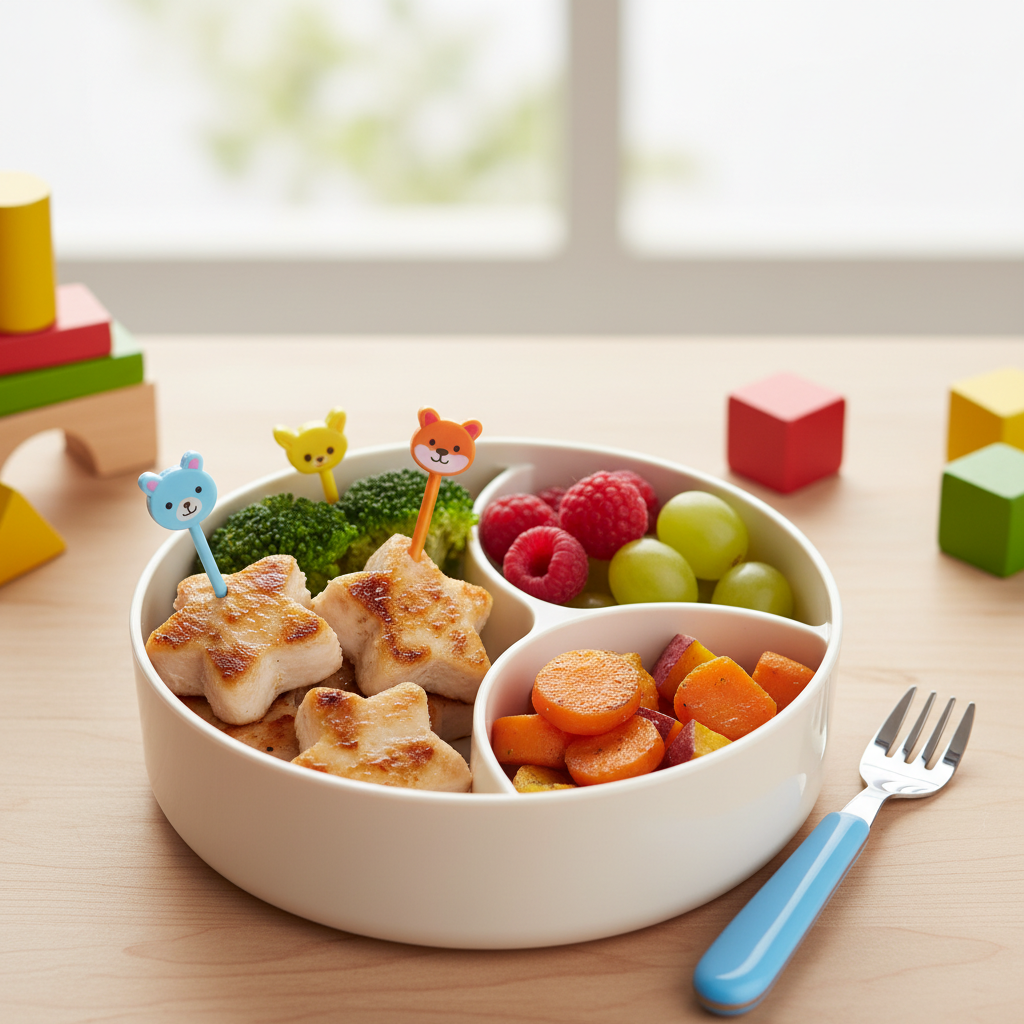
While independence is key, nutrition remains paramount. A Montessori lunch isn’t just about accessibility; it’s about providing wholesome, nourishing food that fuels your child’s growth and exploration. Aim for a balance of protein, healthy fats, carbohydrates, and plenty of fruits and vegetables. Think whole grains, lean proteins, and colorful produce. A well-nourished child is a happy, engaged child.
Example Lunch Whole wheat crackers with hummus, cucumber slices, a few berries, and a hard-boiled egg.
6. Encourage Self-Serving Skills
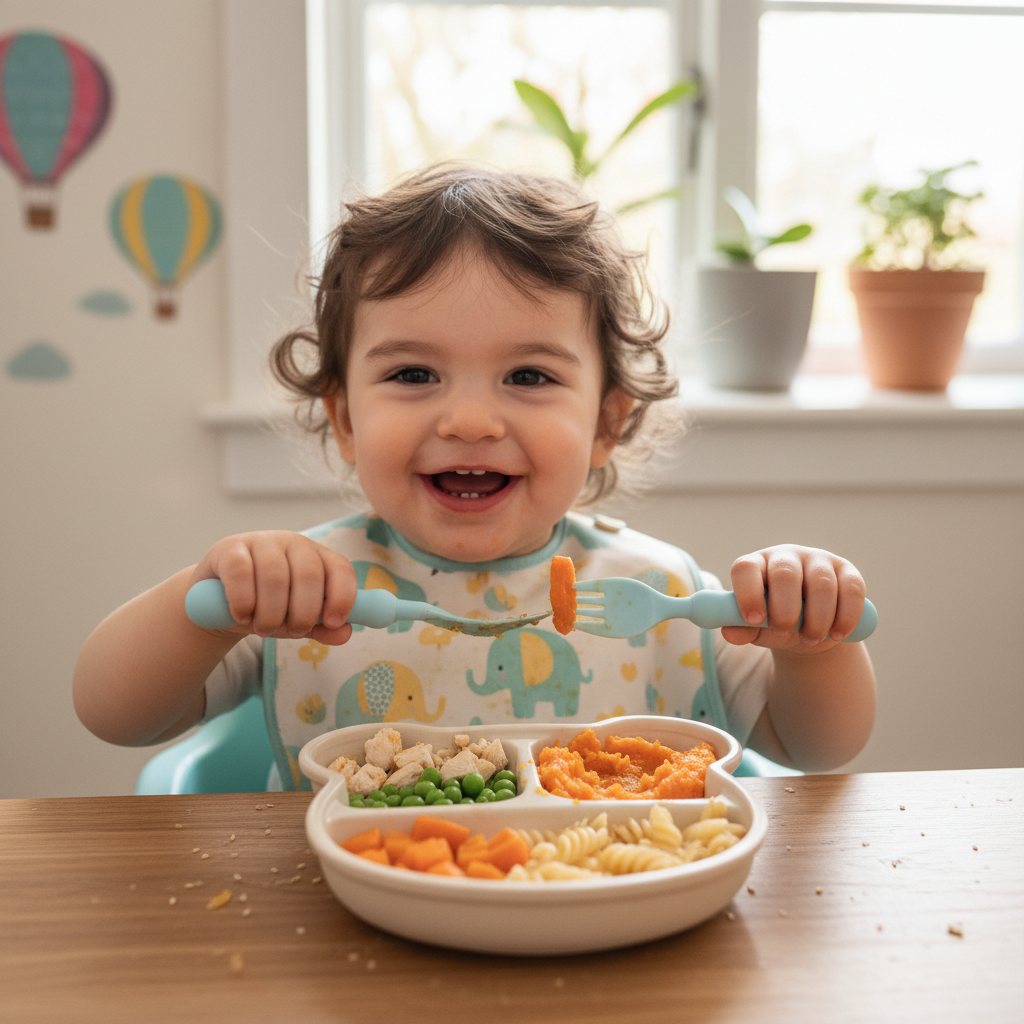
Beyond opening the box, consider how your child will actually eat the food. If small utensils are needed, ensure they are child-sized and easy to grasp. If they are practicing pouring, a small, spill-proof water bottle is ideal. The goal is to minimize the need for adult intervention during mealtime. This empowers children to manage their own eating experience, fostering concentration and practical life skills.
Gentle Reminder Accidents happen! A spilled drink or dropped food is a learning opportunity, not a failure. Provide a small cloth or napkin in their lunchbox for easy clean-up.
7. Create a Consistent Routine
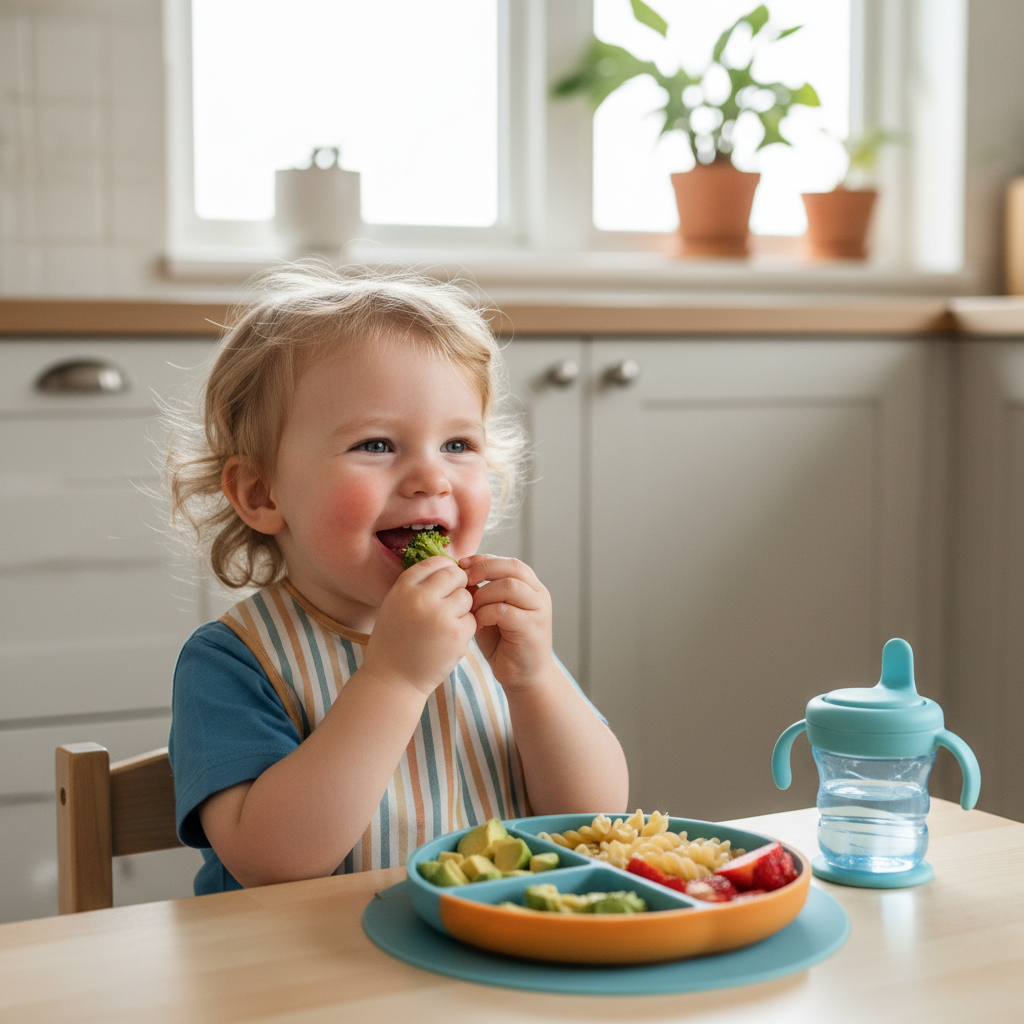
Children thrive on routine and predictability. Establishing a consistent lunch packing routine, perhaps even involving your child in a small way each day, builds anticipation and security. Whether it’s choosing their fruit or placing their sandwich in the box, a predictable rhythm helps them internalize the process and feel more in control. Consistency reinforces the message that they are capable and trusted.
Building independence takes time and patience. There will be days when it feels like a struggle, and that’s perfectly normal. Remember, each small step you take to empower your toddler through lunch packing is a significant investment in their self-confidence and practical life skills. Embrace the journey, celebrate the small victories, and watch your little one flourish into an independent eater.
By implementing these Montessori-inspired tips, you’re not just packing a meal; you’re cultivating a sense of agency, competence, and joy around food that will benefit your child for years to come. Happy packing!