8 Grandparent Habits That Secretly Affect Toddlers (And How to Handle Them)
8 Grandparent Habits That Secretly Affect Toddlers (And How to Handle Them)
Grandparents hold a special place in our hearts and in our children’s lives. Their love, wisdom, and boundless affection are truly invaluable. They often bring a unique brand of joy and a sense of history to our families. However, sometimes, even with the best intentions, certain grandparent habits can subtly impact toddlers, creating unexpected challenges for both children and parents.
As parents, we want to honor the bond between our children and their grandparents while also ensuring consistency, healthy routines, and alignment with our parenting values. This article will explore eight common grandparent habits that might secretly affect your toddler and offer gentle, empathetic strategies for navigating these situations with grace and understanding.
Understanding the Grandparent-Toddler Dynamic

The relationship between a toddler and their grandparents is often one of pure adoration and comfort. Grandparents, having raised their own children, often feel a renewed sense of joy and freedom in this role, sometimes leading to a more relaxed approach than parents might take. This difference in approach, while often harmless, can sometimes create minor disruptions or confusion for a developing toddler who thrives on routine and clear boundaries. The key is finding a balance that respects everyone’s role and prioritizes the child’s well-being.
The 8 Grandparent Habits and Their Toddler Impact
1- Too Many Treats and Sweets

Grandparents often love to shower their grandchildren with treats. While a special cookie now and then is lovely, a constant stream of sweets can secretly affect a toddler’s eating habits, energy levels, and even their dental health. It can lead to picky eating, sugar crashes, and an expectation of treats at every visit.
How to Handle It- Approach this with a gentle conversation. Explain your concerns about healthy eating and the importance of balanced nutrition for your toddler’s growth. You might suggest specific healthy snacks they can offer or even pack a bag of approved snacks for your child to have at their grandparents’ house. Frame it as working together for your child’s best health.
2- Inconsistent Rules and Boundaries

One of the most common challenges is when grandparents have different rules or boundaries than you do. For instance, allowing endless jumping on the sofa when it’s forbidden at home, or letting them stay up much later. This inconsistency can confuse toddlers, making them test limits more frequently and struggle when they return to your established routine.
How to Handle It- Have a calm, private conversation explaining why certain rules are important for your toddler’s development and behavior. You can use phrases like, “We’re really working on consistency with [rule], and it helps so much if we all follow the same guidelines.” Emphasize that a united front helps the toddler feel secure and understand expectations.
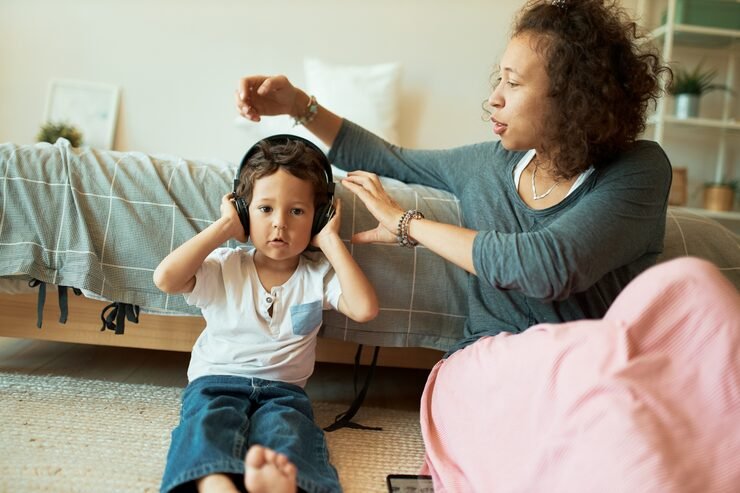
3- Unlimited Screen Time

Some grandparents might use screen time as an easy way to entertain toddlers, leading to more exposure than you prefer. Excessive screen time can secretly affect a toddler’s language development, attention span, and social interaction skills.
How to Handle It- Suggest alternative, engaging activities. You could provide a special bag of toys, books, or craft supplies for your child to enjoy at their grandparents’ house. Gently explain your family’s approach to screen time, perhaps citing recommendations from pediatric organizations, and offer to help find fun, screen-free ways to play.
4- Disregarding Nap and Bedtime Schedules

Toddlers thrive on routine, especially when it comes to sleep. If grandparents consistently let your toddler skip naps or stay up significantly past their bedtime, it can secretly affect their mood, lead to overtiredness, and disrupt their sleep patterns for days afterward.
How to Handle It- Share your toddler’s daily schedule clearly, perhaps in writing. Explain the importance of consistent sleep for their well-being and temperament. You could say, “We’ve found that when [child’s name] misses their nap, they really struggle with [behavior], so we’d be so grateful if you could stick to their sleep schedule.”
5- Sharing Food Without Checking

Grandparents might innocently offer a bite of their own food or a snack without considering potential allergies, choking hazards, or simply whether it aligns with your dietary preferences. This can secretly affect a toddler’s safety and introduce unhealthy eating habits.
How to Handle It- Provide a clear list of any allergies or foods to avoid. Pack your toddler’s meals and snacks, or discuss appropriate options beforehand. Explain that you’re very careful about what your toddler eats for health and safety reasons, and you appreciate their help in keeping your little one safe.
6- Constant Comparisons or Old-School Advice

Sometimes grandparents might compare your toddler to other children or share unsolicited parenting advice based on how things were done ‘in their day.’ While often well-meaning, this can secretly affect a parent’s confidence and make them feel judged or undermined.
How to Handle It- Acknowledge their experience and wisdom, then gently assert your own parenting choices. You might say, “Thank you for sharing that; it’s interesting how things have changed. We’ve chosen to do [your method] because we feel it works best for [child’s name] and our family right now.” Validate their love while reinforcing your approach.
7- Overwhelming with Too Many Toys

Grandparents often express their love through gifts, especially toys. While generous, an influx of too many toys can secretly affect a toddler by creating clutter, making it harder for them to focus on imaginative play, and potentially reducing their appreciation for what they have.
How to Handle It- Suggest alternative gifts like experiences (a trip to the zoo, a playdate), contributions to a savings fund, or consumables like art supplies or books. You could also gently explain that you rotate toys at home and would be happy to store new toys for future rotation or donate some to charity.
8- Unintentionally Undermining Parental Authority

This can be the most challenging habit. It might look like a grandparent saying, “Oh, just one more cookie, your mom won’t mind,” or openly disagreeing with your discipline in front of the child. This secretly affects a toddler by teaching them that parental rules are flexible and can be bypassed, leading to confusion and behavioral challenges.
How to Handle It- Address this privately and directly, but kindly. Emphasize the importance of presenting a united front for the child’s security and respect for both parents. You might say, “It’s really important for [child’s name] to see us as a team. When we disagree in front of them, it makes it harder for them to understand boundaries.”
Gentle Ways to Communicate Your Needs

Communicating these concerns doesn’t have to be confrontational. Here are some tips for fostering understanding and cooperation:
- Choose the Right Time- Discuss sensitive topics when you’re both calm, not in the heat of the moment or in front of your toddler.
- Use ‘I’ Statements- Frame your concerns around your feelings and observations, e.g., “I feel worried when…” or “I’ve noticed that…” rather than accusatory ‘you’ statements.
- Focus on the Child’s Well-being- Explain how a specific habit affects your toddler’s behavior, sleep, or health. Grandparents usually want what’s best for their grandchild.
- Offer Solutions, Not Just Problems- Instead of just pointing out an issue, suggest a clear alternative or a way to work together.
- Be Patient and Consistent- Changing long-standing habits takes time. Be prepared to gently reiterate your preferences over time.
- Express Gratitude- Always start and end with appreciation for their love and support. Acknowledge their vital role in your child’s life.
Conclusion
The bond between grandparents and grandchildren is a treasure. While navigating different approaches can sometimes feel tricky, open, and empathetic communication is key. By understanding the subtle ways grandparent habits can affect toddlers and approaching conversations with love and respect, you can ensure a harmonious environment where everyone feels valued, and your little one thrives. Remember, you’re all on the same team, working towards the happy, healthy development of your beloved toddler.