Montessori Toys Toddlers Actually Use (No More Wasted Money)
As parents, we all want the best for our little ones. We dream of toys that spark joy, encourage learning, and keep them happily engaged. Yet, how many times have you invested in a highly-rated toy, only for it to be ignored after five minutes? The struggle is real, and the pile of unused plastic can feel overwhelming. You’re not alone in wondering if there’s a better way to choose toys that truly resonate with your toddler.
That’s where Montessori principles come in. Far from being just a classroom philosophy, Montessori offers a beautiful framework for selecting toys that toddlers genuinely use and learn from. It’s about more than just “educational” toys; it’s about providing tools that foster concentration, independence, and a deep sense of accomplishment. Say goodbye to clutter and buyer’s remorse, and hello to a playroom filled with purpose and play that lasts.
In this guide, we’ll explore the world of Montessori-inspired toys that toddlers actually gravitate towards, helping you make informed choices that bring lasting value to your child’s development and your family’s budget.
Understanding Montessori Principles for Toddlers
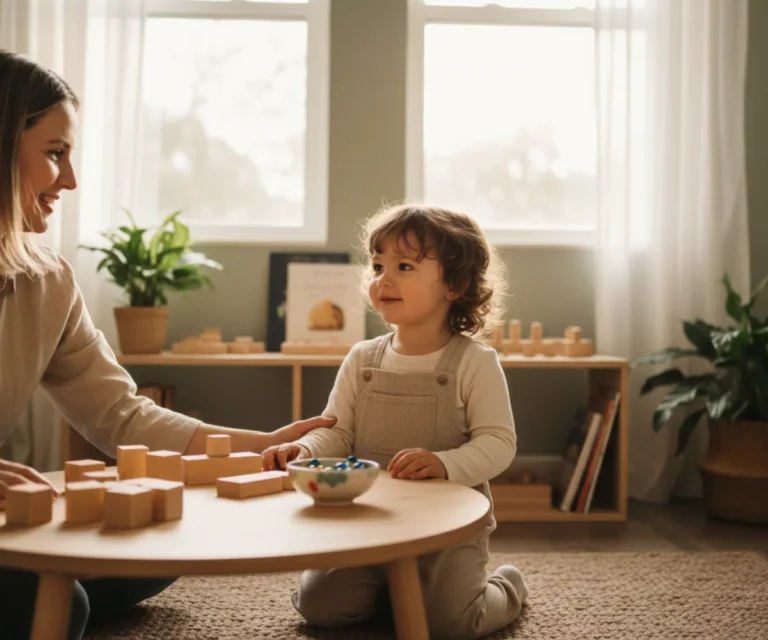
At its heart, the Montessori approach for toddlers is about respecting the child as an individual capable of great concentration and self-directed learning. It’s built on the idea that children learn best through hands-on exploration and discovery, especially when given the freedom to choose activities that interest them. For toys, this means a few core principles that guide their selection and use:
- Purposeful Play Every Montessori material has a specific learning objective, often focusing on isolating one skill at a time. This allows the child to master concepts without distraction.
- Real-World Connection Montessori toys often mimic real-life activities, encouraging practical life skills and helping children feel competent in their environment.
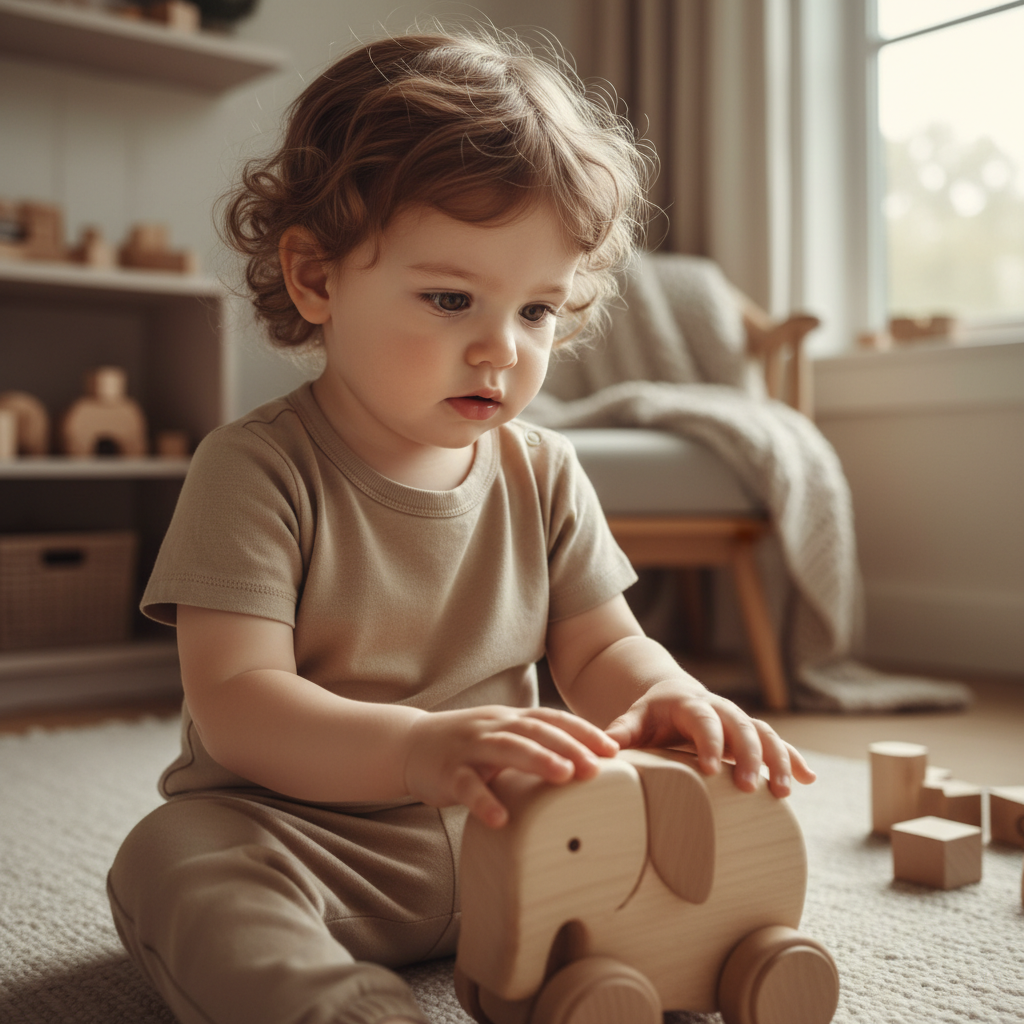
- Natural Materials Wood, metal, glass, and fabric are preferred over plastic, offering varied sensory experiences that are rich and authentic to the child’s developing senses.
- Simplicity and Order Toys are typically simple, uncluttered, and often presented in an organized way, which helps a child focus and understand the purpose of each item.
- Child-Led Exploration The child chooses their activity and works at their own pace, fostering a deep sense of independence and self-motivation.
When a toy aligns with these principles, it’s far more likely to captivate your toddler’s attention and support their natural developmental urges for discovery and mastery.
Why Traditional Toys Often Miss the Mark
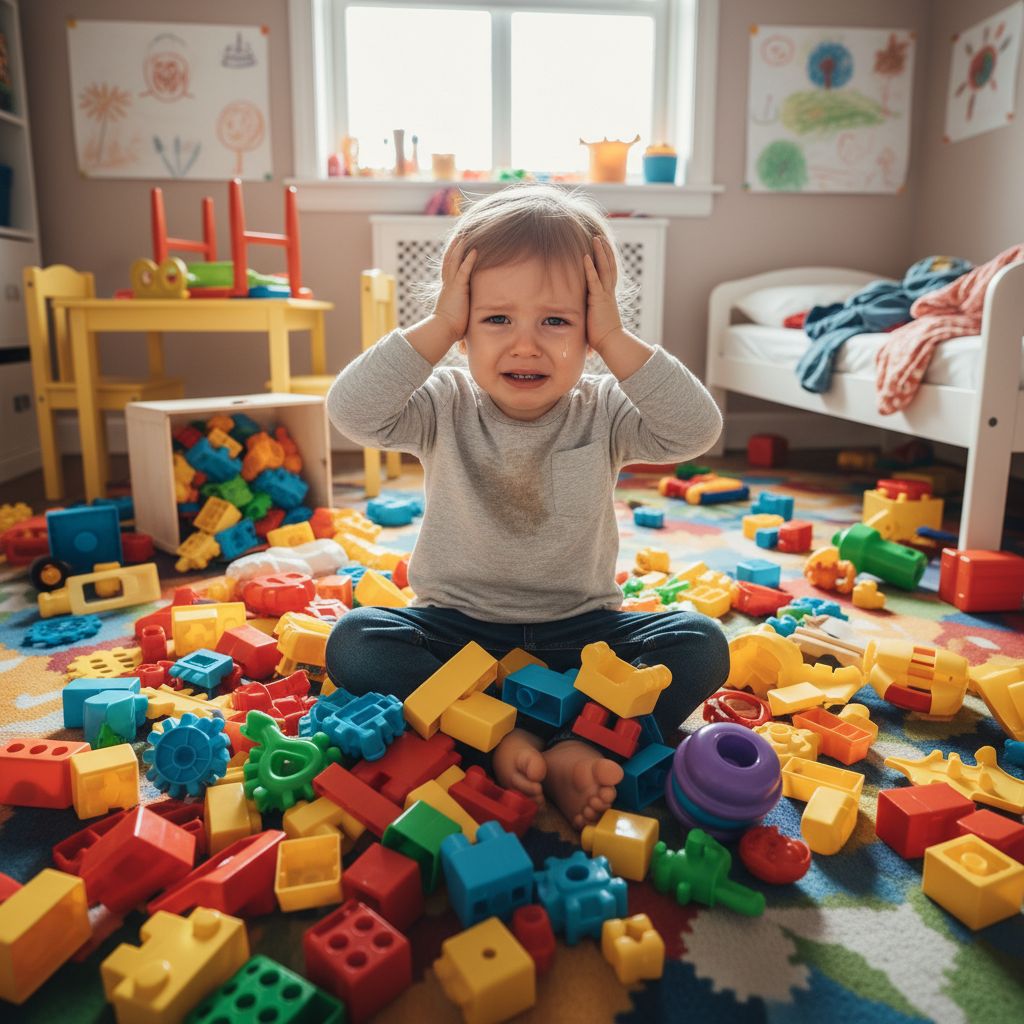
We’ve all been there- a birthday or holiday brings a deluge of new toys, many of which promise endless entertainment. Yet, often these toys fall short of truly engaging our little ones. Why do so many traditional toys miss the mark and end up gathering dust?
- Overstimulation Toys with flashing lights, loud sounds, and multiple functions can easily overwhelm a toddler’s developing brain. This sensory overload often leads to short attention spans and a lack of deep engagement.
- Lack of Challenge or Purpose Many toys “do everything” for the child, leaving little room for problem-solving, creative thinking, or imaginative play. If a toy doesn’t require active participation, a child quickly loses interest.
- Short Lifespan Trendy, plastic toys are often designed for fleeting appeal. Children quickly outgrow them or simply get bored once the initial novelty wears off, leading to a constant cycle of buying and discarding.
- Passive Engagement Instead of actively manipulating, experimenting, and discovering, children might passively watch or listen to a toy. This limits their active learning and the development of crucial cognitive and motor skills.
Understanding these common pitfalls helps us appreciate why a more intentional and thoughtful approach to toy selection, like the Montessori method, can make such a profound difference in a child’s play and development.
Key Characteristics of Effective Montessori Toys
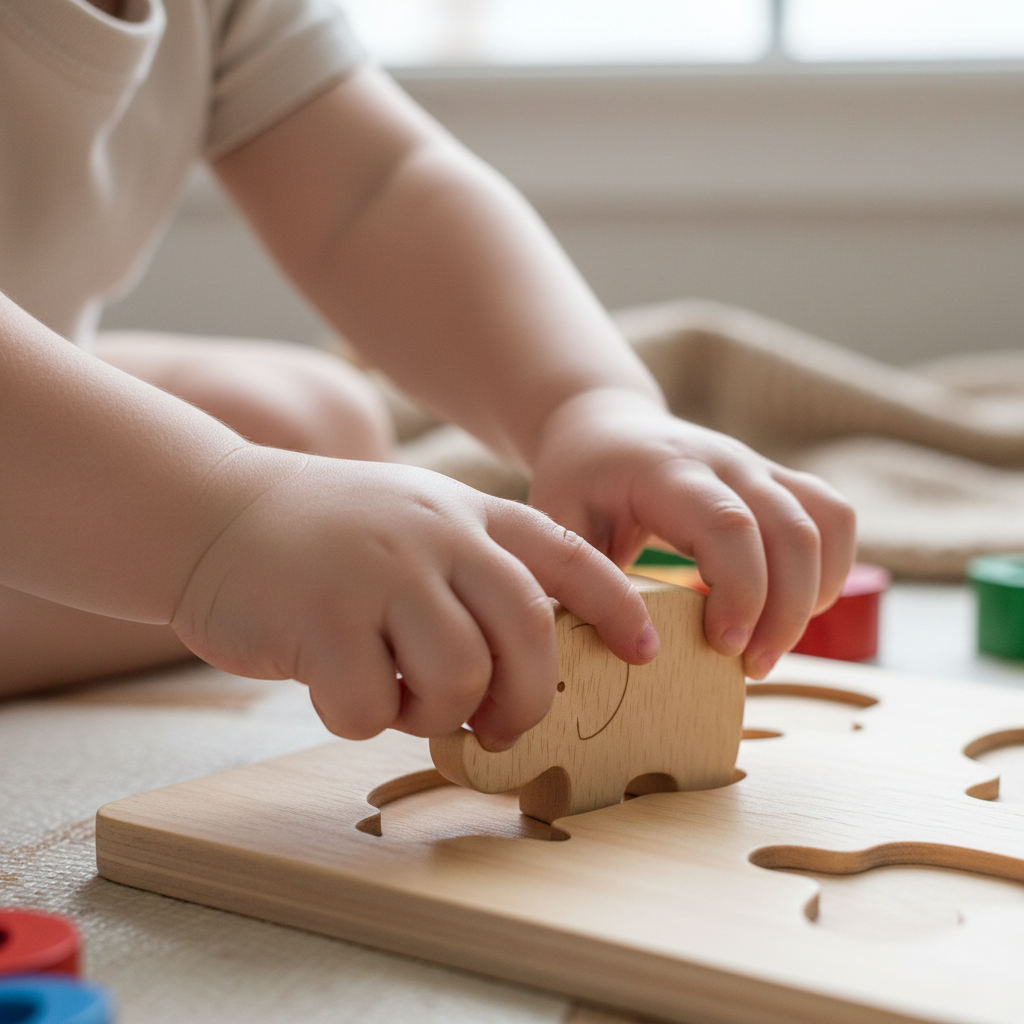
So, what exactly makes a toy “Montessori-friendly” and, more importantly, genuinely engaging and useful for a toddler? When you’re looking to make a purchase, keep these qualities in mind:
- Single-Skill Focus A good Montessori toy isolates one concept or skill, like stacking by size, sorting by color, or practicing a specific fine motor movement. This allows the child to concentrate deeply on that one task without distraction, leading to mastery.
- Natural and Tactile Materials Toys made from wood, metal, glass, or natural fabrics provide rich sensory feedback. They feel good in the hand, have varying weights, and often make satisfying, natural sounds, enriching the child’s tactile and auditory experiences.
- Purposeful Design Each part of the toy serves a clear function. There are no unnecessary bells and whistles. The toy itself often provides immediate feedback, allowing the child to self-correct mistakes and learn independently.
- Aesthetic Appeal Simple, beautiful designs without cartoon characters or garish, bright colors are calming and inviting. This visual order encourages focus and appreciation for natural beauty.
- Durability and Quality These toys are often built to last, meant to be handled repeatedly, explored thoroughly, and even passed down through generations. This reflects a sustainable approach to play.
Choosing toys with these characteristics is a wonderful way to invest in your child’s long-term development, offering them tools for genuine engagement and learning.
Montessori Toys Toddlers Actually Use- Our Top Picks
Ready to build a collection of toys that truly engage your little one and support their growth? Here are some categories and examples of Montessori toys that consistently capture a toddler’s attention and foster meaningful development.
Practical Life Skills
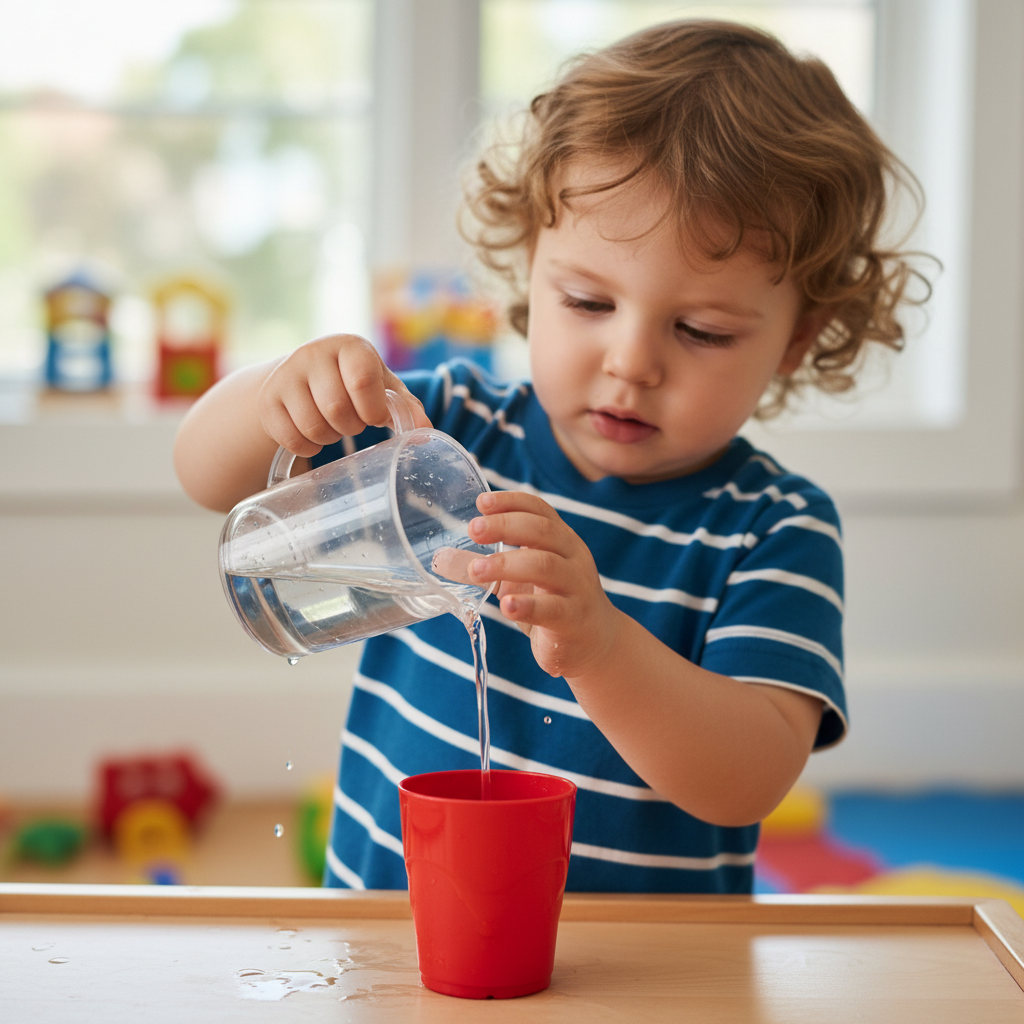
These activities mimic everyday tasks that adults perform, and toddlers are naturally drawn to them because they crave independence and a sense of belonging. By engaging with practical life materials, children develop coordination, concentration, and a sense of order. Imagine the pride in their eyes as they successfully pour water from a small pitcher without spilling, or carefully scoop beans from one bowl to another. These aren’t just games; they’re foundational steps towards self-sufficiency and confidence.
- Pouring and Scooping Sets Small pitchers, bowls, and scoops for transferring dry goods (like beans, rice, or pasta) or water. This simple act hones fine motor control and hand-eye coordination.
- Dressing Frames Simple frames with zippers, buttons, snaps, or buckles to practice fastening clothes. These help toddlers master essential self-care skills, preparing them for independent dressing.
- Cleaning Tools Child-sized brooms, dustpans, and spray bottles for helping around the house. Involving toddlers in household chores instills responsibility and a feeling of contribution, making them feel like an important part of the family unit.
Sensory Exploration
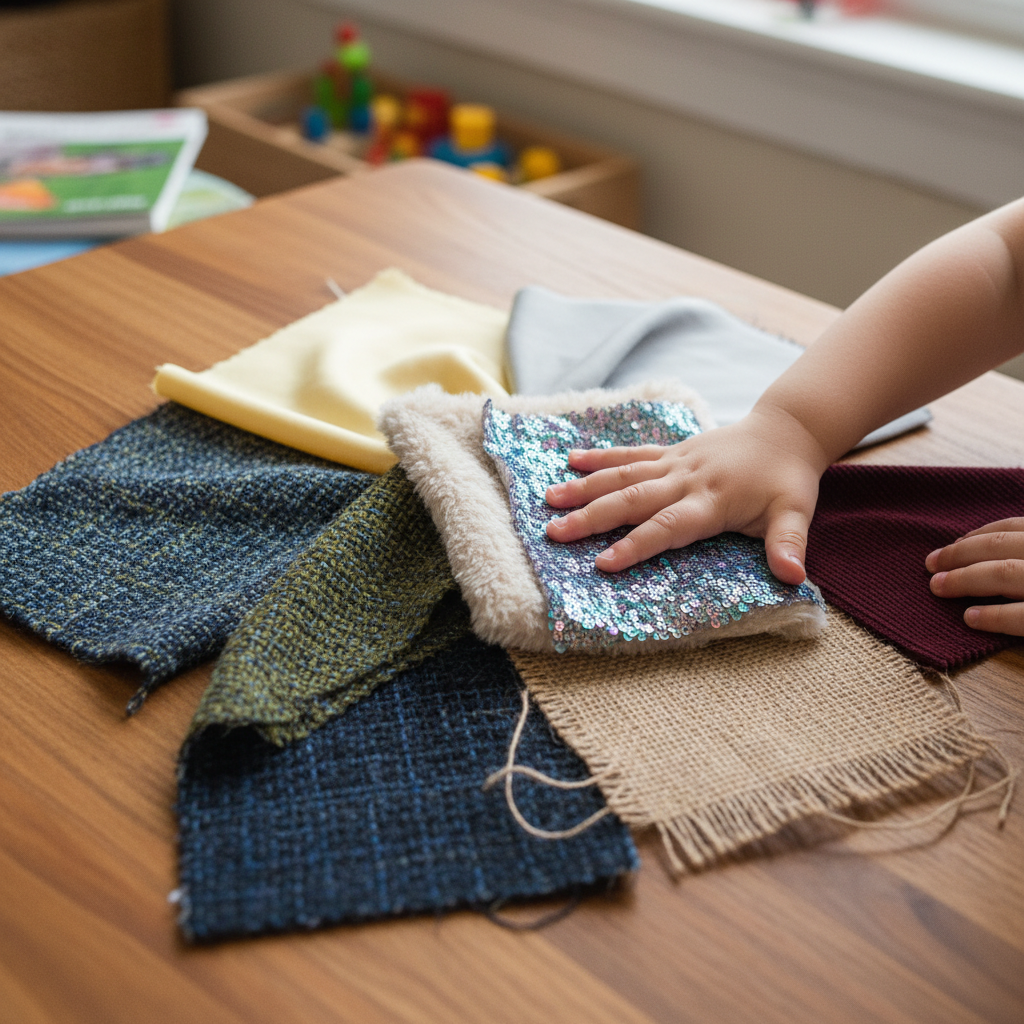
Toddlers learn primarily through their senses, and these toys encourage exploration of sight, touch, sound, and sometimes even smell. Providing varied sensory input helps them understand the world around them and refine their perceptive abilities.
- Object Permanence Box A box where a ball disappears and reappears, teaching cause and effect and the concept that objects still exist even when unseen.
- Texture Baskets or Boards Collections of items with different textures (smooth, rough, soft, hard, bumpy) for tactile exploration. This enhances sensory discrimination and vocabulary.
- Sound Cylinders Matching pairs of cylinders that make different sounds when shaken. This develops auditory discrimination and memory.
Language Development
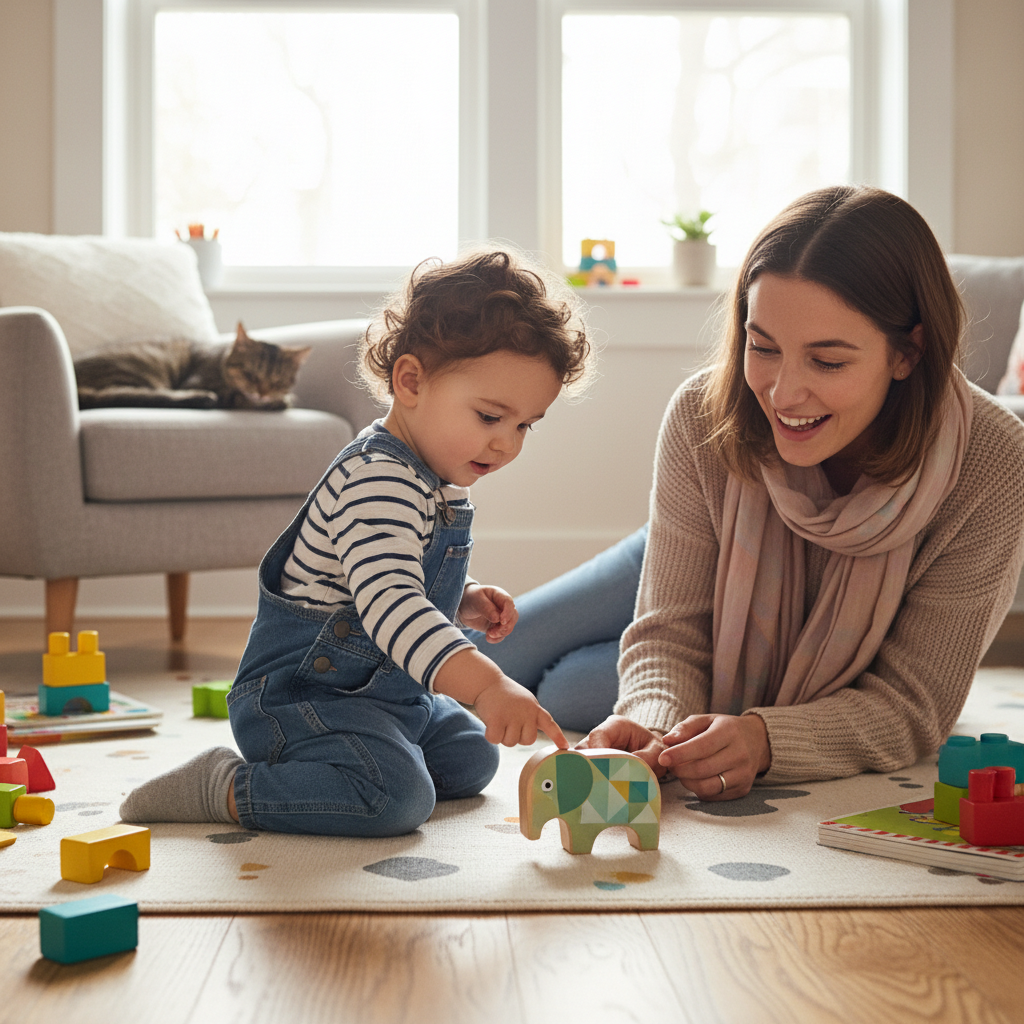
These toys support vocabulary building, classification, and understanding the world around them, laying crucial groundwork for communication and literacy. Engaging with these materials helps children connect words to real-world objects and concepts.
- Animal Figures Realistic miniature animals for sorting, matching, and naming. This builds vocabulary and helps children categorize living things.
- Nomenclature Cards (3-Part Cards) Pictures with labels for matching and learning new words (e.g., parts of a flower, types of transport). These are excellent for expanding vocabulary and early reading skills.
- Story Baskets A collection of items related to a simple story or theme to spark imaginative storytelling and verbal expression.
Fine Motor Skills and Problem Solving
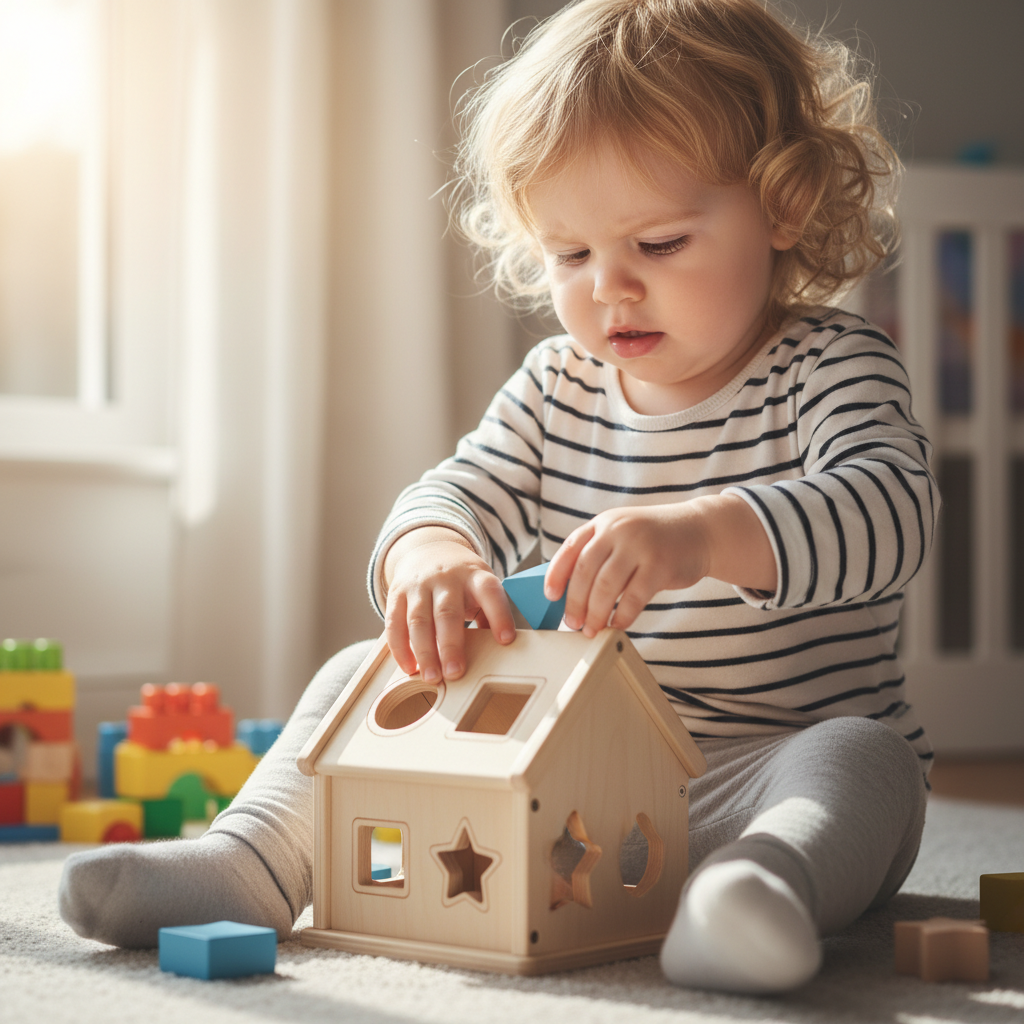
These activities are designed to refine small muscle movements in the hands and fingers, which are essential for writing and self-care. They also encourage logical thinking, spatial reasoning, and persistence as toddlers work through challenges.
- Shape Sorters Simple wooden sorters with basic geometric shapes. These help children learn about shapes and develop spatial awareness.
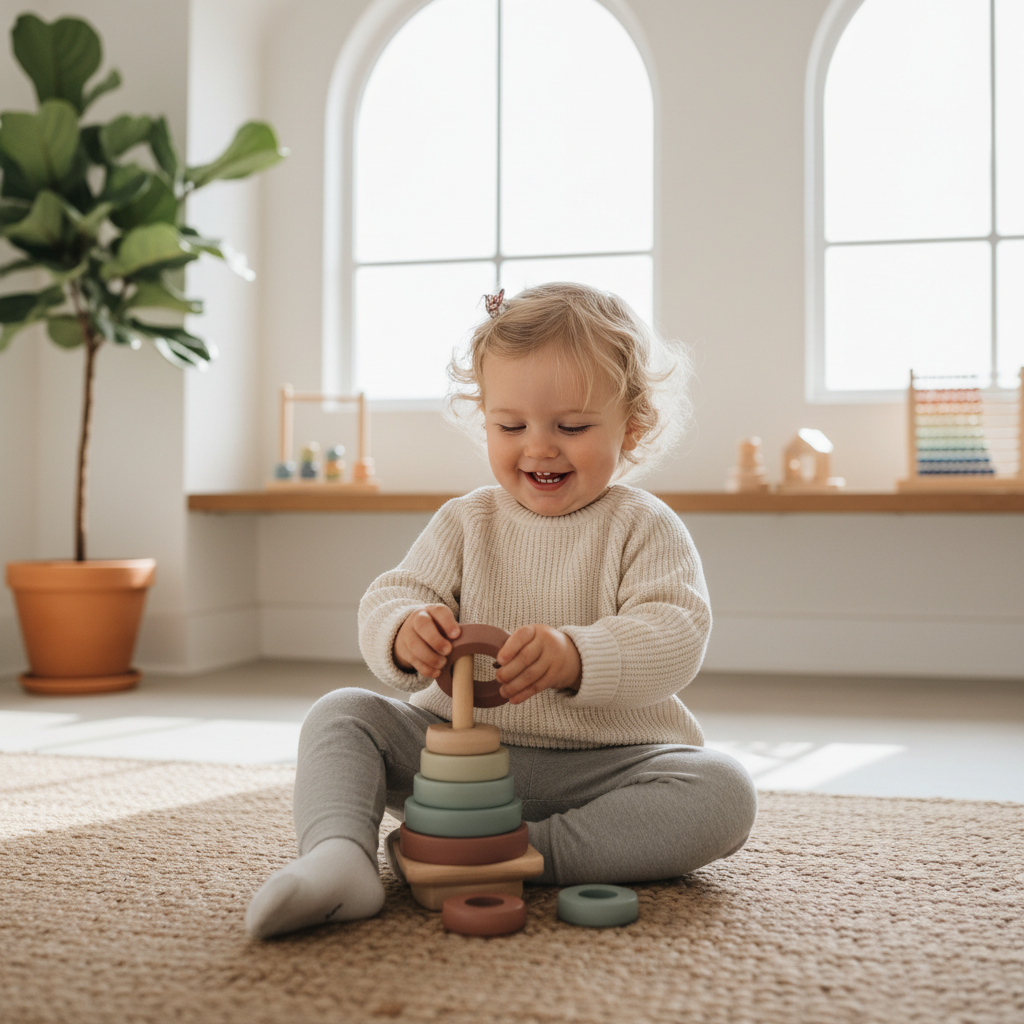
- Stacking Rings or Blocks Wooden rings or blocks of varying sizes to stack in order. This activity refines hand-eye coordination, understanding of size, and sequencing.
- Puzzles Simple knob puzzles (1-5 pieces) or progressively more complex wooden puzzles. Puzzles are fantastic for problem-solving, spatial reasoning, and fine motor control.
- Bead Stringing Large wooden beads and laces for developing hand-eye coordination, concentration, and patterns.
Making the Most of Montessori Toys- Tips for Parents
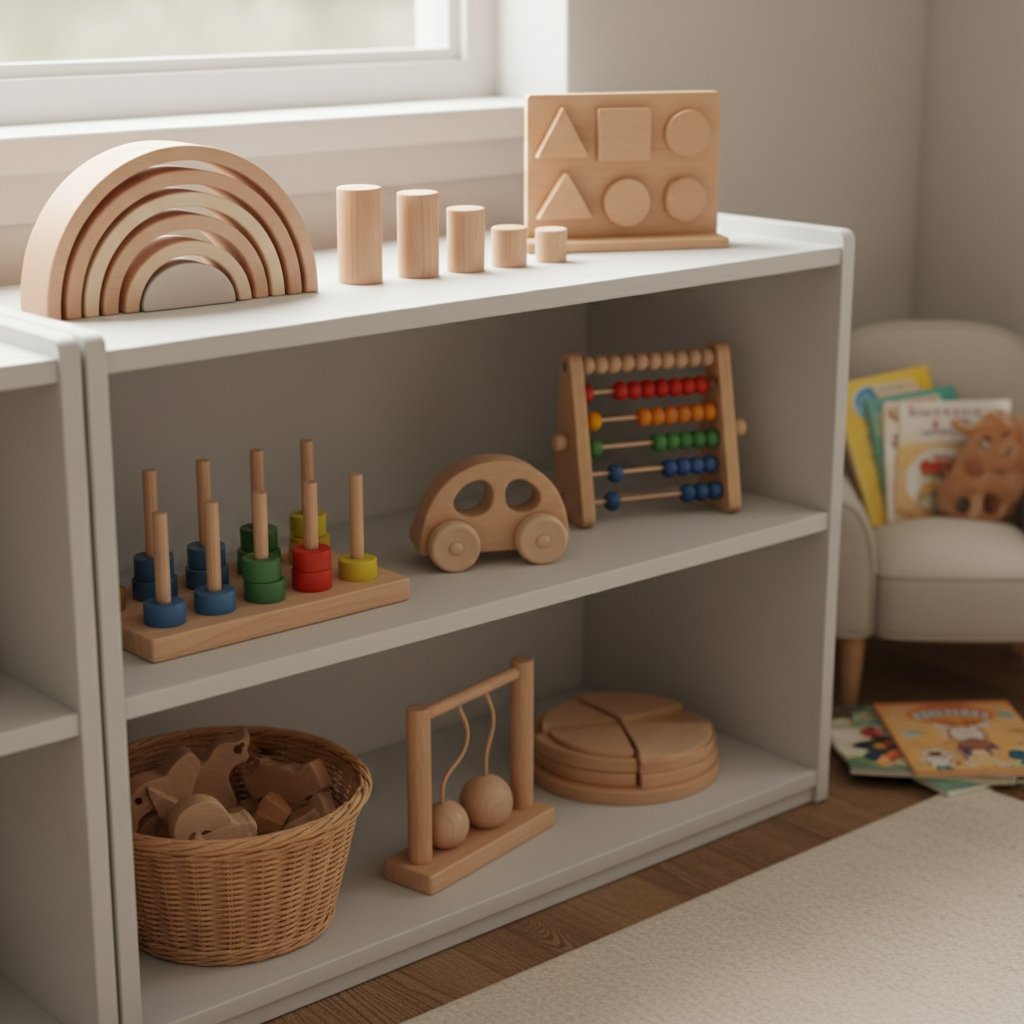
Having the right toys is just one part of the equation. How you present these materials and interact with your child during playtime makes all the difference in fostering a truly Montessori-inspired environment:
- Observe Your Child Pay close attention to what genuinely interests your toddler. Their current developmental stage, natural curiosities, and emerging passions are your best guide for choosing and presenting activities.
- Rotate Toys Regularly Instead of overwhelming them with everything at once, offer a limited selection (perhaps 4-6 items) on low, accessible shelves. Rotate toys every week or two to keep things fresh and exciting, preventing boredom and encouraging deeper engagement with fewer items.
- Create an Inviting Space Designate a special area for play that is tidy, accessible, and free from excessive clutter or distractions. A calm, organized environment encourages focus and independent exploration.
- Demonstrate, Then Step Back When introducing a new toy, show your child how to use it slowly and deliberately, without talking too much. Then, allow them to explore independently. Resist the urge to interrupt, correct, or “fix” their work; allow them the joy of discovery.
- Embrace Repetition Toddlers learn through repetition. Don’t be surprised or concerned if they want to do the same activity over and over again. This is how they master skills, build concentration, and solidify their understanding.
- Focus on the Process, Not Just the Product Celebrate your child’s effort, concentration, and persistence, rather than just whether they completed the task perfectly. The journey of learning is more important than the outcome.
Choosing toys that truly engage your toddler and foster their development doesn’t have to be a guessing game or a drain on your wallet. By understanding Montessori principles and selecting toys that are simple, purposeful, and made from natural materials, you can create an environment where your child thrives.
Remember, the goal isn’t to perfectly replicate a Montessori classroom, but to bring elements of its thoughtful approach into your home. Watch your toddler’s eyes light up as they discover the joy of purposeful play, build confidence, and develop crucial skills. Invest in toys they’ll actually use, and you’ll be investing in their growth, independence, and a calmer, more joyful home.