Nutrition for Kids: Building Strong Bodies With Smart Choices
Good nutrition is the foundation of a child’s healthy growth. Kids need balanced meals packed with vitamins, minerals, energy, and hydration to support their active bodies and developing brains. When children learn healthy eating habits early, they build strong bodies, sharper minds, and better lifelong wellness.
Here’s a simple, practical guide to help parents make smart food choices that keep kids nourished, energized, and thriving.
Why Good Nutrition Matters for Growing Kids
Children grow rapidly — physically, mentally, and emotionally. Nutritious foods help:
- Build strong bones and muscles
- Support brain development
- Strengthen immunity
- Improve focus and learning
- Maintain steady energy levels
- Establish healthy lifelong habits
The right nutrition sets the stage for confident, active kids.
Balanced Meals: What Should a Kid’s Plate Look Like?
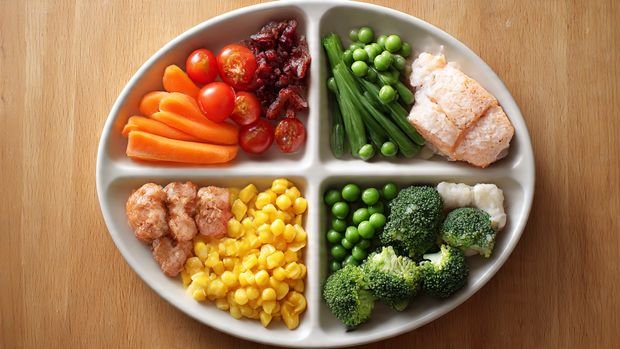
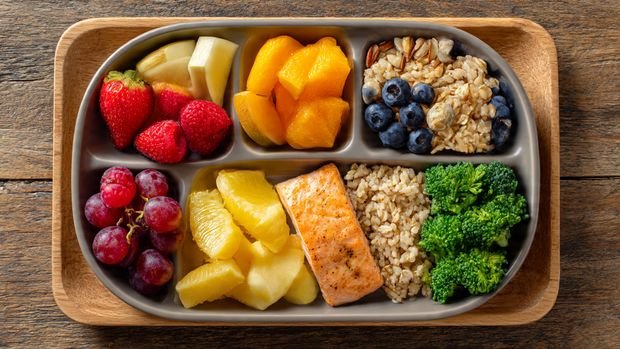
A healthy plate generally includes:
- Vegetables & fruits: vitamins, fiber, immunity support
- Whole grains: long-lasting energy
- Protein: growth, tissue repair, muscle development
- Healthy fats: brain and hormone development
- Calcium-rich foods: strong bones and teeth
Colorful plates = balanced nutrition.
Smart Breakfast Ideas to Start the Day Strong
Breakfast fuels learning and play.
Try options like:
- Oatmeal with fruit
- Whole-wheat toast with peanut butter
- Eggs with veggies
- Yogurt with nuts or granola
- Smoothies with milk, bananas, and spinach
A nutritious breakfast helps kids stay focused and active.
Healthy Snacks That Keep Kids Energized

Snacks can be nutritious — they don’t have to be sugary or processed.
Great choices include:
- Apple slices with nut butter
- Yogurt with honey
- Whole-grain crackers
- Boiled eggs
- Veggie sticks with hummus
- Homemade trail mix
Balanced snacks prevent energy crashes.
Hydration: More Important Than You Think
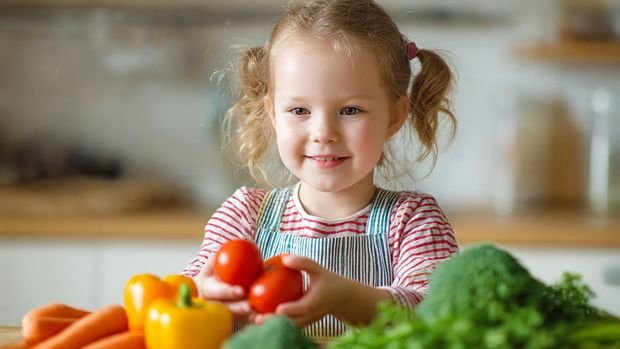
Kids need plenty of fluids for digestion, energy, and concentration.
Best options:
- Water
- Milk
- Coconut water
- Fresh fruit smoothies
Limit sugary drinks like soda and packaged juices.
The Power of Fruits & Vegetables

Fruits and veggies help fight illness and support growth.
Encourage variety by letting kids choose colors:
- Red: tomatoes, strawberries
- Green: spinach, cucumbers
- Orange: carrots, oranges
- Purple: grapes, beets
- Yellow: mangoes, corn
A rainbow plate brings a rainbow of nutrients.
Proteins That Build Strong Bodies
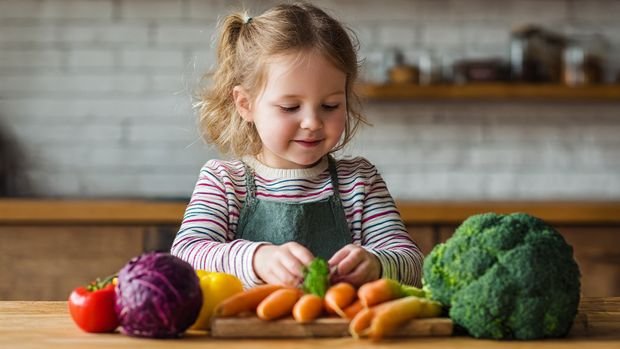
Protein is essential for muscle and tissue development.
Kid-friendly options:
- Chicken
- Fish
- Eggs
- Lentils
- Beans
- Tofu
- Greek yogurt
- Nuts & seeds
Aim for protein in most meals and snacks.
Whole Grains for Long-Lasting Energy
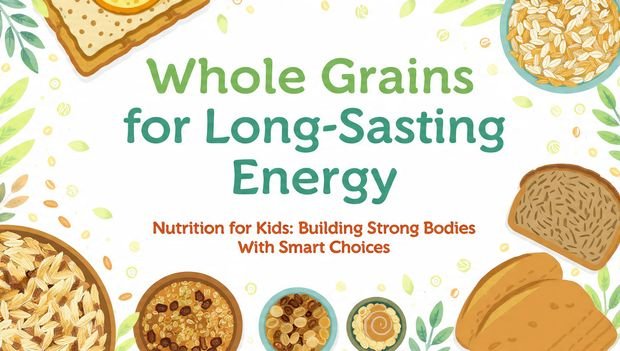
Whole grains keep kids full and focused.
Try:
- Whole-wheat bread
- Brown rice
- Oats
- Quinoa
- Whole-grain pasta
These foods support digestive health and stable energy.
Healthy Fats That Boost Brain Power
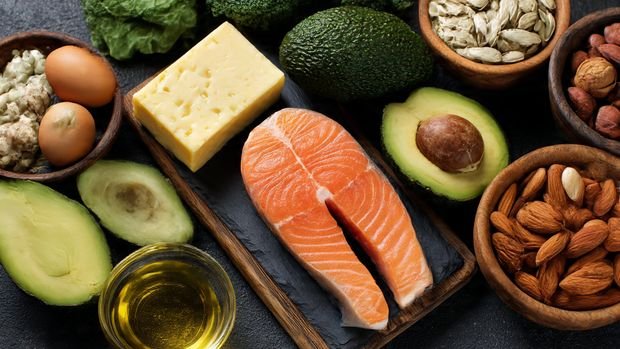
Good fats are essential for memory, concentration, and brain growth.
Healthy fat sources include:
- Avocados
- Olive oil
- Nuts
- Seeds
- Fatty fish like salmon
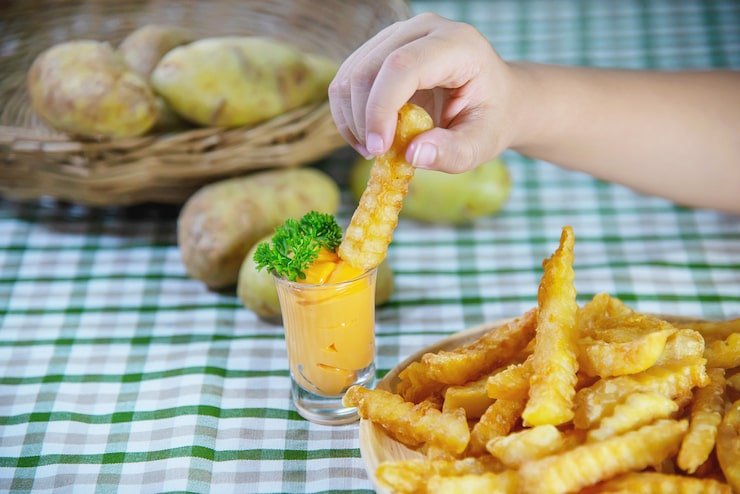
Avoid trans fats and overly processed fried foods.
Calcium and Vitamin D for Strong Bones
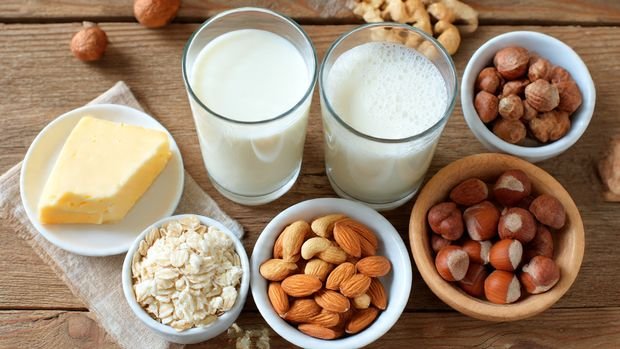
Growing kids need extra support for bone development.
Sources include:
- Milk, cheese, yogurt
- Leafy greens
- Fortified cereals
- Eggs
- Sunlight (for Vitamin D)
Combine calcium with Vitamin D for best absorption.
Limit Sugar Without Taking Away All the Fun

Too much sugar can affect energy, mood, and weight.
Aim for balanced alternatives:
- Fresh fruit instead of candy
- Homemade juices instead of packaged
- Yogurt instead of ice cream (sometimes!)
Teaching moderation is key — not restriction.
Make Mealtimes Enjoyable, Not Stressful
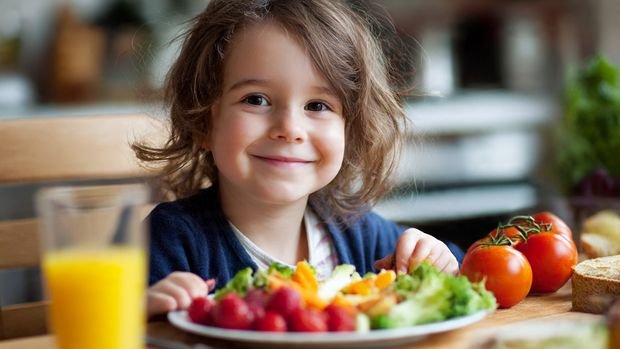
Kids eat better when meals feel relaxed.
Try:
- Eating together as a family
- Serving small portions
- Letting kids help in the kitchen
- Offering choices
- Avoiding pressure to “finish everything”
Positive mealtimes build healthy habits.
Encourage Kids to Try New Foods Slowly
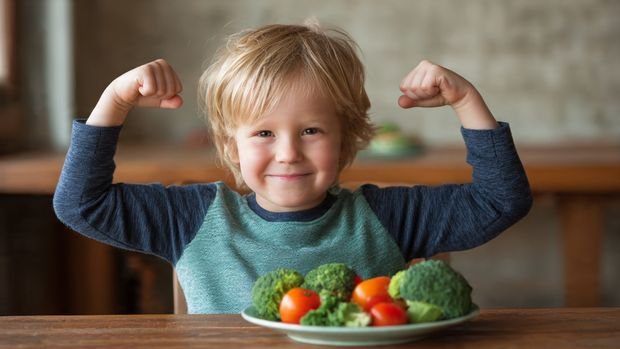
Kids may need 8–10 exposures before liking a new food.
Ways to introduce new foods:
- Mix with familiar favorites
- Offer tiny “tasting bites”
- Use fun shapes or colors
- Model trying the food yourself
Patience leads to long-term success.
Teach Kids Healthy Food Awareness
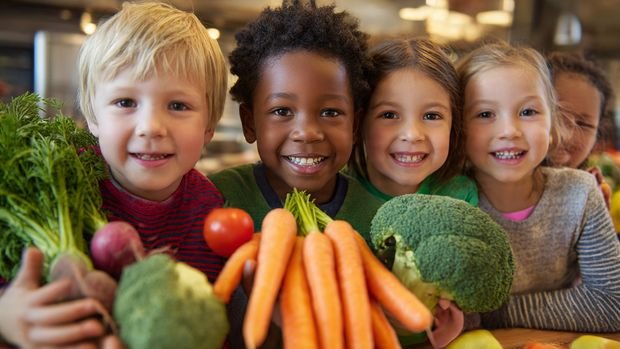
Simple conversations help kids understand nutrition.
Teach them:
- Why fruits and veggies help their body
- How protein builds muscle
- Why water is important
- How too much sugar affects energy
Knowledge empowers healthy choices.
Final Thoughts
Healthy nutrition doesn’t require complicated meals — just balanced choices, colorful plates, and mindful habits. When kids eat nourishing foods, they grow stronger, stay active, and develop sharper minds. With patience, positivity, and smart planning, you can build lifelong healthy eating habits that help your child thrive.