Free Printables for Kids to Keep Them Learning & Busy
Free printables are a parent’s secret superpower — inexpensive, instantly available, and perfect for keeping kids engaged, learning, and entertained. From tracing sheets for preschoolers to logic puzzles for older kids, printables fit every age and interest. Below is a friendly, practical guide to the best types of free printables, how to use them effectively, and creative ways to turn simple sheets into memorable learning moments.
Why Free Printables Work So Well
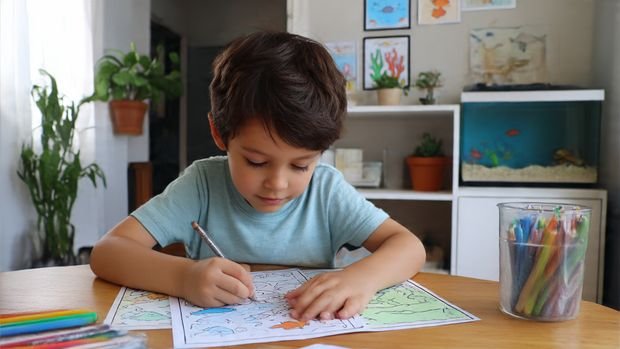
Printables are:
- Ready now: No planning, no prep beyond printing.
- Low-cost: Use basic paper and a printer (or print at a library).
- Flexible: Reuse, laminate, or adapt for different ages.
- Skill-targeted: Choose printables for letters, numbers, fine motor skills, reading, STEM, art, and more.
They’re ideal for car rides, rainy days, quiet time, or a focused learning session.
Printable Types That Cover Every Age
Here are printable ideas grouped by age and skill — pick what matches your child.
Toddlers & Preschoolers
- Alphabet tracing sheets (upper & lower case)
- Number tracing and counting pages
- Color-by-number or color-by-shape sheets
- Simple matching (animal to shadow, object to color)
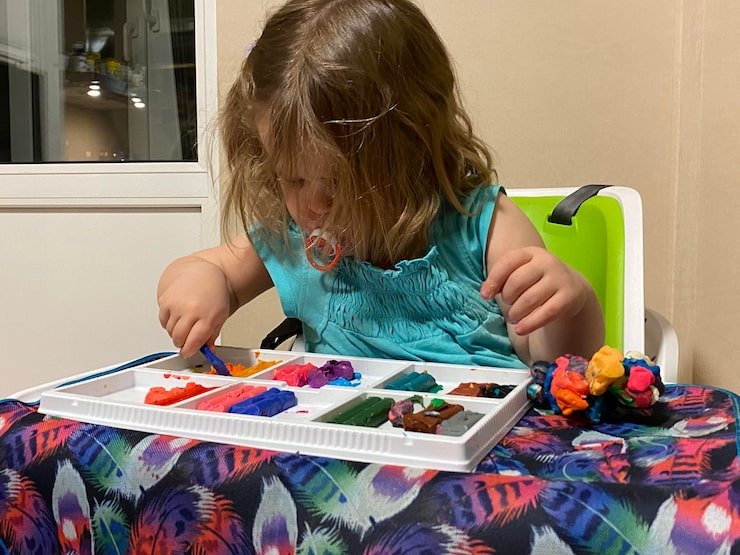
- Play-dough mats (printed shapes to fill with dough)
Early Elementary (5–7 years)
- Sight word practice cards
- Short reading comprehension sheets (1–3 sentences + question)
- Basic addition/subtraction worksheets with visuals
- Patterning and sequencing activities
- Cut-and-paste crafts and simple scissor practice
Upper Elementary (8–11 years)
- Multiplication & division drills with timed challenges
- Crossword puzzles and word searches (vocabulary, science terms)
- Logic puzzles and mazes
- Creative writing prompts and story starters
- Simple coding worksheets (algorithm sequencing)
Tweens (12+)
- Brain teasers and Sudoku
- Research project templates (note-taking worksheets)
- Graphic organizers for essays or presentations
- Financial literacy printables (budgeting basics)
- STEM challenge cards (design-build-test)
Creative Uses for Printables — Beyond the Sheet
A printed page is just the start. Try these ideas to make printables more exciting and long-lasting:
- Laminate & reuse. Use dry-erase markers on laminated tracing sheets, mazes, or math grids.
- Scavenger hunts. Turn a checklist printable into an indoor/outdoor scavenger hunt.
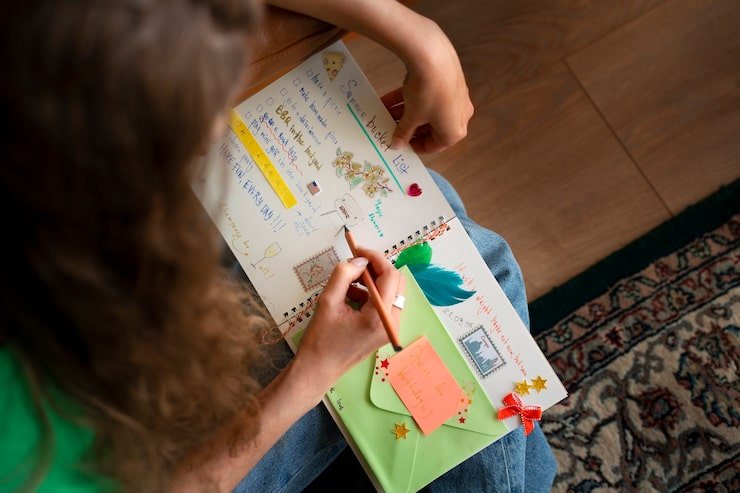
- Mini-booklets. Staple several pages to make a DIY booklet (e.g., “All About Me” or “My Science Journal”).
- Learning stations. Create themed stations: reading corner (printable stories), math table (worksheets), art station (coloring pages).
- Sticker rewards. Use sticker charts to track progress and motivate practice.
- Flashcard games. Print vocabulary or math flashcards and use them for memory, matching, or speed rounds.
- Foldable crafts. Print templates for origami, masks, paper puppets, or 3D shapes.
How to Choose Good Free Printables
Not all printables are created equal. Look for these qualities:
- Age-appropriate content — matches your child’s skill level.
- Clear instructions — simple directions so kids can work independently.
- Good layout — enough white space, large fonts for younger kids.
- Skill focus — select printables that practice one or two skills at a time.
- Printable-friendly design — avoid heavy ink pages to save printer ink.
Quick Tips for Printing & Organizing
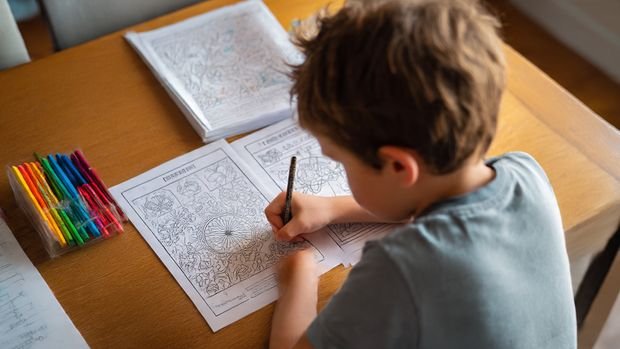
- Print double-sided for booklets or to save paper.
- Use grayscale for practice pages to save color ink; keep coloring pages in color for special treats.
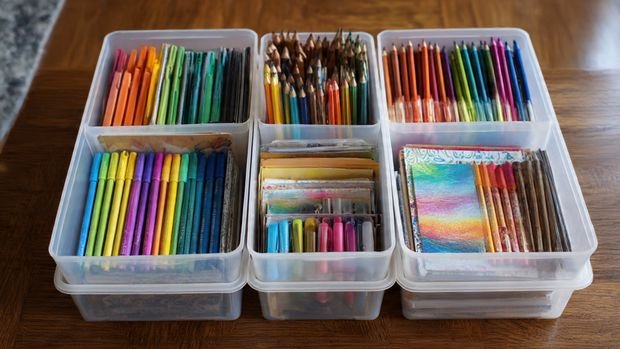
- Create a printable binder with labeled sections by subject or age.
- Store worksheets in clear plastic sleeves so you can reuse them with dry-erase pens.
- Rotate printables weekly so kids see fresh material without overwhelming choices.
Printable Activities You Can Make at Home
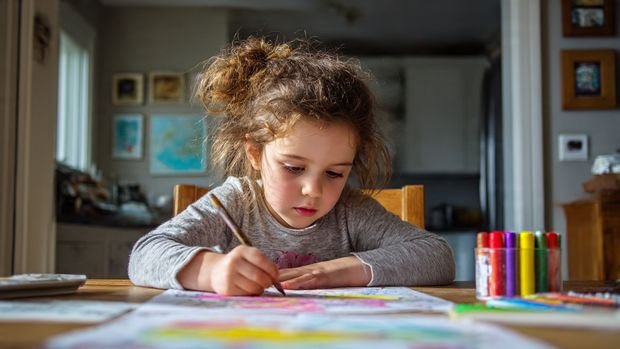
If you prefer making your own, these easy templates take minutes to set up in a document editor:
- Daily journal template: Date, 3 things I liked today, 1 thing I learned.
- Mini STEM challenge card: Problem, materials, plan, test, result.
- Reading log: Book title, pages read, favorite part, new word.
- Chore checklist: Morning / afternoon / evening tasks with smiley boxes.
- Conversation prompt cards: “Tell me about a time when…”, “If you could…”, etc.
Homemade printables let you personalize content (e.g., use your child’s name, favorite characters, or class topics).
Screen-Free Alternatives & Backup Ideas
If printing isn’t available, adapt printable ideas for screen-free use:
- Write worksheets by hand on a notebook page.
- Use chalk on pavement for hopscotch math or letter tracing.
- Make flashcards from scrap cardboard.
- Play oral versions of word searches, memory games, or storytelling prompts.
These keep learning going without a printer.
Final Thoughts
Free printables are a practical, flexible tool for keeping kids busy and learning with minimal fuss. They support literacy, numeracy, creativity, and critical thinking — and can be adapted to every child’s interests and pace. With a little organization and creativity, you’ll always have a stack of engaging activities ready for school breaks, quiet afternoons, or rainy weekends.