STEM Activities to Boost Creativity, Logic & Problem-Solving
STEM—Science, Technology, Engineering, and Mathematics—is not just about academic learning. It’s about discovery, curiosity, innovation, and building confidence through hands-on experiences. Engaging children in STEM activities helps boost creativity, strengthen logic, develop problem-solving skills, and encourage independent thinking.
The best part? STEM learning doesn’t require expensive kits. With simple household items and fun challenges, kids can experiment, explore, and learn in exciting ways.
This guide shares easy, meaningful, and enjoyable STEM activities that spark creativity and develop essential life skills.
1. Build a Paper Bridge Challenge
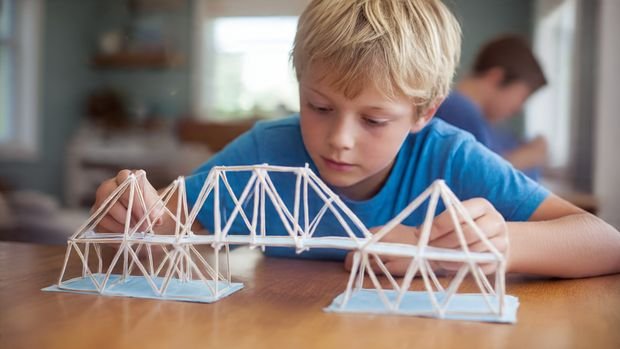
A simple yet powerful engineering activity.
How it works:
- Give kids paper sheets
- Ask them to build a bridge between two books
- Test strength using coins or small toys
Skills developed:
- Engineering thinking
- Creativity
- Weight distribution concepts
Kids experiment with folding, layering, and design to make the strongest bridge.
2. DIY Balloon Rocket Experiment
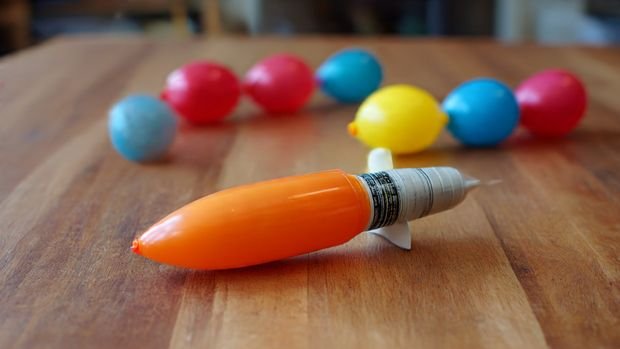
A fun physics activity that demonstrates force and motion.
You’ll need:
- Balloon
- String
- Straw
- Tape
How to do it:
- Thread string through a straw and tie it between two points.
- Blow air into the balloon (don’t tie it).
- Tape balloon to straw and release.
Kids learn how air pressure pushes the rocket forward — exciting and educational!
3. Sink or Float Science Test

A classic experiment perfect for all ages.
Steps:
- Fill a container with water
- Collect various objects (toy, spoon, leaf, ball, coin)
- Guess which will sink or float
- Test and compare
Benefits:
- Scientific thinking
- Prediction skills
- Understanding density and buoyancy
Kids learn through hands-on exploration.
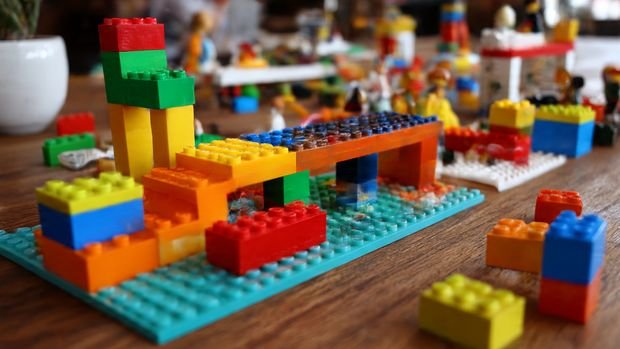
4. Lego Building Challenges
Legos are an ideal STEM tool.
Try these challenges:
- Build the tallest tower
- Create a bridge that holds weight
- Make a marble maze
- Design a mini robot or vehicle
Skills strengthened:
- Spatial reasoning
- Engineering design
- Creativity
- Problem-solving
Legos make learning both fun and structured.
5. Coding Without Screens (Unplugged Coding)

Teach logic & sequencing without computers.
Ideas:
- Create a simple “maze” on the floor
- Give kids directional commands (move 2 steps forward, turn right)
- Let them guide a toy through the maze
Helps kids understand coding concepts like sequences, patterns, and critical thinking.
6. DIY Volcano Eruption
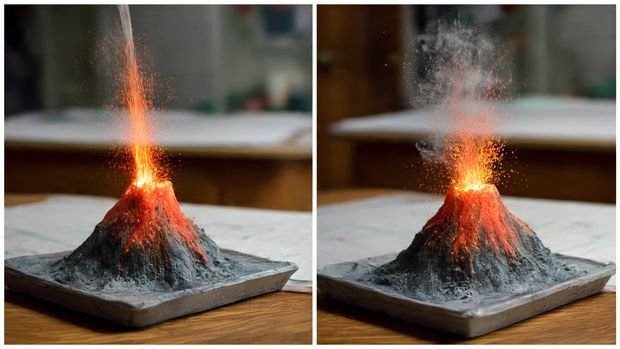
A fun chemistry experiment that kids love.
Ingredients:
- Baking soda
- Vinegar
- Dish soap
- Food coloring
Steps:
- Mix baking soda + dish soap + color.
- Pour vinegar and watch eruption!
Kids learn chemical reactions in an exciting, visual way.
7. Make a Rubber Band-Powered Car
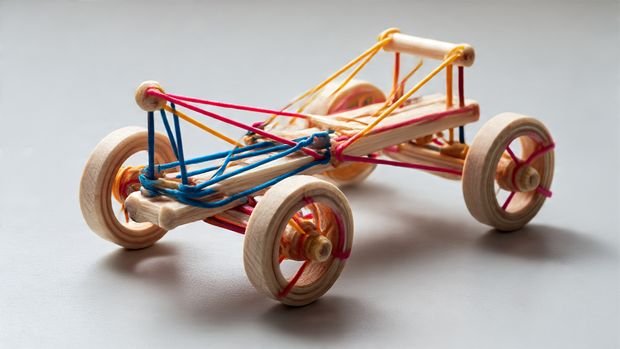
A perfect engineering challenge using recycled materials.
Materials:
- Bottle
- Rubber bands
- Straws
- Bottle caps (wheels)
Kids assemble a car and learn how stored energy creates motion.
8. Shadow & Light Experiments
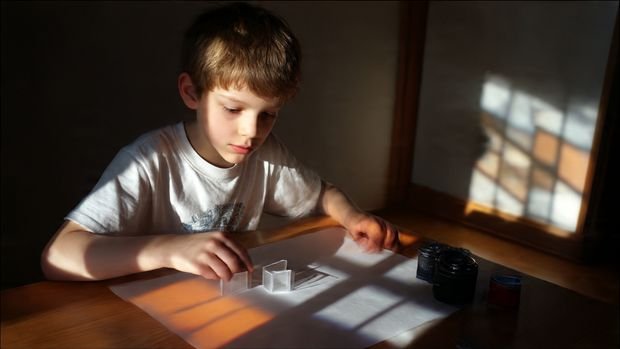
Explore science using flashlights or sunlight.
Fun experiments:
- Create shadow animals
- Measure shadow length at different times
- Use objects to see how light bends
- Make a DIY sun clock
Builds understanding of light, angles, and observation skills.
9. DIY Math Games for Quick Thinking

Turn math into playtime.
Ideas:
- Dice addition races
- Pattern-making with beads
- Shape hunts around the house
- Number card matching
Math becomes less stressful and more exciting.
10. Design Your Own Marble Run
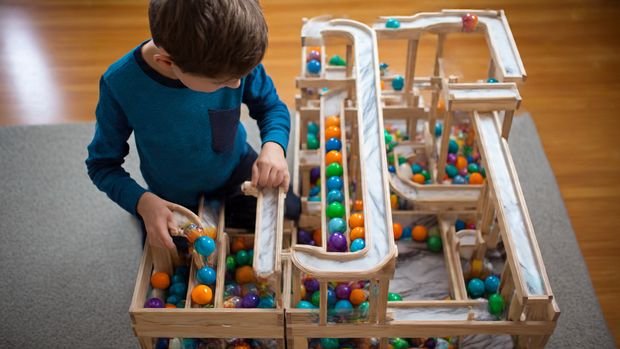
Create a marble path using cardboard tubes, straws, and boxes.
Why it works:
- Encourages engineering skills
- Enhances creativity
- Teaches trial & error
- Helps kids understand speed and motion
Endless fun — endless learning.
11. Grow Plants From Kitchen Scraps
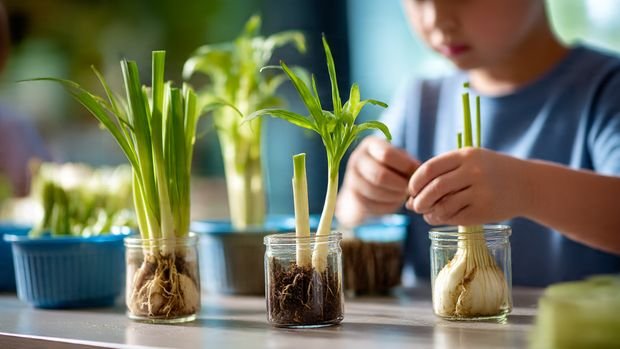
A wonderful biology activity.
Try growing:
- Potato plants
- Spring onions
- Garlic
- Carrot tops
Kids observe roots, leaves, and growth cycles — learning patience and responsibility.
12. Make a Simple Circuit
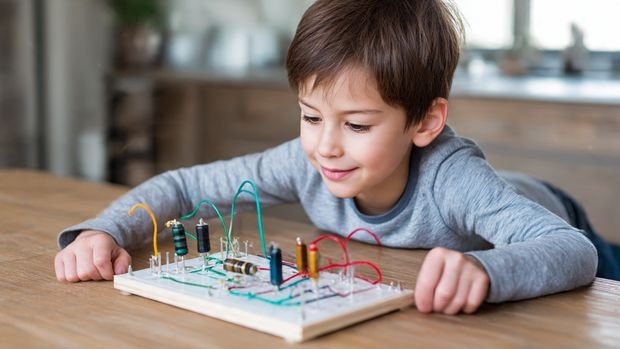
Perfect introduction to electrical concepts.
Materials:
- Battery
- LED light
- Wires
Kids learn how electricity flows and how circuits work — safely and simply.
13. Float a Boat Challenge
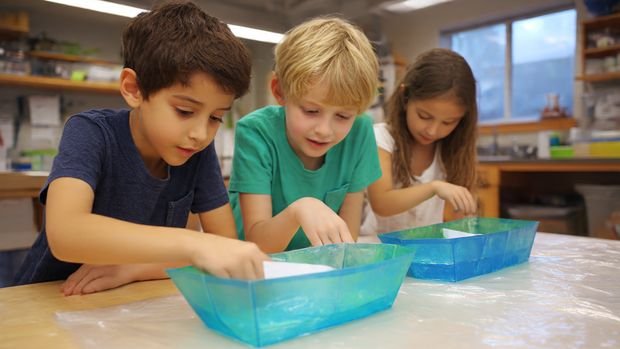
Make boats with:
- Aluminum foil
- Paper
- Sponge
- Popsicle sticks
Children test which stays afloat longest and holds the most weight — a great engineering and logic activity.
14. DIY Catapult With Popsicle Sticks
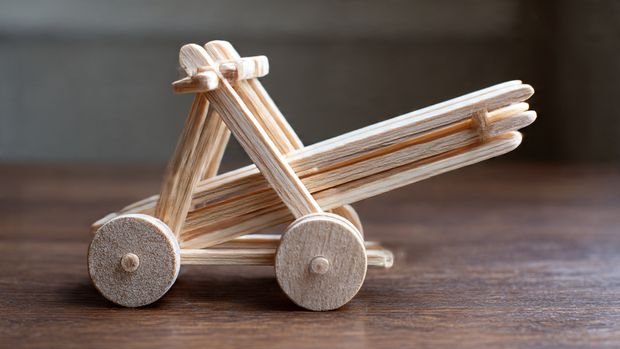
Kids can build a small catapult using:
- Popsicle sticks
- Rubber bands
- Bottle cap
They learn:
- Force
- Motion
- Accuracy
- Engineering concepts
So much fun with small objects like cotton balls.
15. Problem-Solving STEM Puzzles

Challenge kids with:
- Tangram puzzles
- Pattern blocks
- Sudoku for kids
- Building shapes using straws
Improves critical thinking and logical reasoning.
Final Thoughts
STEM activities give children the chance to explore, experiment, and think creatively. These hands-on ideas help build essential skills like problem-solving, logical thinking, teamwork, and curiosity — all while having fun.
Whether your child is building a bridge, designing a marble maze, testing science experiments, or exploring nature, every activity opens a door to learning. With simple materials and a little imagination, STEM becomes an exciting part of everyday life.
Encourage curiosity, ask questions, celebrate experiments, and allow mistakes — because real learning grows from exploration.