
How to Create a Baby Sleep Schedule That Actually Works
Creating a sleep schedule for your baby can feel overwhelming—especially when every infant has different needs, moods, and routines. Still, a predictable sleep schedule can make life much easier for both parents and babies. A well-structured routine helps babies feel secure, sleep better, and stay healthier, while giving parents more control and peace of mind.
Whether you’re a first-time parent or adjusting to a new phase in your baby’s development, this guide will help you understand how to build a sleep schedule that truly works for your family.
1. Understand Your Baby’s Natural Sleep Patterns

Every baby is different. Some babies sleep long stretches, while others take short naps several times a day. Before structuring a schedule, observe your baby’s natural habits.
Signs your baby is ready to sleep include:
- Rubbing eyes
- Yawning
- Fussiness
- Staring off or losing interest
- Slower movement
Noticing these cues helps you put your baby to sleep before they become overtired, which is key to better rest.
2. Follow Age-Appropriate Wake Windows

Wake windows are the amount of time a baby can stay awake before needing sleep. This is the foundation of any successful sleep schedule.
General wake windows by age (approximate):
- 0–2 months: 45–60 minutes
- 2–4 months: 1–1.5 hours
- 4–6 months: 1.5–2.5 hours
- 6–9 months: 2–3 hours
- 9–12 months: 2.5–4 hours
Wake windows help prevent overtiredness — one of the biggest reasons babies fight sleep.
3. Create a Consistent Bedtime Routine
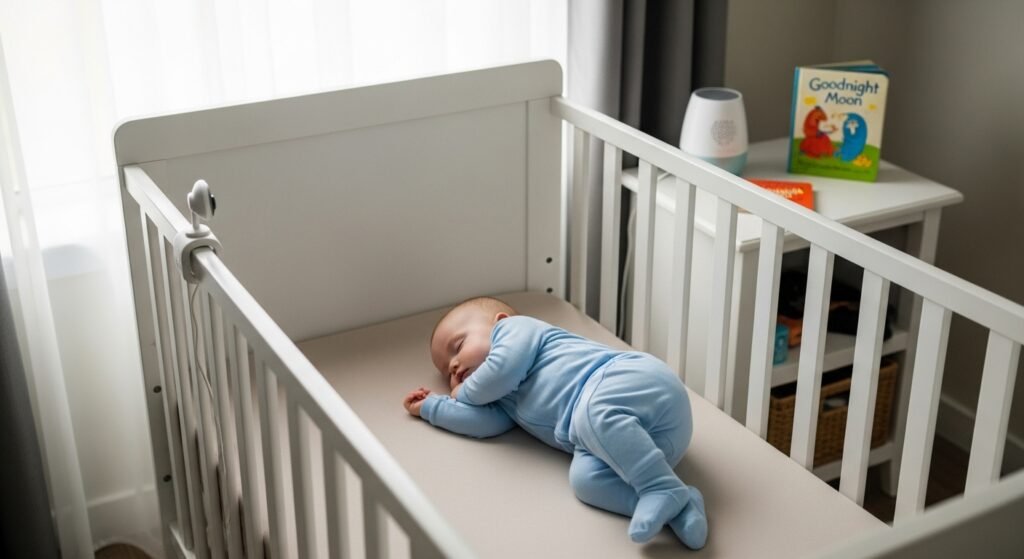
A predictable bedtime routine prepares your baby’s body and mind for sleep. The routine doesn’t need to be long — even 20–30 minutes is enough.
A simple bedtime routine can include:
- Warm bath
- Changing into pajamas
- Feeding
- Soft massage
- Gentle lullabies
- Dim lights
- Storytime
Repeating the same steps helps babies associate the routine with sleep.
4. Keep Daytime Naps Structured

To build a good nighttime schedule, daytime naps must also be balanced. Long or very late naps can disrupt nighttime sleep.
Tips for better nap routines:
- Offer naps before overtiredness sets in
- Keep nap times in a quiet and calm environment
- Use white noise to block outside sounds
- Try to maintain similar nap lengths daily
Infants usually take 3–5 naps depending on age.
5. Establish a Regular Wake-Up Time

Consistency is the secret to a successful baby sleep schedule. A fixed wake-up time helps set the body clock and makes nap times easier to predict.
Even if the night was rough, try to maintain the same wake time within a 30-minute window. This keeps the daily schedule balanced.
6. Understand the Importance of Feedings
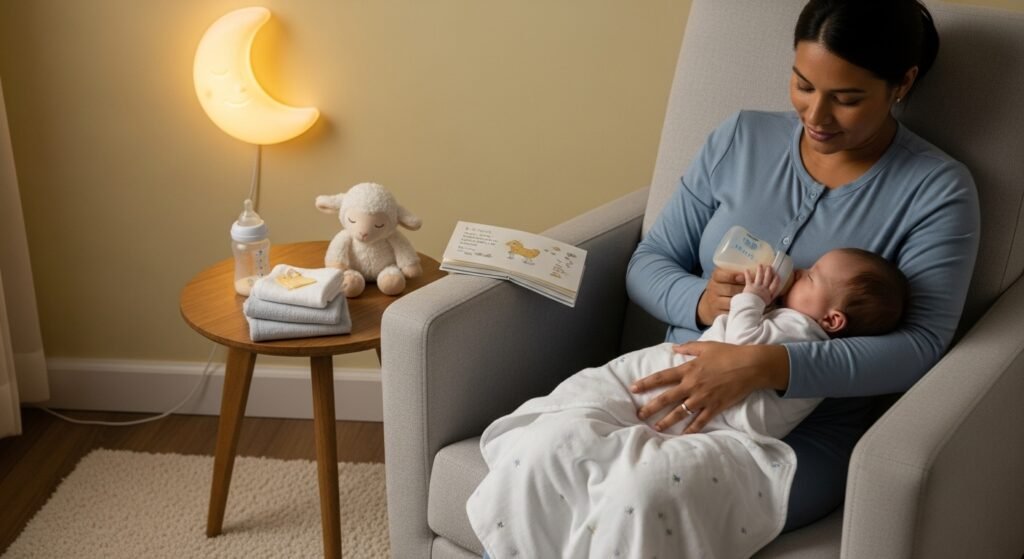
Feeding and sleep are closely connected. Babies sleep better when properly fed — but feeding too close to bedtime can sometimes cause discomfort.
Helpful tips:
- Daytime feedings should be full and unhurried
- Evening “tank-up” feedings may help some babies sleep longer
- Avoid overtired, sleepy feeding during the day
- Night feedings are normal for younger babies
Over time, as babies grow, they naturally reduce nighttime feeds.
7. Create the Perfect Sleep Environment

A peaceful sleep environment can make a huge difference in how easily your baby falls asleep.
Ideal sleep environment includes:
- Dim or dark room
- Comfortable clothing
- White noise machine
- Safe sleep space (firm mattress, no pillows or stuffed toys)
- Cool room temperature
A calm setting signals the brain that it’s time to rest.
8. Follow a Flexible, Not Strict, Schedule

A baby sleep schedule should be predictable — not rigid. Babies grow fast, experience development leaps, teething, and growth spurts. These naturally affect sleep.
Stay flexible by adjusting:
- Nap lengths
- Wake windows
- Feeding needs
- Bedtime routines
A flexible routine remains consistent without stressing you or the baby.
9. Encourage Self-Soothing (When Age-Appropriate)

Self-soothing means the baby learns to fall asleep on their own without rocking, feeding, or holding. This doesn’t happen overnight, and it’s not suitable for newborns.
From around 4–6 months, you can gently encourage self-soothing by:
- Putting the baby down drowsy but awake
- Giving them a few minutes to settle
- Avoiding immediate picking up at every sound
- Offering comfort with a pat or soft voice
Small steps lead to big progress over time.
10. Limit Overstimulation Before Sleep

Active play, loud environments, and bright screens can make it harder for babies to wind down. In the hour before naps or bedtime, choose calming activities.
Try:
- Soft play
- Gentle music
- Quiet bonding time
- Dim lighting
This helps babies transition from active to calm mode naturally.
11. Watch for Sleep Regression

Sleep regressions are temporary phases where a baby’s sleep becomes unsettled due to growth and development. Common regressions occur around:
- 4 months
- 6 months
- 8–9 months
- 12 months
During regressions:
- Stick to routines
- Offer extra comfort
- Adjust wake windows
- Be patient — they pass within weeks
12. Track Progress for Better Consistency

Keeping track of sleep times helps identify patterns. You can use:
- A notebook
- Mobile apps
- A simple daily chart
This makes it easier to adjust the schedule based on your baby’s natural rhythm.
13. Avoid Comparing Your Baby With Others

Every baby has a unique sleep style, and comparing can cause unnecessary stress. What works for one family may not work for another.
Focus on:
- Your baby’s cues
- Your lifestyle
- Your comfort
- Your baby’s age and needs
Trust the process — improvement comes gradually.
Final Thoughts
Creating a baby sleep schedule that truly works takes time, patience, and consistency. There’s no perfect one-size-fits-all method, but with the right routine, age-appropriate wake windows, and a peaceful sleep environment, your baby can learn healthy sleep habits that benefit the whole family.
Start small, stay flexible, and adjust as your baby grows. With love, calmness, and steady routines, your baby will naturally settle into a sleep schedule that supports better rest and happier days.