Well-Behaved Kids Have Parents Who Use These 10 Unique Discipline Tips
Every parent dreams of raising kind, respectful, and well-behaved kids. But let’s face it — discipline can be one of the hardest parts of parenting.
When we think of “discipline,” we often imagine punishment or strict rules. But true discipline isn’t about control — it’s about teaching self-control.
Well-behaved kids aren’t born that way; they’re raised with consistency, love, and smart strategies. Parents who use calm, respectful, and creative discipline methods help their children develop inner discipline — not just obedience.
If you’ve been struggling with tantrums, backtalk, or endless reminders, here are 10 unique discipline tips that calm the chaos and build better behavior — while keeping your bond with your child strong.
1. Connection Comes Before Correction

Before you correct your child’s behavior, make sure they feel connected to you. Kids are far more likely to listen when they feel loved and understood.
When a child feels disconnected — tired, hurt, ignored, or misunderstood — they act out to get attention or control. But when you focus on connection first, cooperation naturally follows.
How to practice it:
- Get down to their eye level before talking.
- Use a gentle tone instead of yelling.
- Give a quick hug or touch before correcting.
- Acknowledge their feelings: “I see you’re upset because playtime ended.”
When children feel seen and heard, discipline becomes guidance — not punishment.
2. Use “When–Then” Phrases Instead of Threats
Traditional discipline often sounds like this:
“If you don’t clean your room, you can’t watch TV.”
But this kind of statement can feel like a threat, which often leads to resistance.
Try a “When–Then” statement instead:
“When your room is clean, then you can watch TV.”
It keeps the tone positive and teaches cause and effect rather than fear.
Examples:
- “When you finish your homework, then you can go outside.”
- “When toys are put away, then we’ll start the movie.”
This approach helps kids understand that privileges are earned through responsibility — and it makes discipline feel fair, not harsh.
3. Give Choices — But Smart Ones
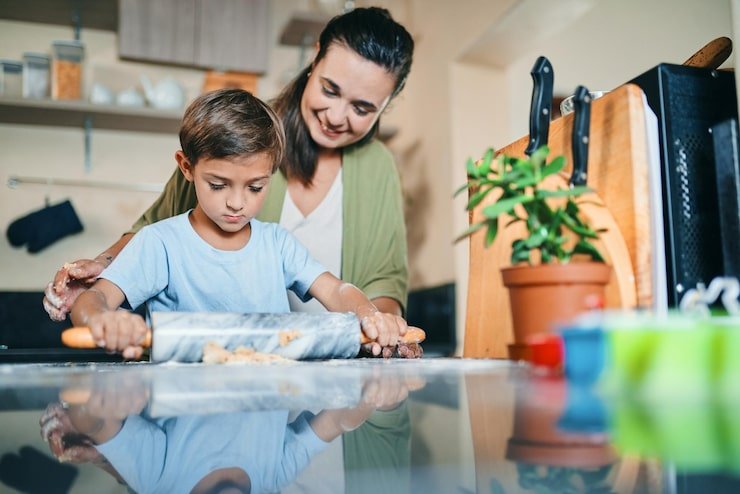
Power struggles are a daily battle in many homes. The secret? Give your child a sense of control within clear boundaries.
Offer two acceptable choices:
“Do you want to brush your teeth before or after your bath?”
“Would you like the red cup or the blue one?”
Choices give kids a sense of independence while still keeping you in charge.
Why it works:
It satisfies their need for autonomy and reduces the urge to rebel.
Just make sure both choices are okay with you — that way, no matter what they pick, everyone wins.
4. Stay Calm — Your Energy Sets the Tone
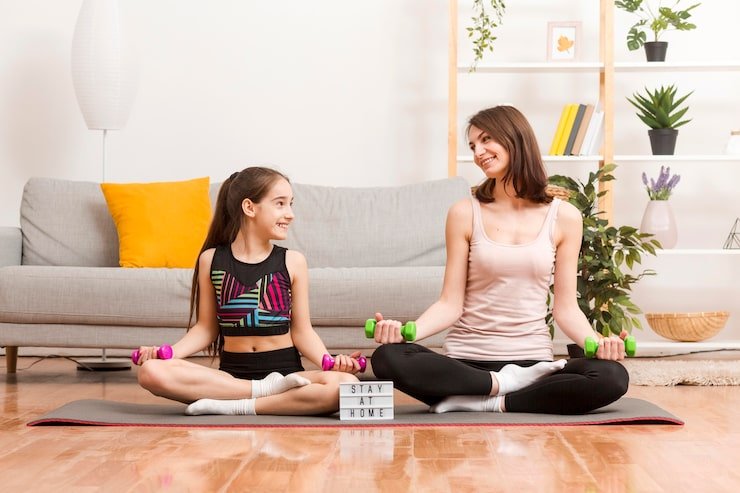
Children feed off your emotions. If you stay calm, they learn calm. If you react with anger, they react with more defiance.
When your child misbehaves, take a deep breath before responding. A calm tone communicates authority far better than shouting.
Try this approach:
- Take a pause before reacting.
- Speak softly and clearly.
- Get closer instead of louder.
Your calm presence teaches kids emotional control — one of the most valuable life skills they’ll ever learn.
5. Focus on Teaching, Not Punishing
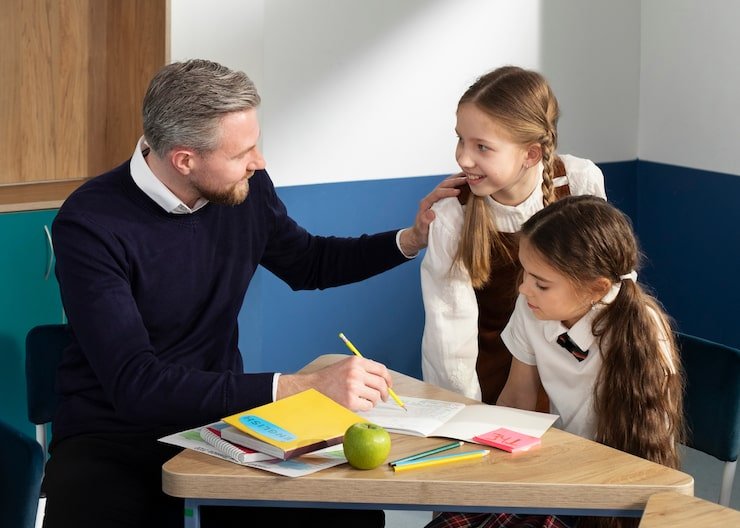
Discipline is about teaching, not punishing. Instead of asking, “How can I make my child feel bad for what they did?” ask, “What do I want them to learn from this?”
For example:
- If your child lies, teach them about honesty by showing trustworthiness and talking about truth.
- If they hit, teach empathy by helping them see how their actions affect others.
Teaching mindset:
- Explain consequences calmly.
- Practice problem-solving together.
- Role-play better choices for next time.
Punishment creates fear. Teaching creates growth.
6. Use Natural and Logical Consequences
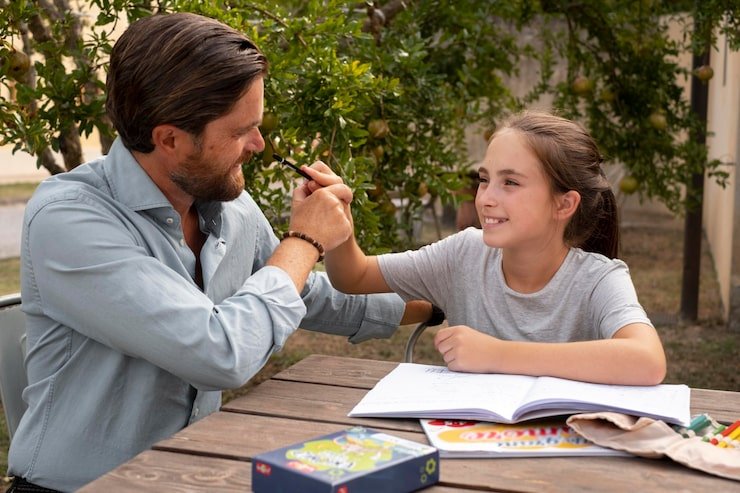
Instead of forcing arbitrary punishments (“You’re grounded for a week!”), let kids experience natural consequences that are directly connected to their choices.
Natural consequence:
- If your child refuses to wear a coat, they’ll feel cold.
- If they break a toy by throwing it, they won’t have that toy to play with.
Logical consequence:
- If they spill something, they help clean it up.
- If they don’t do homework, they deal with the teacher’s response.
This kind of discipline builds responsibility and self-awareness. Kids quickly learn that actions have outcomes — without feeling shamed or punished.
7. Praise Effort and Character, Not Just Results
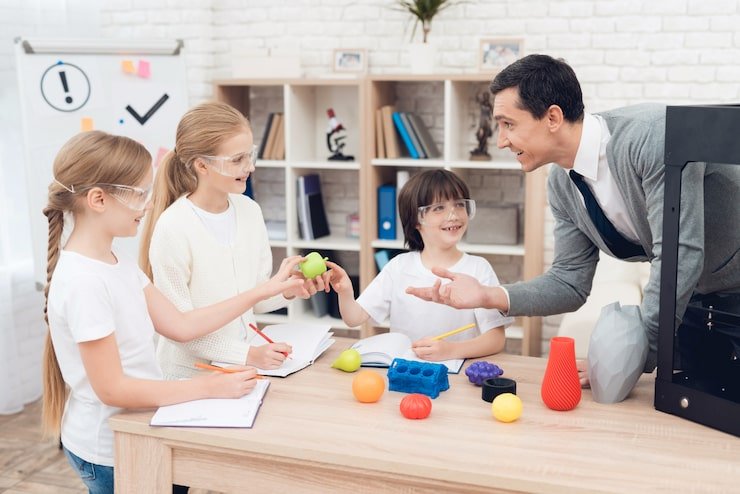
Many parents praise kids by saying, “Good job!” or “You’re so smart!” But effective discipline includes positive reinforcement that builds inner motivation.
Instead of praising outcomes, focus on effort, persistence, and values.
Examples:
- “I noticed you worked hard to clean your room — that shows responsibility.”
- “You were really patient with your sister — that’s kind.”
- “You tried again even when it was hard — that’s brave.”
This kind of encouragement shapes a child’s character and helps them want to behave well — not just to earn approval, but because it feels good to do what’s right.
8. Create Predictable Routines

A lot of misbehavior comes from unpredictability or lack of structure. Kids need to know what’s coming next — it helps them feel safe and reduces anxiety.
Routines create consistency and prevent chaos.
Start with small, daily routines:
- Morning routine (wake up, dress, breakfast, brush teeth).
- After-school routine (snack, homework, playtime).
- Bedtime routine (bath, pajamas, story, lights out).
When kids know the rhythm of their day, they’re less likely to push boundaries. Predictability brings calm — for both you and them.
9. Model the Behavior You Want to See
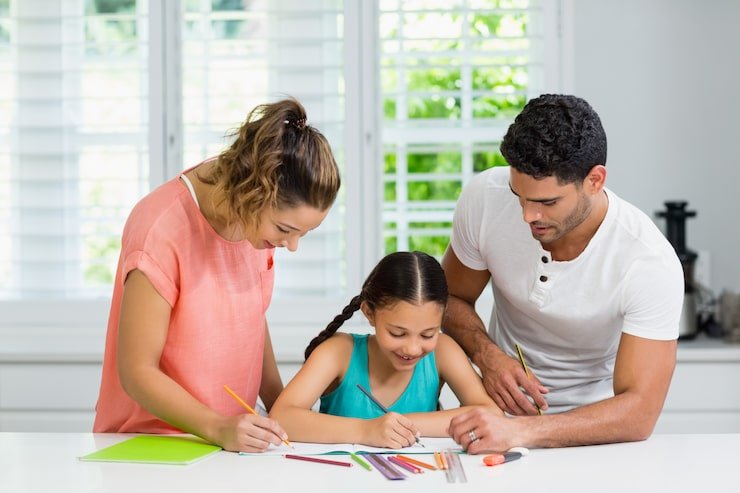
Children learn more from what you do than what you say. If you want respect, speak respectfully. If you want patience, show it.
You can’t teach calmness by yelling. You can’t teach honesty by lying.
Your example is your most powerful parenting tool.
Try this mindset:
- “If I want my child to manage emotions, I’ll show them how I manage mine.”
- “If I want them to say sorry, I’ll apologize when I make mistakes.”
- “If I want them to listen, I’ll listen when they speak.”
Kids imitate your behavior far more than your words. Be what you want them to become.
10. End the Day with Connection, Not Correction
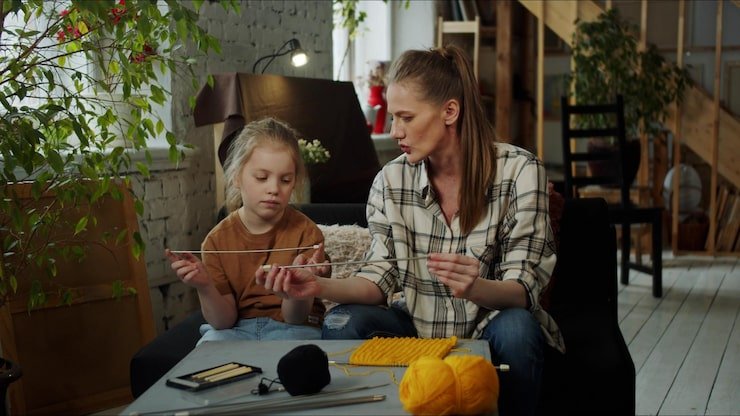
No matter how the day went — no matter how many tantrums, messes, or mistakes — end the day on a note of love.
A few kind words or gentle moments before bedtime rebuild connection and remind your child that your love is unconditional.
Try this nightly ritual:
- A short talk about what went well today.
- One thing they’re proud of.
- A hug and “I love you no matter what.”
Children go to sleep with whatever emotion they feel last. Make sure it’s love, not shame or tension.
Those few moments of calm connection will do more for your child’s behavior than any punishment ever could.
Bonus Tip: Stay Consistent
The best discipline in the world doesn’t work without consistency. Kids need to know that boundaries stay the same — that “no” still means “no” tomorrow.
When rules change constantly, kids get confused. When parents stay firm yet kind, kids feel safe.
Consistency builds trust, and trust builds better behavior.
Why These Discipline Tips Work
Each of these approaches is based on respect, communication, and teaching — not fear.
They work because they:
- Focus on emotional intelligence.
- Build internal motivation.
- Strengthen parent-child relationships.
- Create cooperation instead of conflict.
The goal isn’t to control your child — it’s to guide them toward self-control.
When kids feel loved, understood, and respected, they naturally want to behave better.
Common Discipline Mistakes to Avoid
Even well-meaning parents fall into traps sometimes. Here are a few to watch for:
- Yelling too often: It creates fear, not respect.
- Empty threats: Kids learn you don’t follow through.
- Inconsistency: Confuses children and weakens authority.
- Over-explaining: Sometimes kids need clear direction, not long lectures.
- Punishing emotions: Teach them to manage feelings, not to suppress them.
Gentle discipline is not about being lenient — it’s about being firm with empathy.
Conclusion
Raising well-behaved kids isn’t about being a perfect parent or using strict punishment. It’s about using consistent, thoughtful, and loving strategies that help children grow emotionally and behaviorally strong.
Parents who raise calm, respectful, and kind kids don’t rely on fear — they rely on connection, communication, and consistency.
Discipline doesn’t mean making your child obey — it means teaching them to choose what’s right even when you’re not around.
So, take a breath. Stay patient. Stay loving.
Because the calm, confident parent you’re becoming is exactly what your child needs to learn how to behave — with heart, respect, and understanding.