Parenting is one of the most beautiful journeys in life — but it can also feel chaotic at times. Between school schedules, meals, work, and bedtime battles, many parents find themselves rushing from one task to the next, barely catching their breath.
If you often feel overwhelmed by the daily hustle, you’re not alone. But here’s some good news: a calm, consistent daily routine can make parenting easier, reduce stress, and create a peaceful rhythm in your home.
Let’s explore how daily routines bring balance, predictability, and peace — and how you can build one that works for your family.
1. Why Daily Routines Matter in Parenting
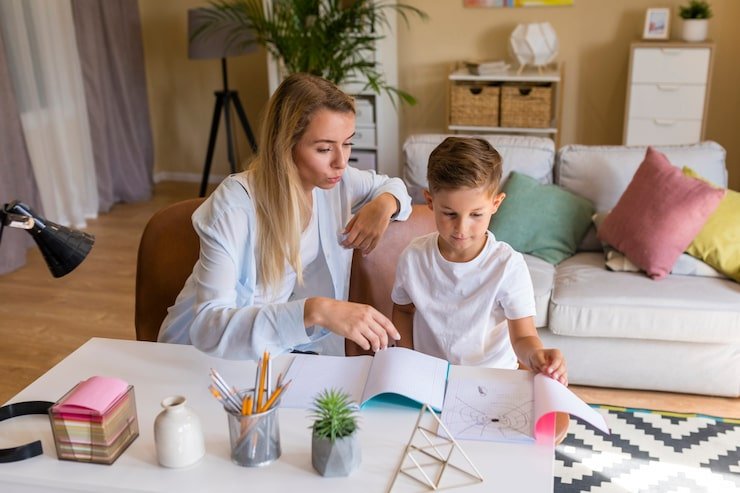
Children thrive on predictability. Knowing what to expect helps them feel safe and secure. Routines give children a sense of order in their world — and when kids feel calm, parents feel calmer too.
Benefits of a calm daily routine:
- Reduces stress and power struggles.
- Builds responsibility and independence.
- Strengthens family connection.
- Improves sleep, behavior, and overall mood.
- Creates time for rest and bonding.
A consistent structure helps both parents and children feel grounded, even on busy days.
2. The Power of Predictability
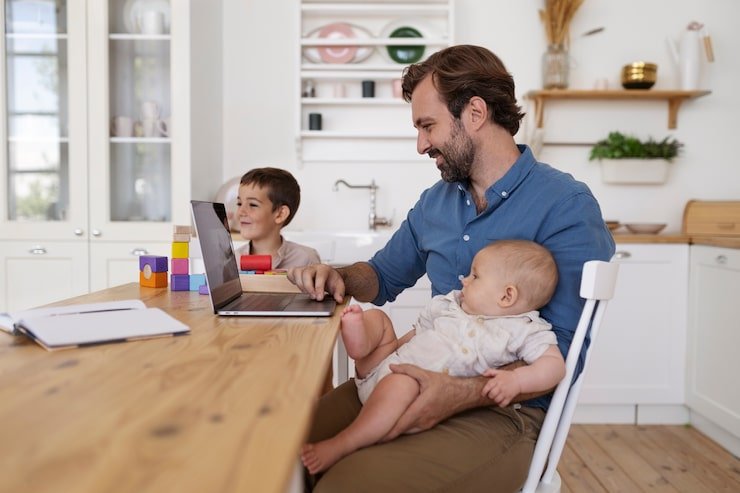
Children, especially younger ones, often feel anxious about the unknown. A routine gives them a sense of control — they know what’s coming next and can transition smoothly from one activity to another.
For parents, predictability means fewer surprises and less chaos. You’ll spend less time negotiating or reminding and more time enjoying the day.
Think of routines as the framework of family life — flexible but steady, like a gentle rhythm that keeps everything flowing.
3. Start with the Most Important Parts of the Day

You don’t need to plan every minute — just focus on the key moments that tend to cause the most stress: mornings, mealtimes, and bedtime.
Morning Routine
A calm morning sets the tone for the day.
Tips:
- Wake up a little earlier to avoid rushing.
- Prepare lunches, clothes, and bags the night before.
- Play soft music instead of turning on screens.
- Keep a checklist for older kids so they know what to do next.
When mornings start calmly, the whole day feels smoother.
Mealtime Routine
Family meals are more than just food — they’re opportunities for connection.
Tips:
- Eat at roughly the same times each day.
- Avoid distractions like phones or TV.
- Encourage everyone to share something about their day.
- Involve kids in setting the table or helping serve food.
Consistent mealtimes create family bonding moments and healthier eating habits.
Bedtime Routine
Bedtime is one of the most important — and often most challenging — parts of the day.
Tips:
- Start winding down at the same time each night.
- Use calming activities like baths, reading, or gentle music.
- Keep the lights dim to signal that it’s time to rest.
- Avoid screens at least an hour before bed.
A predictable bedtime routine helps kids fall asleep faster and sleep more soundly — and gives parents time to relax too.
4. Make Routines Visual for Kids
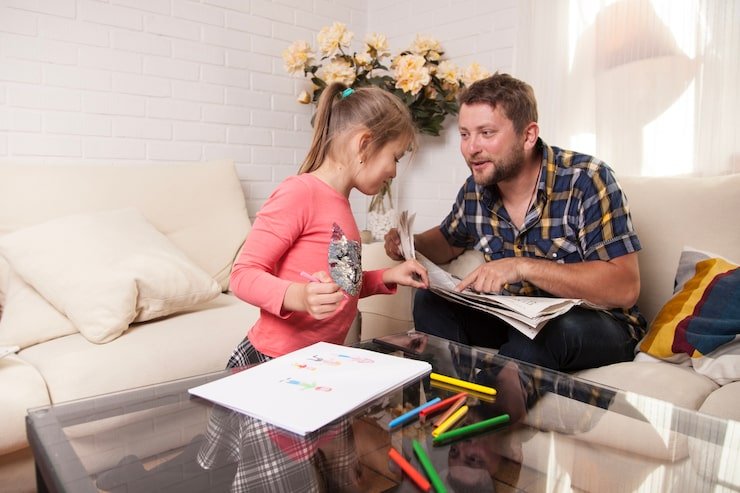
Younger children often respond better to visuals than verbal reminders. A simple routine chart can make a big difference.
How to make one:
- Use pictures or drawings for each activity (brush teeth, get dressed, eat breakfast, etc.).
- Place it somewhere visible, like the fridge or their bedroom wall.
- Let your child check off each task as they complete it.
Visual charts make routines feel like a fun game instead of a list of commands — and they teach independence and responsibility.
5. Keep It Simple and Realistic
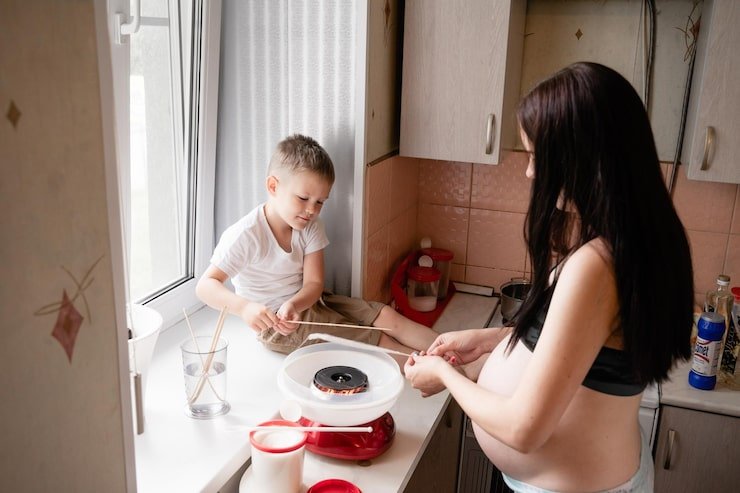
The best routines are simple, flexible, and achievable. Don’t overcomplicate things or try to schedule every moment.
Start small:
- Focus on one part of the day first (like mornings or bedtime).
- Add more structure once the first routine feels natural.
- Allow flexibility — some days won’t go as planned, and that’s okay.
Remember: routines are meant to make life easier, not rigid. Aim for consistency, not perfection.
6. Involve Your Kids in the Process
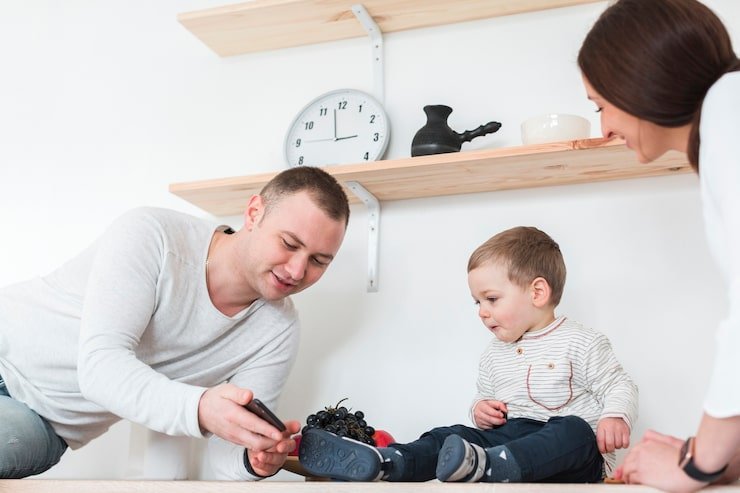
When children help create routines, they’re more likely to follow them.
Ask your kids:
- “What can help mornings go smoother?”
- “What do you like to do before bed to relax?”
- “Which task would you like to be in charge of?”
Even small choices (like picking their outfit or helping set the table) make kids feel valued and cooperative.
When kids feel heard, routines become a shared family effort — not a set of rules.
7. Build in Downtime Every Day
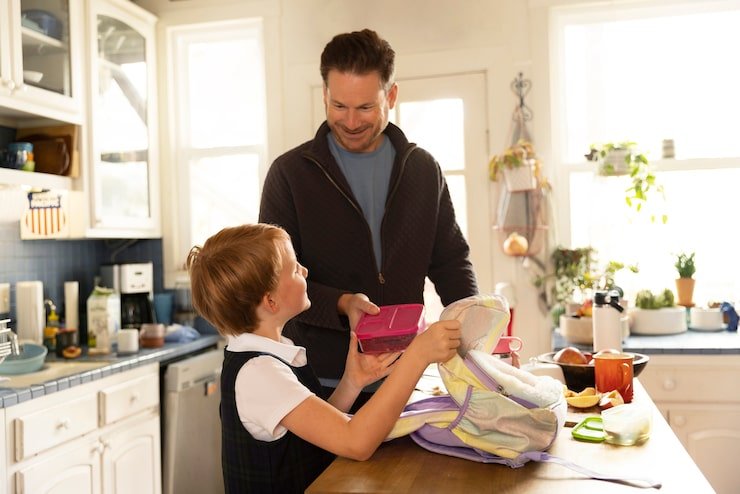
A calm routine doesn’t mean constant activity. Kids (and parents!) need downtime to relax and recharge.
Include small pauses throughout the day:
- Quiet play or reading time after lunch.
- Screen-free family rest time in the evening.
- A short walk outside after dinner.
Downtime gives children space to process their emotions and creativity — and gives you a moment to breathe too.
8. Add a Touch of Joy to Everyday Moments
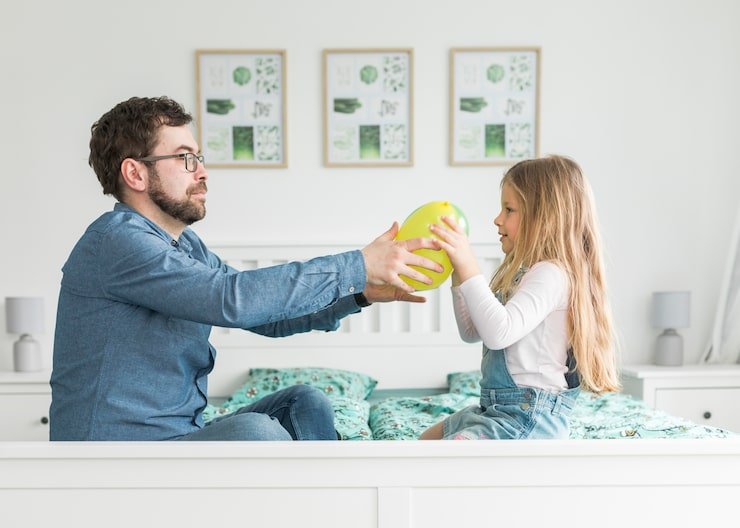
Routines don’t have to be dull or repetitive. In fact, they can become some of your most cherished family traditions.
Add small joys to daily routines:
- Play cheerful music during morning prep.
- Share a “daily joke” at breakfast.
- Have a fun handshake before school.
- Say one thing you’re grateful for at dinner.
- End the night with a special bedtime phrase or song.
These little rituals make ordinary routines feel special — and help children associate structure with comfort, not stress.
9. Manage Transitions with Calm and Connection

Transitions (like leaving the house or getting ready for bed) can be tough for kids. The key is to stay calm, connect emotionally, and give gentle reminders.
Helpful transition strategies:
- Give a five-minute warning before changing activities.
- Use positive language: say “It’s almost time to clean up” instead of “Stop playing now.”
- Offer choices: “Would you like to brush your teeth before or after your story?”
- Stay calm even if they resist — your energy sets the tone.
A calm, connected approach reduces meltdowns and teaches kids emotional regulation.
10. Balance Structure with Flexibility

While consistency is valuable, it’s equally important to stay flexible. Life with kids is unpredictable — sometimes routines will go off track, and that’s okay.
If you miss a step or have an unusual day, don’t stress. Routines are tools, not rules.
Tips for flexibility:
- Adjust for special days, holidays, or sick days.
- Keep your tone positive — focus on getting back on track gently.
- Model flexibility: show your kids it’s okay to adapt when plans change.
Flexibility within structure teaches kids resilience — one of the most important life skills.
11. Create a Calm Environment
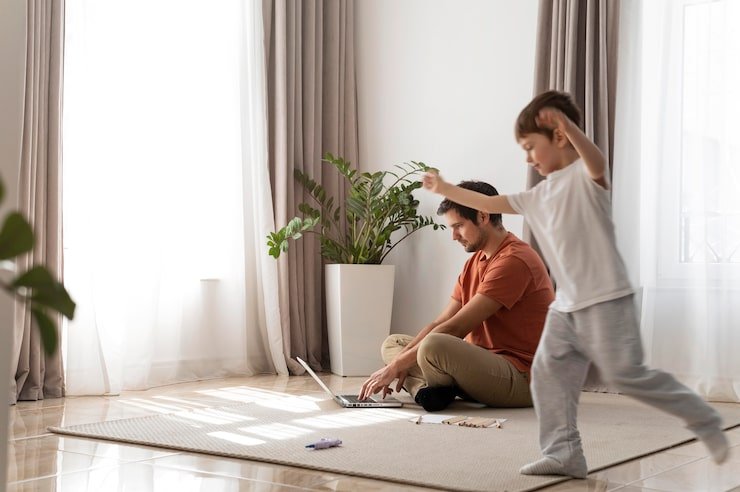
Your physical environment plays a big role in how calm your routines feel.
Simple ways to set the tone:
- Keep clutter to a minimum — tidy spaces help clear the mind.
- Use soft lighting, especially in the evening.
- Play gentle background music during meals or bedtime.
- Keep daily essentials (like clothes, school bags, and snacks) organized and easy to find.
A peaceful environment helps everyone feel relaxed and in control.
12. Practice Consistency Over Time
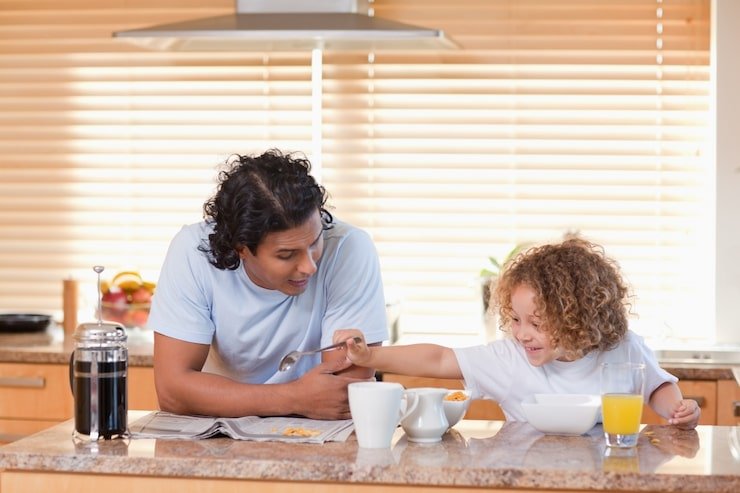
Consistency is what turns routines into habits. The more regularly you follow them, the smoother they become.
It might take a few weeks for a new routine to feel natural, but once it’s established, you’ll notice big changes — fewer meltdowns, smoother transitions, and a more peaceful household.
Stay patient and celebrate small wins along the way.
Even when days get hectic, your routines will help you stay centered — like a compass guiding you through the busyness.
13. Don’t Forget Self-Care for Parents
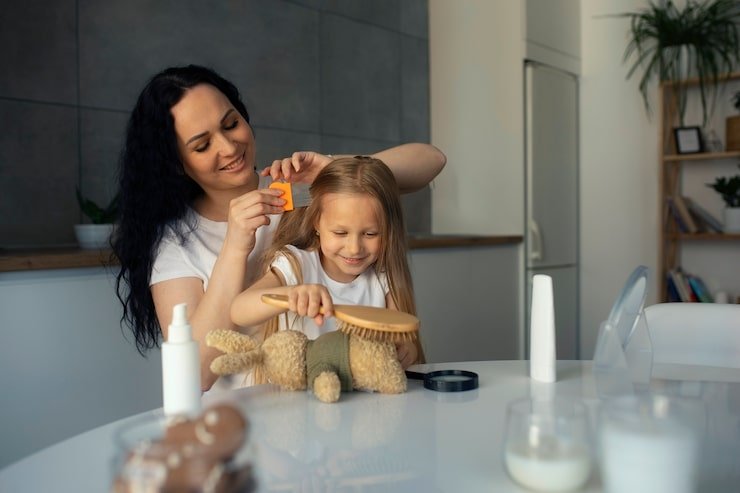
Calm routines aren’t just for kids — they’re for you too.
Take small moments for yourself within the day:
- A few quiet minutes with your coffee in the morning.
- Deep breaths before the next task.
- Listening to music while cleaning.
- Reading a book after bedtime.
When you care for yourself, you model balance and emotional well-being for your children. A calm parent creates a calm home.
14. Adjust as Your Kids Grow
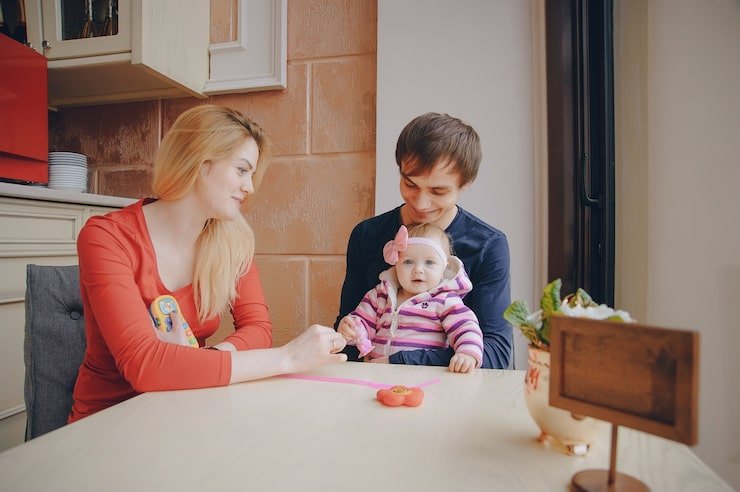
Routines aren’t one-size-fits-all. What works for a toddler may not work for a school-age child or teenager.
Revisit and adjust your routines every few months:
- Add age-appropriate responsibilities (like packing their own bag).
- Shift bedtime as kids grow.
- Allow older kids to take more ownership of their time.
Growth is natural — and flexible routines grow with your family.
15. Turn Routine into Connection

The real beauty of daily routines is that they strengthen your bond with your children.
When kids know what to expect, they feel safe — and when they feel safe, they open up more.
Those simple moments — brushing teeth together, talking at dinner, reading before bed — become opportunities for love, laughter, and lifelong memories.
Routines don’t just organize your day — they shape your family’s emotional foundation.
Conclusion
Parenting will always have its busy, unpredictable moments — but calm daily routines can bring peace, balance, and joy to even the most chaotic days.
Routines don’t have to be perfect or rigid. They simply need to work for your family — bringing structure where it’s needed and calm where it’s missing.
When you slow down, plan with love, and stay consistent, your home becomes a peaceful space where everyone can grow, learn, and connect.
Remember: calm doesn’t mean quiet — it means steady, loving, and intentional.
With calm daily routines, parenting doesn’t just get easier — it becomes more joyful.