Newborn Room Setup Made Easy for New Parents
Preparing for a baby’s arrival is one of the most exciting parts of pregnancy. As new parents, you probably dream of creating the perfect space — cozy, safe, and practical — where your newborn can sleep, grow, and feel loved.
But between choosing the right furniture, organizing baby essentials, and making everything “just right,” the process can also feel overwhelming. Don’t worry — setting up a newborn room doesn’t have to be complicated or expensive.
With a little planning and a focus on functionality, you can create a beautiful, calm space that works for both you and your baby.
Here’s your step-by-step guide to setting up a newborn room with ease — covering everything from furniture and safety to storage and design.
1. Choose the Right Room
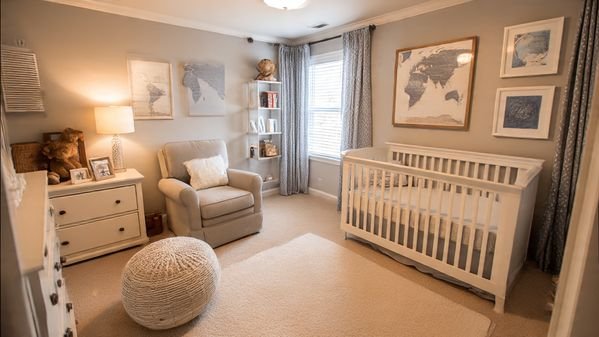
If you have the luxury of choice, pick a room that’s quiet, easily accessible, and close to your bedroom — especially for those frequent nighttime feedings.
Key things to consider when choosing a room:
- Temperature: Make sure the room stays comfortably cool (around 20–22°C / 68–72°F).
- Noise: Choose a spot away from high-traffic areas like the kitchen or living room.
- Light: A room with natural light is ideal, but blackout curtains can help your baby sleep better.
- Space: You don’t need a large room — a small, organized space can feel cozier and easier to manage.
If your home doesn’t have an extra room, don’t worry — many parents set up a newborn corner in their bedroom for the first few months.
2. Focus on the Essentials First
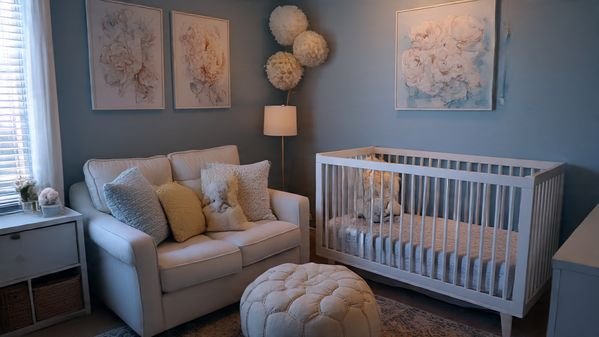
You don’t need to fill the room with everything at once. Start with the basics — the things your baby will truly need in the first few months.
Essential furniture pieces:
- Crib or bassinet: Choose one that meets current safety standards. A firm mattress and fitted sheet are must-haves.
- Changing station: A changing table or a sturdy dresser with a changing pad on top works perfectly.
- Storage: You’ll need drawers, bins, or shelves for clothes, diapers, and baby supplies.
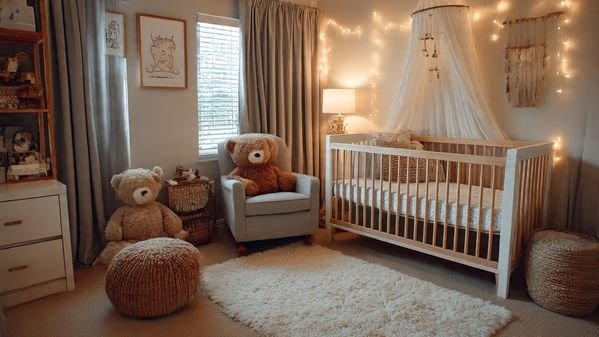
- Comfortable chair: A rocking chair or glider is great for feedings, cuddles, and storytime.
Avoid overcrowding the space. Keep it simple — you can always add more later as your baby grows.
3. Plan a Safe Sleeping Area
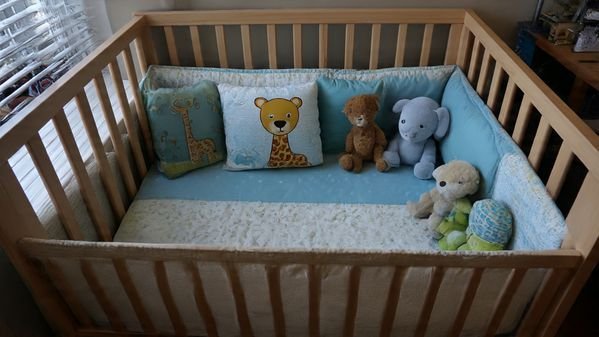
Your baby will spend a lot of time sleeping, so safety is the top priority.
Safe sleep guidelines:
- Always place your baby on their back to sleep.
- Use a firm, flat mattress with a fitted sheet — no pillows, blankets, or stuffed toys.
- Keep the crib clear of bumpers or decorative items.
- Ensure the crib meets the latest safety standards (slat spacing should be less than 2 3/8 inches).
If you plan to room-share (recommended by pediatricians for at least the first six months), consider a bassinet or bedside sleeper that allows you to keep your baby close while maintaining a safe sleep space.
4. Create a Practical Changing Area
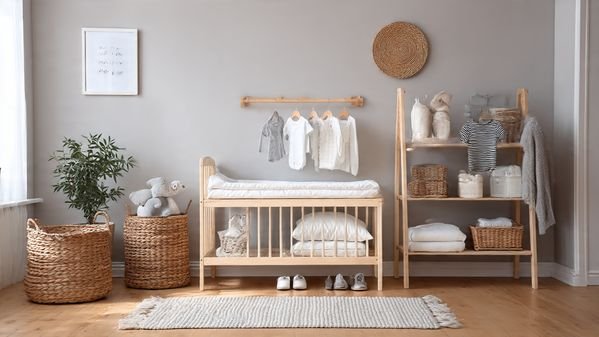
A well-organized changing area saves time and reduces stress — especially during late-night diaper changes.
Tips for setting it up:
- Keep diapers, wipes, creams, and extra clothes within easy reach.
- Use small baskets or drawer organizers to keep supplies tidy.
- Have a diaper pail or small trash bin nearby.
- Use a waterproof cover on the changing pad for easy cleanup.
If space is limited, you can set up a portable changing station — a basket or cart stocked with essentials that you can move around the house.
5. Organize Baby Clothes and Essentials
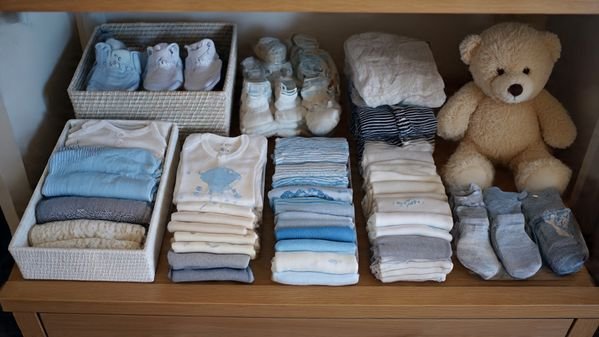
Newborns go through multiple outfit changes each day, so organization is key.
Smart storage ideas:
- Use drawer dividers or labeled bins for clothes by size or type (e.g., onesies, sleepers, hats).
- Keep everyday clothes in the top drawers for easy access.
- Store outgrown clothes in labeled boxes or vacuum bags.
- Hang a few special outfits but keep most folded to save space.
Also, have a laundry basket nearby — it’ll make your life much easier during those endless washing cycles.
6. Set Up a Feeding Corner
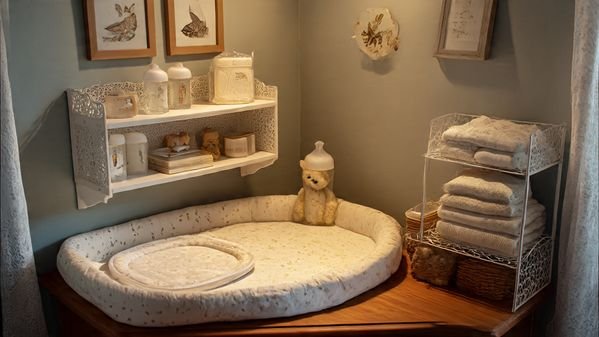
Whether you’re breastfeeding or bottle-feeding, a comfortable feeding area makes a world of difference.
What you’ll need:
- A supportive chair with armrests or a rocker.
- A nursing pillow to help with positioning.
- A small table for water, snacks, and burp cloths.
- Soft lighting for nighttime feedings — consider a dimmable lamp or nightlight.
Make the space cozy but functional — this will become one of your most-used spots in the first few months.
7. Keep Lighting Soft and Adjustable
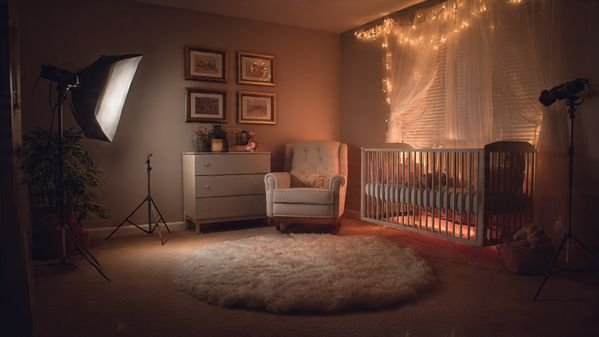
Newborns are sensitive to bright light, and you’ll often need to check on your baby at night.
Lighting tips:
- Use a dimmable lamp or nightlight to create a gentle glow.
- Avoid harsh overhead lighting, especially during nighttime changes.
- Blackout curtains can help your baby nap during the day.
Soft, adjustable lighting keeps the room calm and helps you move around without fully waking your baby.
8. Control the Room Temperature and Air Quality
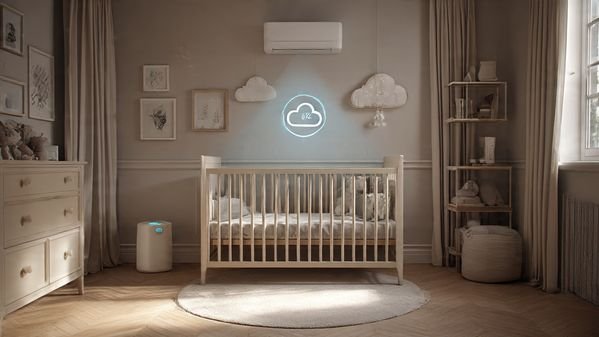
A comfortable environment helps your baby sleep safely and soundly.
Tips to maintain a safe temperature:
- Keep the room cool but not cold — around 20–22°C (68–72°F).
- Avoid placing the crib near windows or vents.
- Use a fan or air purifier for good airflow.
- Dress your baby in one more layer than you’re wearing.
A small room thermometer can help you monitor the temperature easily.
9. Choose a Calming Color Scheme
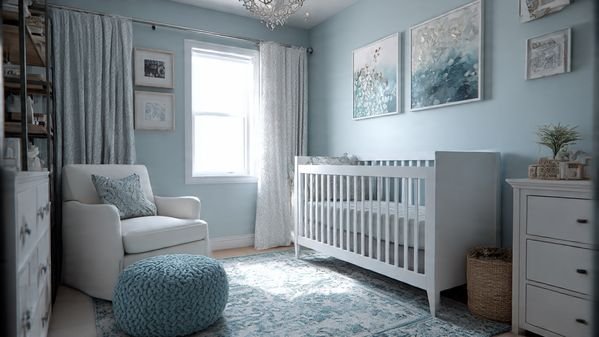
Color has a big impact on mood — both for you and your baby.
While bright colors can be fun, soft, neutral tones create a more relaxing atmosphere.
Popular choices for baby rooms:
- Soft whites, beiges, and greys for a timeless look.
- Pastel blues, pinks, or greens for gentle warmth.
- Natural wood tones for a cozy, organic feel.
Add small pops of color with wall art, toys, or textiles to bring personality without overwhelming the space.
10. Add Personal Touches
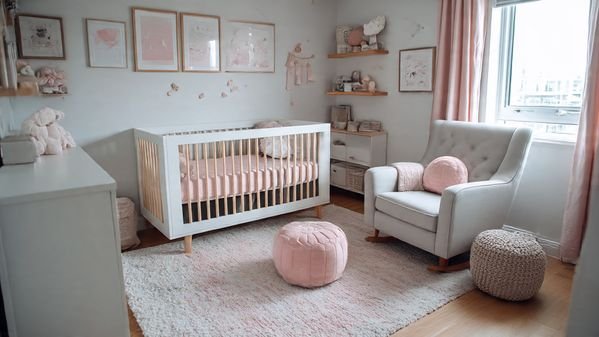
Make the nursery feel like home with a few special details that reflect your family’s personality.
Ideas for personal touches:
- Hang framed photos or wall art with positive messages.
- Add a soft area rug for warmth and comfort.
- Display baby books, keepsakes, or handmade gifts.
- Include a plant (non-toxic and out of reach) to bring life to the room.
Just keep décor minimal around the crib — safety first.
11. Keep Everything Within Reach
Newborn care is full of quick moments — diaper changes, feedings, outfit swaps — and you’ll want essentials close at hand.
Tips for convenience:
- Keep diapering items, burp cloths, and blankets nearby.
- Store extras in labeled baskets or bins within arm’s reach.
- Consider a rolling cart that can move from the nursery to other rooms.
A well-thought-out layout saves time and helps you stay calm during busy moments.
12. Plan for Nighttime Care
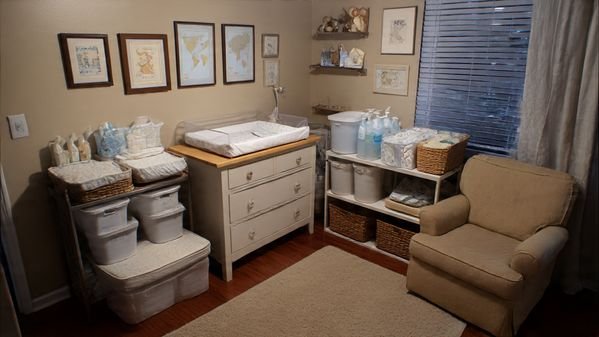
Nighttime feedings and diaper changes will be part of your routine for a while, so it’s smart to make the room work for you after dark.
Nighttime setup tips:
- Keep a small light or nightlight near your feeding area.
- Have essentials like diapers, wipes, and burp cloths prepped on your changing table.
- Keep water and a light snack nearby for yourself.
- Use blackout curtains to signal sleep time for your baby.
These small touches will make those late-night hours easier and more peaceful.
13. Make Room for Growth
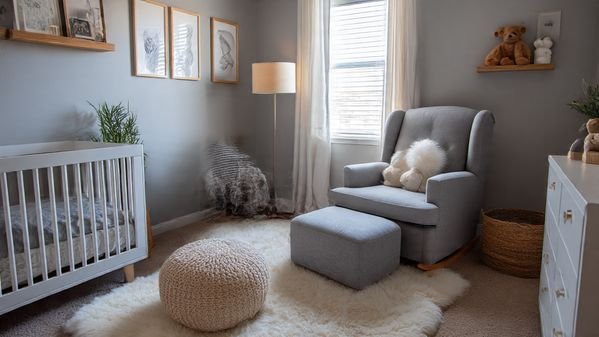
Your baby’s needs will change quickly, so it’s best to design a flexible space.
Choose furniture that grows with your child — like a convertible crib or a dresser that doubles as a changing table.
Leave room for toys, books, and play space later on. Think ahead, but don’t overfill the room now — minimal setups are easier to adapt as your baby grows.
14. Keep It Safe and Simple
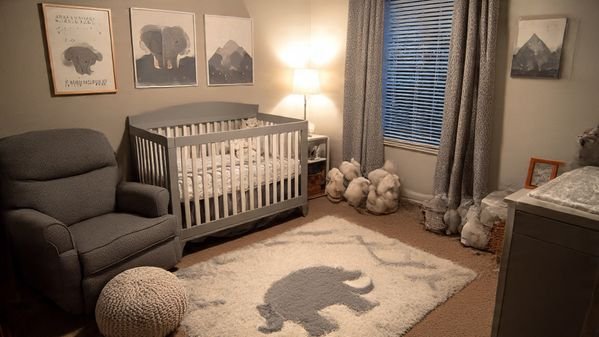
Safety is always the top priority in any newborn space.
Safety checklist:
- Anchor furniture (like dressers or bookshelves) to the wall to prevent tipping.
- Cover electrical outlets and secure cords out of reach.
- Avoid small decorative items that could be choking hazards.
- Use non-toxic paint and materials for all nursery items.
- Keep the floor clutter-free to prevent accidents.
Remember — babies grow fast, and curiosity comes early. A simple, safe setup now will save worry later.
15. Stay Organized with Smart Storage
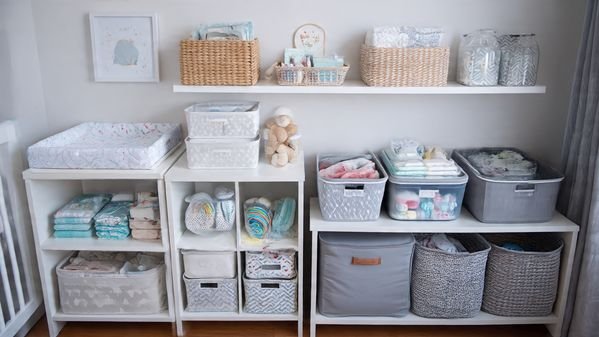
Babies may be small, but their stuff isn’t! Smart storage keeps everything manageable and your nursery clutter-free.
Storage ideas:
- Floating shelves for books or decorations.
- Baskets for toys, blankets, and laundry.
- Under-crib storage bins for extra diapers or out-of-season clothes.
- Over-the-door organizers for small items.
Label baskets or drawers to make finding things easier — especially when you’re half-asleep during night shifts.
16. Prepare a Mini Diaper Station in Other Rooms
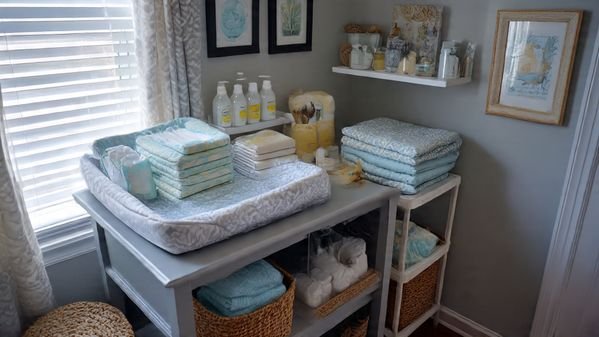
You won’t always want to run to the nursery for every diaper change. Create small diaper stations in key areas like the living room or your bedroom.
Include:
- Diapers, wipes, and creams.
- Extra clothes and burp cloths.
- A portable changing mat.
Having everything nearby keeps your day running smoothly and saves countless trips up and down the hall.
17. Keep It Calm for You, Too
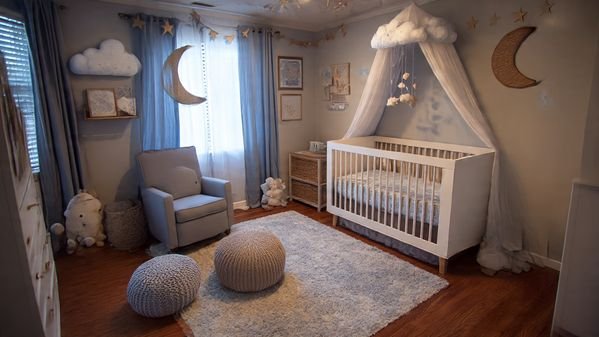
Your baby’s room isn’t just for them — it’s for you, too. You’ll spend a lot of time there, especially in the early months, so make it a space where you feel calm and comfortable.
Add things that soothe you: soft lighting, a cozy blanket, gentle music, or a diffuser with baby-safe essential oils (like lavender).
A peaceful environment helps both you and your baby relax — and that’s the real secret to a happy nursery.
Conclusion
Setting up your newborn’s room doesn’t have to be complicated or picture-perfect. What matters most is that it’s safe, comfortable, and filled with love.
Start with the basics, add personal touches over time, and focus on functionality over perfection. Your baby won’t notice the paint color or theme — but they’ll feel the warmth, security, and care you’ve put into their space.
The perfect nursery isn’t about how it looks — it’s about how it feels. And when it’s filled with peace, comfort, and love, it’s already perfect.
Would you like me to create a Pinterest SEO kit (optimized title, meta description, keywords, and 5 pin caption ideas) for this article — so it’s ready for your blog and Pinterest audience?
Ch