
Simple Tips to Find Work-Life Balance as a Parent
Being a parent is one of the most rewarding roles in life — but also one of the busiest. Between work deadlines, school runs, household chores, and family responsibilities, it often feels like there aren’t enough hours in the day. You may find yourself constantly juggling and wondering, how do I keep everyone happy — including myself?
Finding work-life balance as a parent isn’t about doing everything perfectly. It’s about creating harmony between your personal and professional life so you can manage both without losing yourself in the process.
Here are simple, practical tips to help you find work-life balance as a parent — so you can feel more present, less stressed, and more fulfilled both at home and at work.
1. Redefine What Balance Means

Before you can find balance, it’s important to understand that perfect balance doesn’t exist. Life comes in seasons — some days you’ll excel at work, and other days you’ll need to focus more on your family.
Instead of chasing perfection, aim for flexibility and harmony. Balance means that over time, both your work and family needs get the attention they deserve — even if it’s not evenly distributed every single day.
When you shift your mindset from perfection to progress, you relieve yourself of unrealistic expectations and guilt.
2. Set Clear Boundaries Between Work and Home

One of the biggest challenges for working parents is separating professional life from personal life — especially if you work from home.
Boundaries protect your time, energy, and relationships.
How to create them:
- Set clear work hours and stick to them as much as possible.
- Avoid checking work emails or messages during family time.
- Let your coworkers know your availability and respect your own limits.
- If you work from home, create a designated workspace so you can “leave work” when the day ends.
When you draw these lines, you create mental separation — allowing you to focus fully on work when you’re working and on your family when you’re home.
3. Prioritize What Truly Matters

Not everything on your to-do list is equally important. To find balance, focus on what brings the most value to your life and your family.
Ask yourself:
- What tasks can I delegate or eliminate?
- What matters most to my family right now?
- What activities actually make me feel fulfilled?
You can’t do everything — and that’s okay. By identifying priorities, you free up time for what truly deserves your attention: meaningful work, self-care, and family connection.
4. Plan and Organize Your Week in Advance

Preparation is one of the smartest tools for busy parents. Taking 20–30 minutes each weekend to plan your week can make a huge difference.
Try this simple system:
- Review your family calendar and work schedule.
- Note school events, meetings, and appointments.
- Plan meals in advance to avoid last-minute stress.
- Schedule personal time for rest, exercise, or hobbies.
When you plan ahead, you prevent chaos and create structure — which brings calm and predictability to your family’s daily routine.
5. Learn to Say No — Without Guilt
As parents, it’s easy to overcommit — volunteering at school, taking on extra work, or saying yes to every social event. But saying “yes” to everything often means saying “no” to your own peace of mind.
It’s okay to decline things that don’t align with your priorities or capacity. You’re not being rude or selfish — you’re protecting your time and energy.
When you set healthy limits, you create space for the things that matter most — your children, your health, and your well-being.
6. Share Responsibilities at Home

You don’t have to do it all alone. Parenting and running a household work best when responsibilities are shared.
How to make it work:
- Divide chores between partners or family members fairly.
- Get kids involved with age-appropriate tasks — even young children can help set the table or organize toys.
- Use a shared family calendar or app to track responsibilities.
Working together as a team teaches children cooperation and reduces pressure on one parent.
7. Use Technology Wisely

Technology can be both a blessing and a burden. It can make life easier — but it can also blur boundaries if not managed carefully.
Smart tech habits:
- Use scheduling apps, grocery delivery, or meal-planning tools to save time.
- Set screen-time boundaries for both adults and kids.
- Turn off unnecessary notifications to reduce distractions.
- Use video calls to stay connected with family when traveling for work.
Technology should support your balance, not sabotage it. Be intentional about how and when you use it.
8. Establish Family Routines

Routines create structure and reduce decision fatigue. When everyone knows what to expect, mornings and evenings run more smoothly.
Simple routines to consider:
- A consistent morning routine to start the day calmly.
- Family dinner time as a daily moment to reconnect.
- A bedtime routine that helps kids wind down and you decompress.
Predictable routines help children feel secure and allow parents to manage time more efficiently.
9. Take Care of Yourself — Without Feeling Guilty

Self-care isn’t selfish — it’s survival. You can’t pour from an empty cup. When you prioritize your physical and mental health, you show up as a better parent and professional.
Practical self-care ideas:
- Get enough sleep — it’s the foundation of balance.
- Move your body regularly, even if it’s a 15-minute walk.
- Eat balanced meals and stay hydrated.
- Set aside time each week to do something just for you — reading, journaling, or quiet coffee time.
Remember, taking care of yourself doesn’t mean you’re neglecting your family — it means you’re ensuring you have the energy to care for them better.
10. Practice Presence — Be Fully in the Moment

When you’re at work, focus on work. When you’re with your family, be truly present.
Put away your phone during family time and engage in real conversation. Listen to your kids without rushing. Laugh, play, and connect without multitasking.
Presence creates quality time — and quality time matters more than quantity. It also helps you feel less scattered and more grounded in the moment.
11. Build a Support System

Finding balance is easier when you have help. Surround yourself with people who understand and support your journey — whether it’s family, friends, neighbors, or other parents.
Don’t hesitate to ask for help when needed — from school carpools to babysitting swaps. You’ll find that most parents are happy to help because they know exactly how it feels.
Community makes parenting lighter and less isolating.
12. Manage Workload and Expectations

Sometimes work itself is the biggest obstacle to balance. If you’re constantly overwhelmed, it may be time to re-evaluate your workload.
Ideas to help:
- Talk to your manager about flexible hours or remote options.
- Learn to delegate tasks at work.
- Prioritize key projects and avoid overcommitting.
- Take breaks — productivity drops when you’re exhausted.
Setting realistic expectations at work allows you to bring your best self home at the end of the day.
13. Create Small Family Traditions

Traditions bring joy and consistency to family life, especially for busy parents. They don’t have to be elaborate — even small rituals create lasting memories.
Examples:
- Saturday morning pancakes.
- Friday movie nights.
- Evening walks after dinner.
- A bedtime story every night.
These small traditions strengthen family bonds and remind everyone that time together matters more than anything else.
14. Let Go of Perfectionism

Many parents try to do it all — be the perfect employee, perfect partner, and perfect parent. But perfectionism leads to burnout, guilt, and frustration.
Instead, focus on doing your best with the time and energy you have.
Your children don’t need a perfect parent; they need a loving, patient, and present one. The messy moments — the imperfect dinners, the late mornings — are part of real family life.
Give yourself permission to be human.
15. Communicate Openly with Your Family

Work-life balance is easier when everyone understands each other’s needs. Talk openly with your spouse or partner about scheduling, stress, and shared goals.
Also, communicate with your children. Explain when you need to work and when you’ll be available. Kids are surprisingly understanding when they feel included and respected.
Open communication builds empathy, teamwork, and mutual respect at home.
16. Make Time for Your Partner

Amid the busyness of parenting, couples often forget to nurture their relationship. But a healthy partnership strengthens the entire family.
Schedule regular “couple time” — even if it’s just a coffee date after the kids go to bed. Talk about things other than parenting or work.
When you invest in your relationship, you create a stable, loving environment that benefits everyone — including your children.
17. Embrace Flexibility
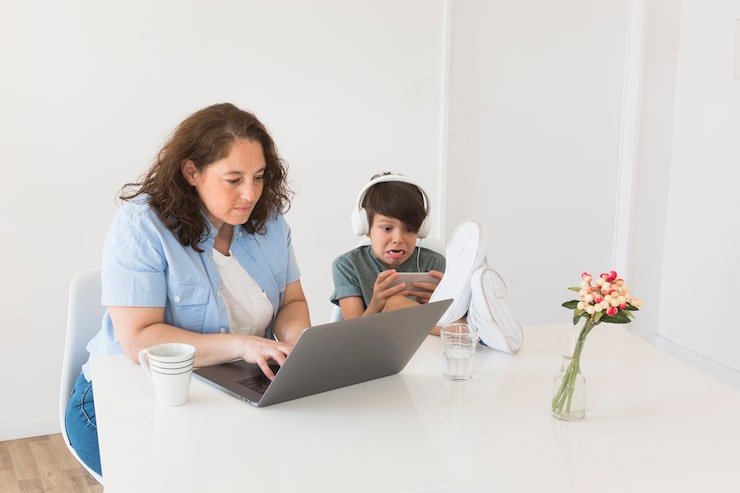
No matter how well you plan, life with kids is unpredictable. A sick child, a work emergency, or a missed bus can throw off even the best schedule.
Instead of stressing over every disruption, learn to adapt. Flexibility is one of the most valuable parenting skills.
When you handle change calmly, you model resilience — showing your kids that life doesn’t have to be perfect to be wonderful.
18. Reflect and Rebalance Regularly

Work-life balance isn’t something you achieve once — it’s something you continually adjust.
Take time each month to reflect:
- What’s working well?
- What’s causing stress?
- What can I change to make things smoother?
Small tweaks — like adjusting bedtime routines or setting new boundaries — can bring big improvements over time.
19. Focus on Gratitude

When life feels hectic, pausing to appreciate what’s good helps you stay grounded. Gratitude shifts your mindset from what’s missing to what’s meaningful.
End each day by naming one thing you’re thankful for — a smile from your child, a quiet moment, or something you accomplished at work.
Gratitude brings calm, clarity, and balance to even the busiest lives.
Conclusion
Finding work-life balance as a parent isn’t about splitting your time perfectly between work and home — it’s about being intentional with your time, energy, and focus.
When you set boundaries, prioritize what matters, and stay flexible, you create space for both professional success and personal fulfillment.
Most importantly, remember this: balance looks different for everyone, and it changes over time. Some days will be messy, and that’s okay. What counts is showing up with love, patience, and presence — for your work, your family, and yourself.