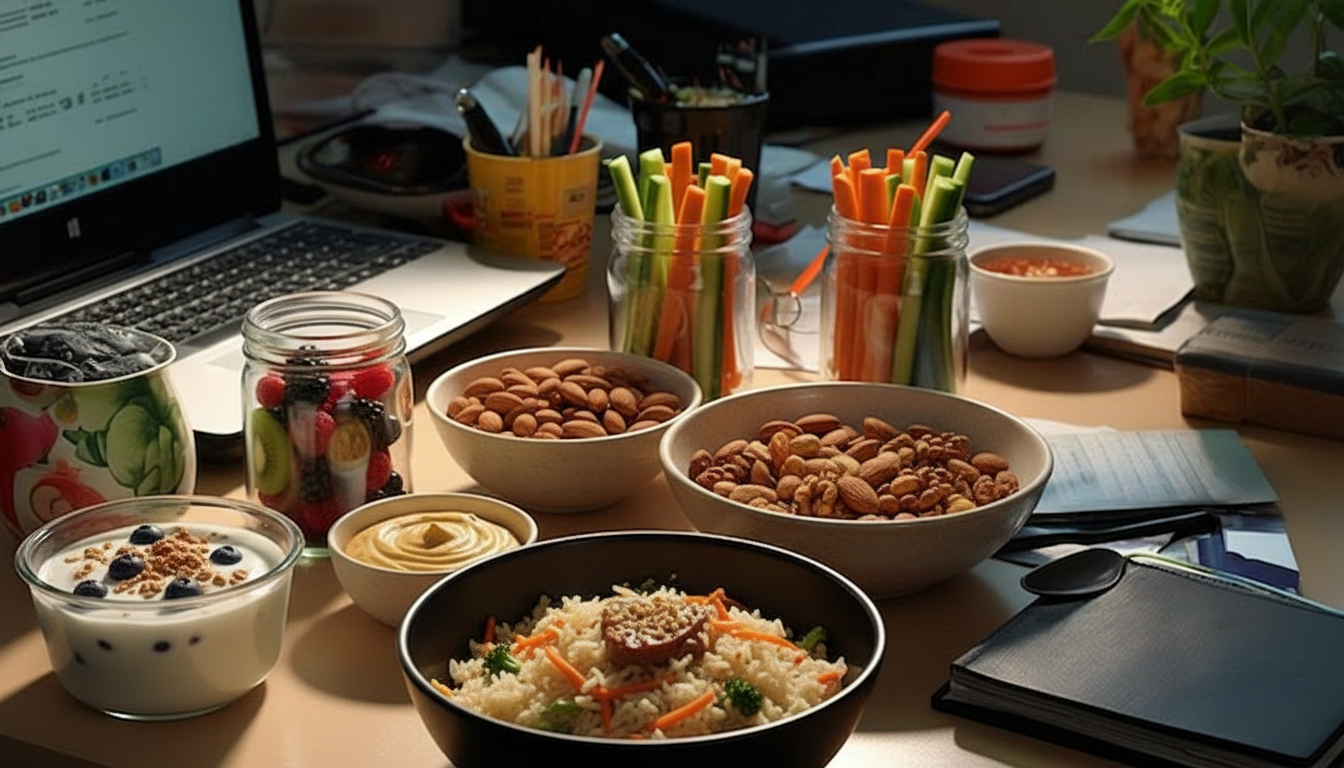
How to Plan Healthy Meals for the Whole Family
Feeding a family isn’t always easy — especially when everyone has different tastes, schedules, and nutritional needs. Between picky eaters, busy routines, and endless food choices, planning balanced meals can feel overwhelming.
But with a little organization and creativity, meal planning can make your life simpler, healthier, and even more enjoyable. Instead of last-minute stress about what’s for dinner, you’ll have a plan that saves time, money, and energy while ensuring everyone eats well.
This guide will walk you through smart, practical steps to plan healthy meals for your whole family, no matter how busy life gets.
1. Understand What a “Healthy Family Meal” Really Means

Before you start planning, it’s important to define what “healthy” looks like for your family. It doesn’t mean strict diets or expensive ingredients.
A balanced family meal should include:
- Protein: Chicken, fish, eggs, beans, lentils, or tofu for growth and energy.
- Whole grains: Brown rice, quinoa, oats, or whole-wheat pasta for sustained energy.
- Fruits and vegetables: A mix of colors for vitamins, minerals, and fiber.
- Healthy fats: Nuts, seeds, olive oil, and avocados for brain and heart health.
- Calcium-rich foods: Milk, yogurt, or fortified alternatives for strong bones.
The key is balance — not perfection. Aim for variety throughout the week rather than worrying about every single meal.
2. Get the Whole Family Involved
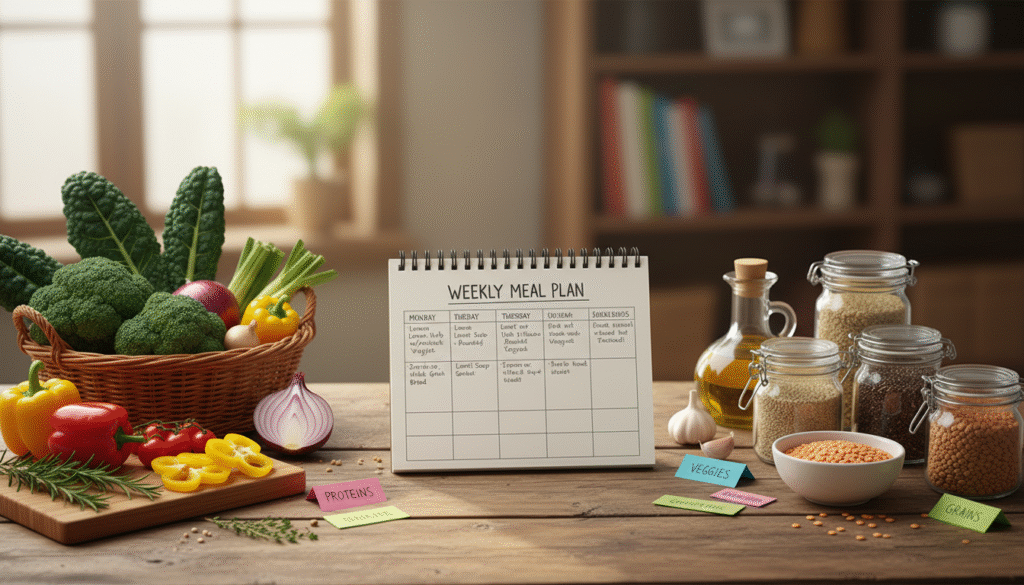
When everyone participates in meal planning, they’re more likely to enjoy the food and eat healthier.
Ways to involve your family:
- Ask each person to choose one dinner for the week.
- Let kids help pick vegetables or fruits at the grocery store.
- Encourage older children to help with meal prep or cooking.
- Have a family discussion about favorite healthy meals.
Involving kids teaches them valuable nutrition habits and gives them a sense of ownership. It also reduces mealtime complaints when they’ve had a say in what’s being served.
3. Plan Ahead with a Weekly Menu
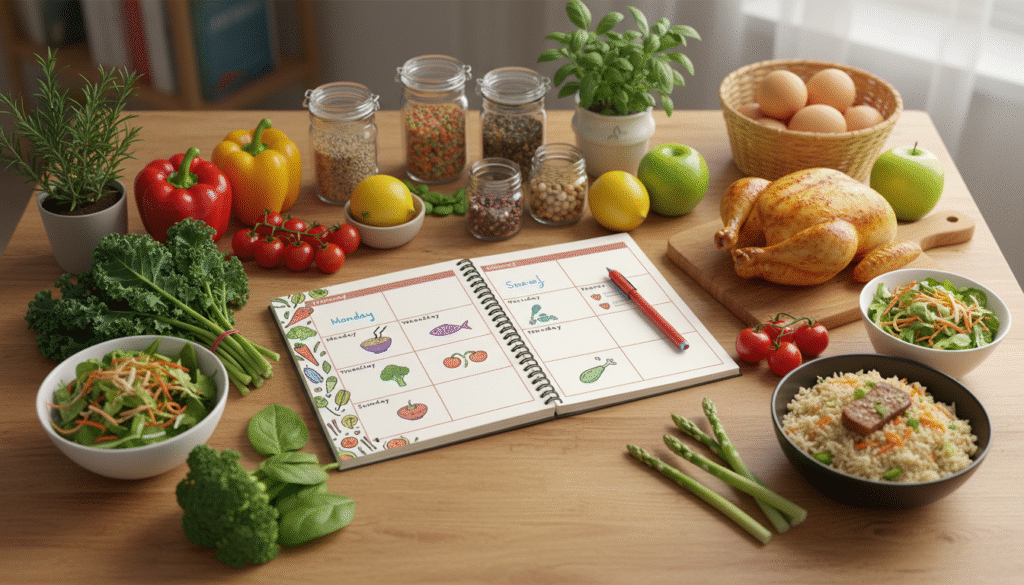
Creating a weekly meal plan is the smartest way to stay organized and reduce stress. It saves time, minimizes food waste, and ensures variety.
Steps to plan your weekly menu:
- Check your calendar. Note busy days when you’ll need quick meals or slow-cooker recipes.
- Plan dinners first. They’re often the most time-consuming, so build the rest of your meals around them.
- Add breakfasts, lunches, and snacks. Keep them simple and repeatable for ease.
- Make a shopping list based on your plan. Stick to it to avoid impulse buys.
You can use a notebook, planner, or even a whiteboard on the fridge to display your weekly menu so everyone knows what’s coming.
4. Keep a Rotation of Family Favorites
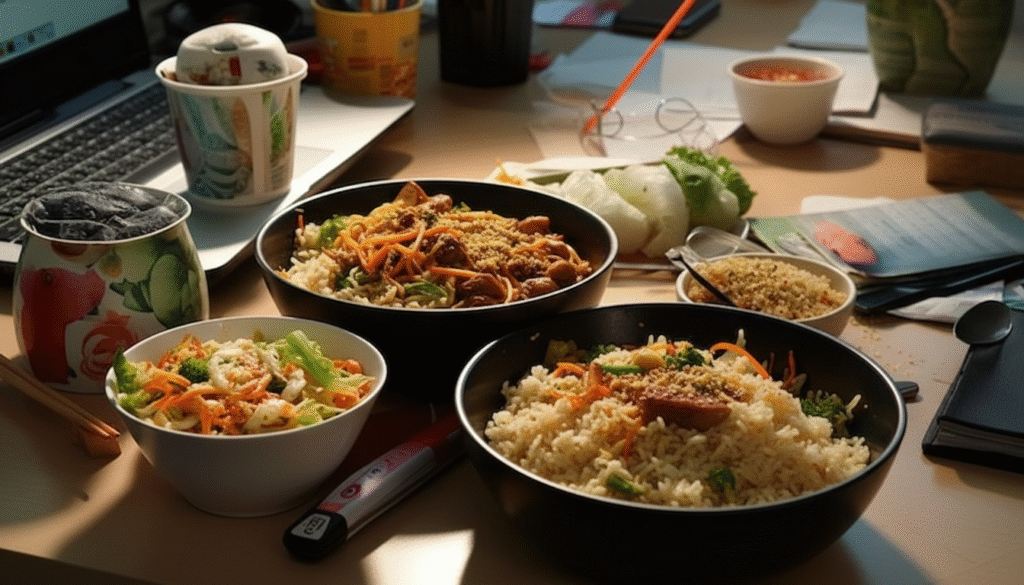
You don’t need to start from scratch every week. Having a list of go-to healthy meals makes planning faster and less stressful.
Examples of family-friendly meal ideas:
- Grilled chicken with brown rice and steamed veggies.
- Pasta with tomato sauce, lean ground turkey, and spinach.
- Veggie stir-fry with tofu and noodles.
- Baked fish with roasted potatoes and a green salad.
- Homemade tacos with beans, avocado, and salsa.
Rotate 10–12 favorite recipes and add a new one occasionally for variety. Familiar dishes save mental energy and make grocery shopping predictable.
5. Focus on Balance, Not Perfection
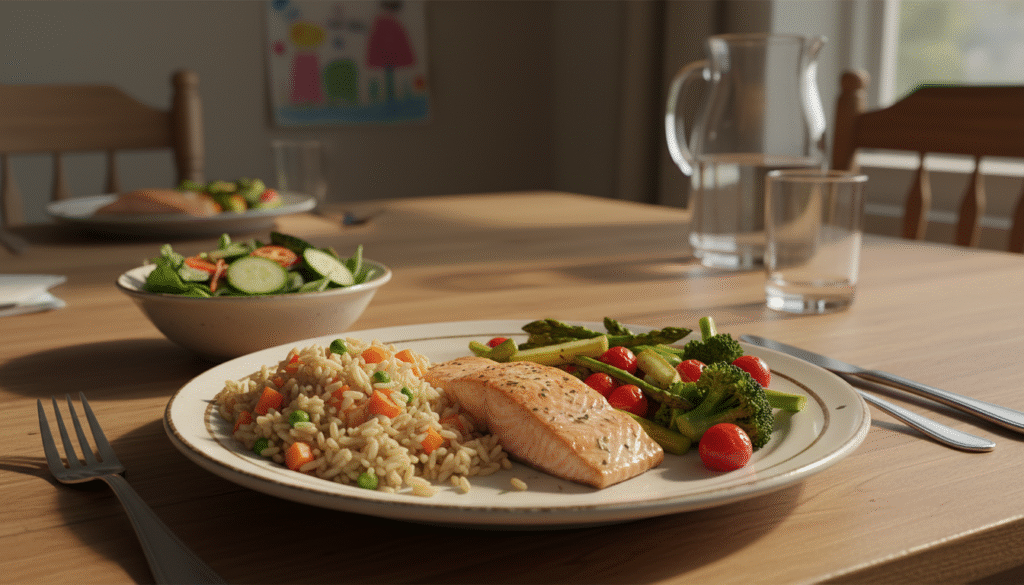
Many parents feel pressure to make every meal “super healthy,” but that’s not realistic. Some days will include frozen pizza or take-out — and that’s okay. What matters is the overall pattern of nutrition, not a single meal.
Follow the 80/20 rule:
- 80% of the time, focus on wholesome, balanced meals.
- 20% of the time, enjoy treats or convenience foods without guilt.
This approach teaches kids moderation instead of restriction — a mindset that lasts a lifetime.
6. Prep Smart, Not Hard
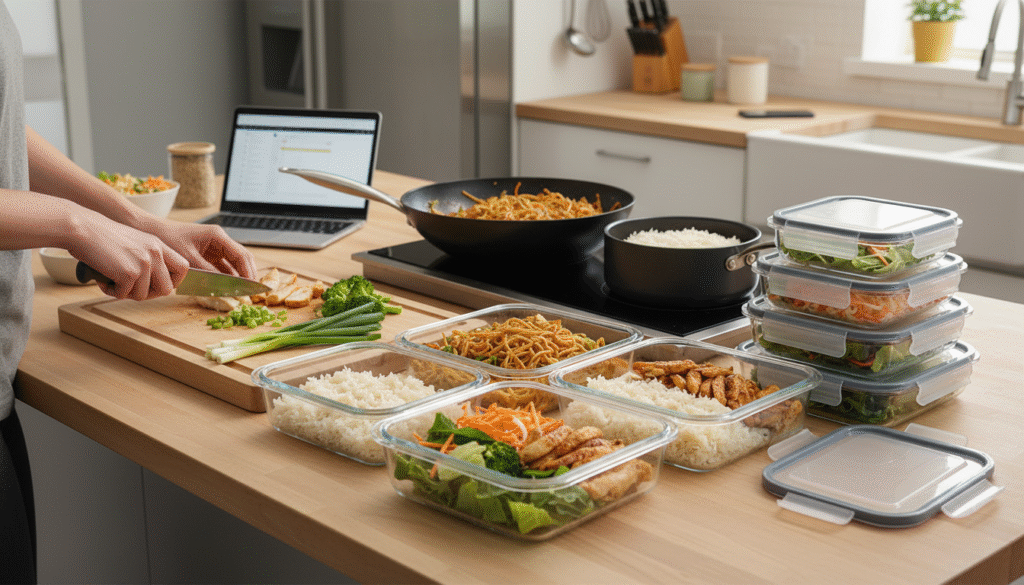
Meal prepping doesn’t have to mean spending your entire Sunday cooking. A few simple tricks can save you hours during the week.
Easy prep ideas:
- Wash and chop vegetables right after grocery shopping.
- Cook a batch of rice or quinoa and store it in the fridge.
- Marinate chicken or fish ahead of time and freeze in portions.
- Make overnight oats or yogurt parfaits for quick breakfasts.
- Pre-pack snacks like nuts, fruit, or cheese cubes for school lunches.
Small steps add up. A bit of planning now makes weekday meals much smoother later.
7. Make the Most of Leftovers
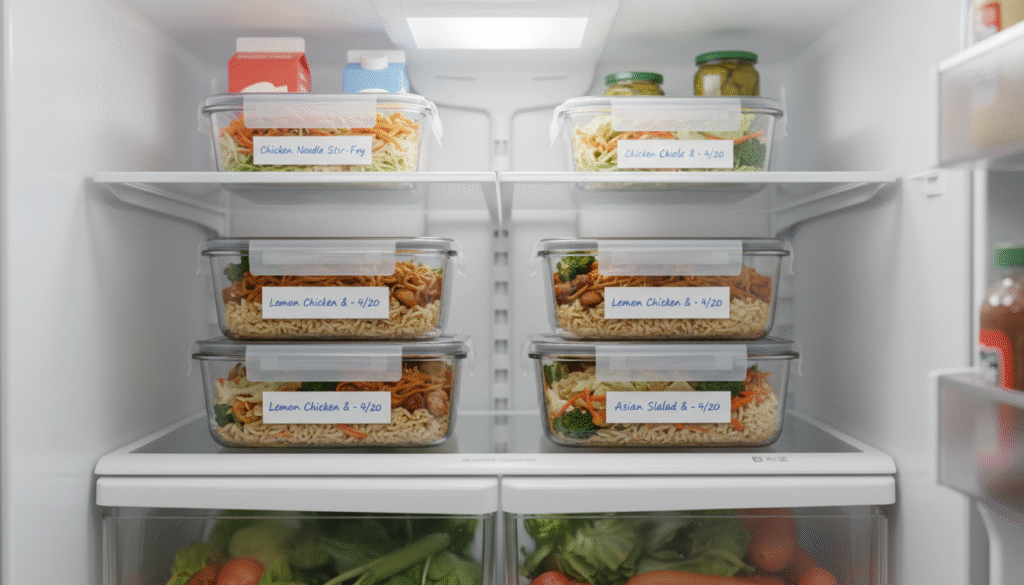
Leftovers are your secret weapon for stress-free family meals. They save time, money, and energy.
Creative ways to use leftovers:
- Turn roast chicken into sandwiches, wraps, or soup.
- Use extra rice for fried rice or burrito bowls.
- Transform roasted vegetables into omelets or pasta dishes.
- Freeze portions for quick lunches later.
By repurposing what’s already cooked, you reduce food waste and avoid cooking fatigue.
8. Keep Healthy Snacks Available
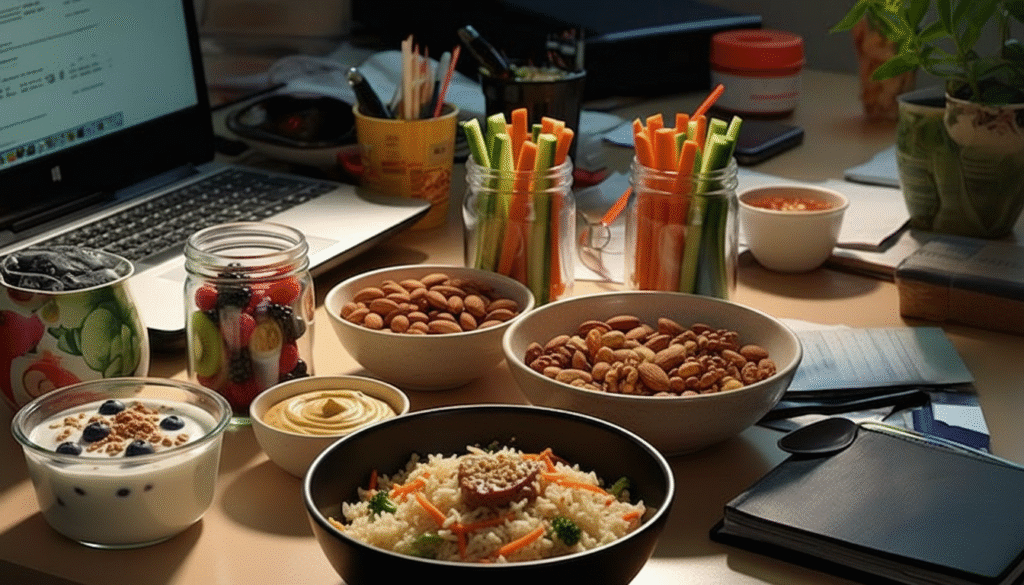
Busy families often rely on quick snacks to fill gaps between meals. Instead of processed options, stock up on healthy, easy-to-grab alternatives.
Smart snack ideas:
- Fresh fruit, trail mix, or yogurt.
- Whole-grain crackers with cheese or peanut butter.
- Sliced veggies with hummus.
- Homemade popcorn or energy bites.
Keeping nutritious snacks visible and accessible encourages kids to make better choices on their own.
9. Manage Picky Eaters with Patience

Every family has at least one picky eater, and mealtimes can turn into battles. But forcing or bribing rarely works — consistency and exposure do.
Tips to handle picky eating:
- Serve small portions of new foods alongside familiar favorites.
- Encourage tasting but avoid pressure.
- Make food fun — use colorful plates or let kids assemble their own tacos or salads.
- Keep offering rejected foods over time; tastes change.
Remember, it can take up to 10–15 tries for a child to accept a new food. Patience pays off.
10. Simplify Grocery Shopping
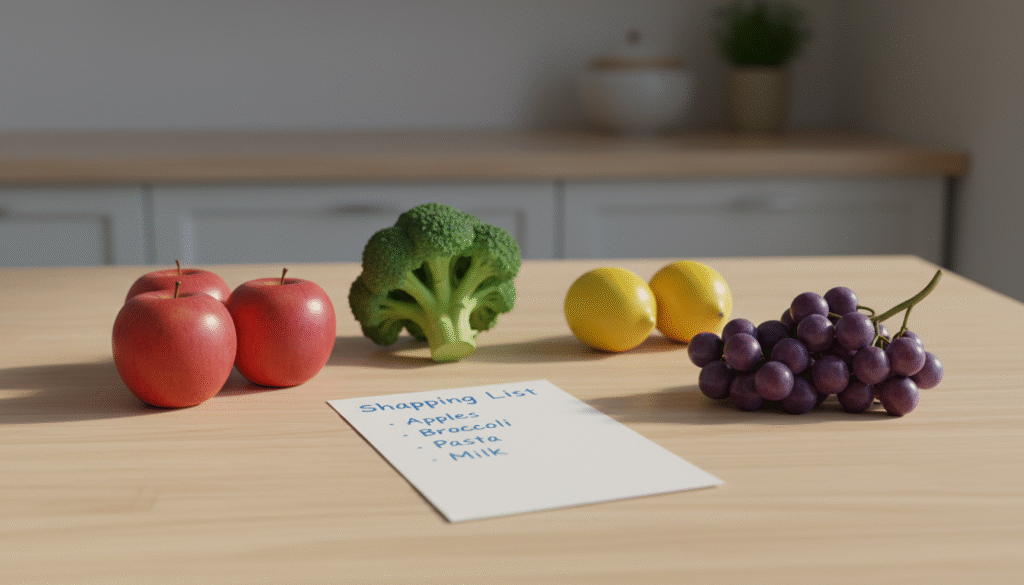
A smart meal plan makes grocery shopping easier and faster.
Tips for efficient shopping:
- Stick to your meal plan list.
- Shop the outer aisles first — that’s where fresh produce, dairy, and proteins are.
- Buy seasonal fruits and vegetables to save money and enjoy better flavor.
- Stock pantry staples like beans, grains, and canned tomatoes for backup meals.
Planning ahead means fewer store trips, less stress, and more nutritious choices.
11. Cook Once, Eat Twice
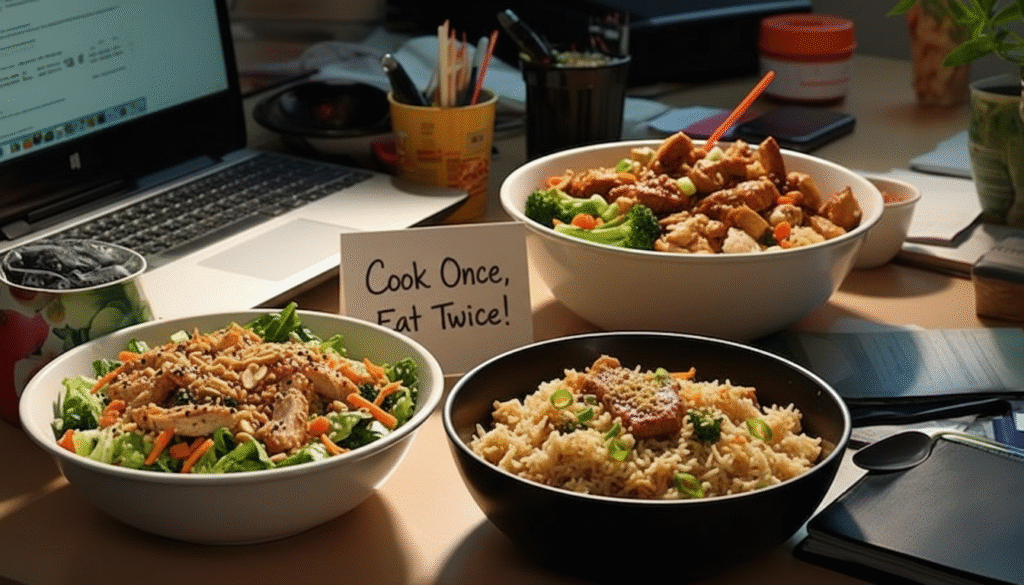
Batch cooking is a lifesaver for busy parents. When you make a meal, double the recipe so you can save half for another day.
Examples:
- Cook double the spaghetti sauce and freeze half.
- Bake extra chicken breasts for sandwiches or wraps.
- Make two casseroles and freeze one for a busy night.
This simple strategy means you always have a healthy meal ready when time is tight.
12. Keep Family Mealtime Screen-Free

It’s easy to let screens sneak into dinner time, but eating together without distractions strengthens family bonds and encourages mindful eating.
Turn off the TV, put phones aside, and focus on conversation. Encourage everyone to share highlights from their day.
This habit not only improves communication but also helps children develop healthier relationships with food.
13. Plan for Variety and Color
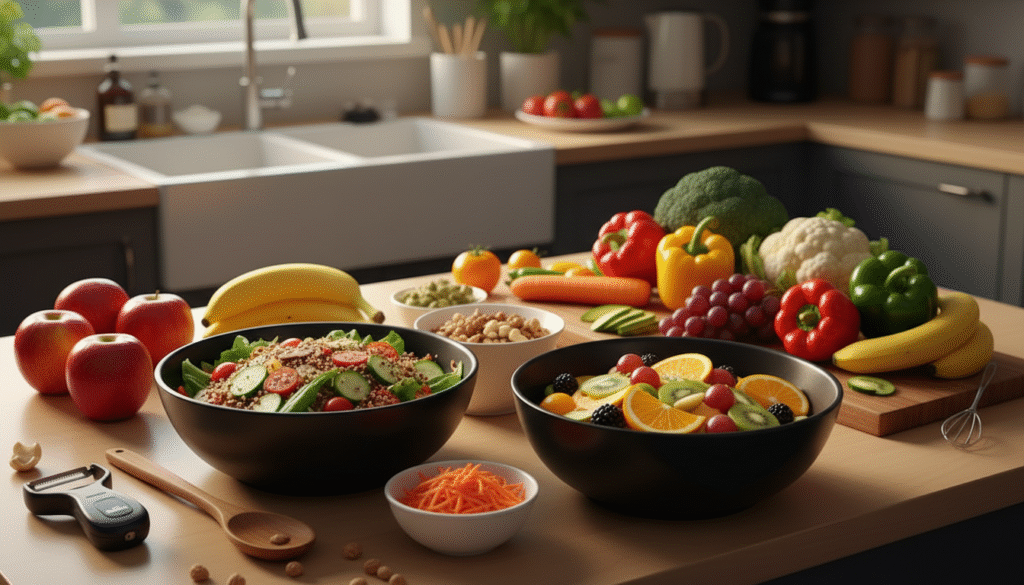
A colorful plate usually means a nutritious one. Encourage kids to “eat the rainbow” by including different fruits and vegetables.
For example:
- Red: Tomatoes, strawberries, bell peppers.
- Green: Broccoli, spinach, peas.
- Yellow: Corn, pineapple, squash.
- Orange: Carrots, sweet potatoes, oranges.
Variety ensures a wide range of nutrients and keeps meals visually appealing.
14. Teach Kids About Nutrition in Fun Ways
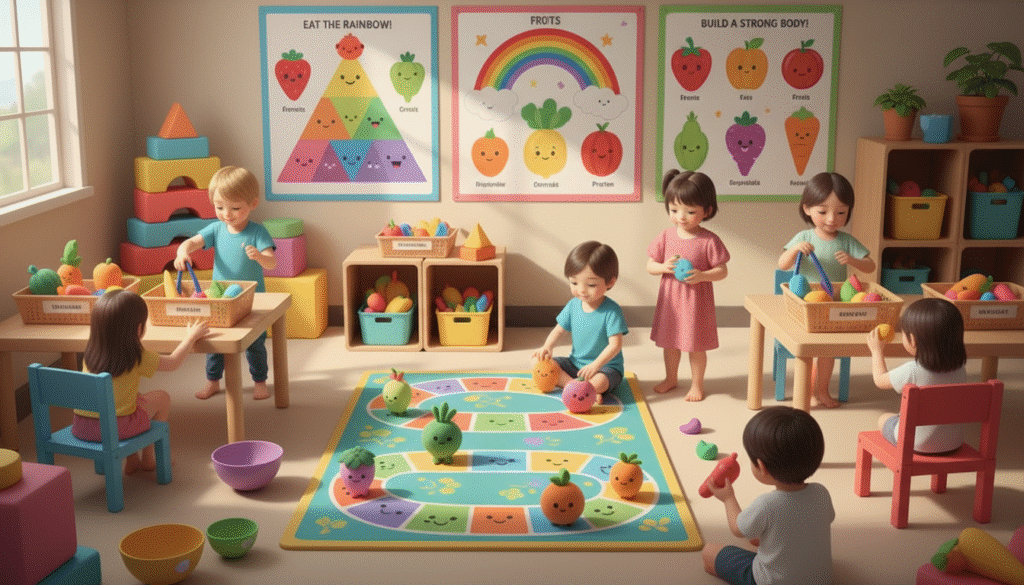
Kids are more likely to eat healthy when they understand why it’s good for them.
Fun learning ideas:
- Talk about “superhero foods” that help them grow strong or boost energy.
- Let them help read nutrition labels at the store.
- Do a “food rainbow challenge” to see how many colors they can eat in a week.
The goal is to make healthy eating exciting, not a chore.
15. Don’t Forget Hydration
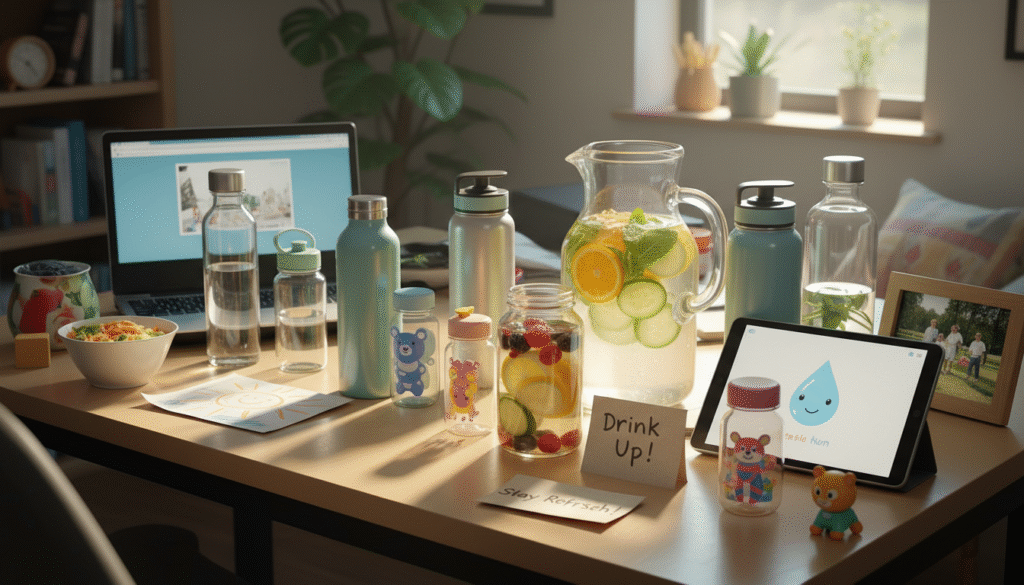
Many families overlook hydration when talking about nutrition. Encourage everyone — especially kids — to drink enough water throughout the day.
Tips to make it easy:
- Keep reusable water bottles filled and visible.
- Add slices of lemon, cucumber, or berries for natural flavor.
- Limit sugary drinks to special occasions.
Staying hydrated helps with energy, focus, and overall health.
16. Make Mealtime Positive and Relaxed

A stressful environment can make even healthy food unappealing. Keep mealtime pleasant and pressure-free.
Avoid arguments over food. Instead, praise small steps — like trying a new vegetable or finishing a balanced plate.
When eating feels enjoyable, kids develop healthier habits naturally.
17. Adjust for Different Ages and Needs
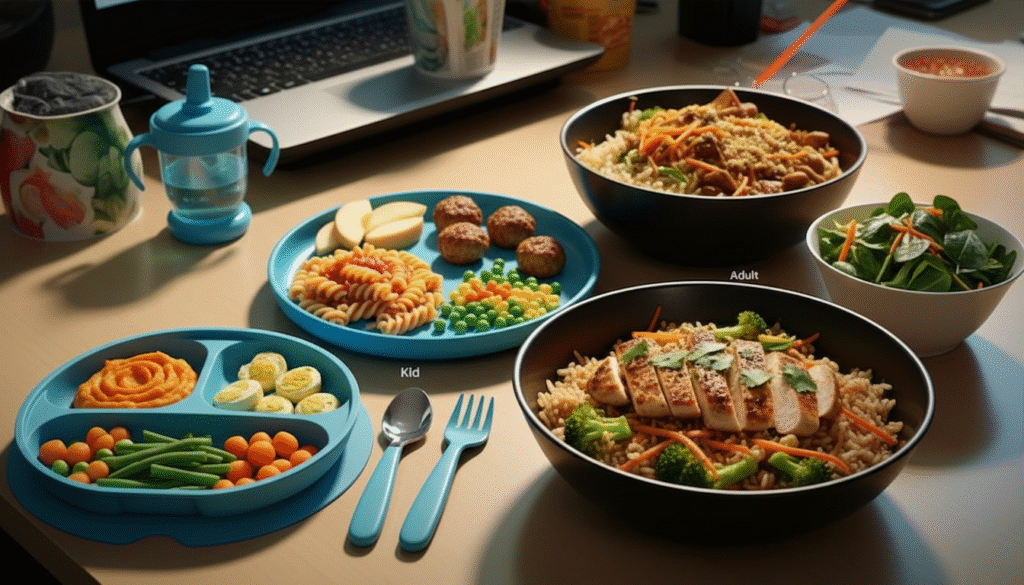
Every family member has unique nutritional needs based on age, activity, and health.
Simple adjustments:
- Young kids need smaller portions and softer textures.
- Teens need more protein and calories for growth.
- Adults should balance portions and focus on fiber-rich foods.
- Seniors benefit from lighter, easy-to-digest meals.
With minor tweaks, the same meal can nourish everyone at the table.
18. Keep a Backup Plan for Busy Days
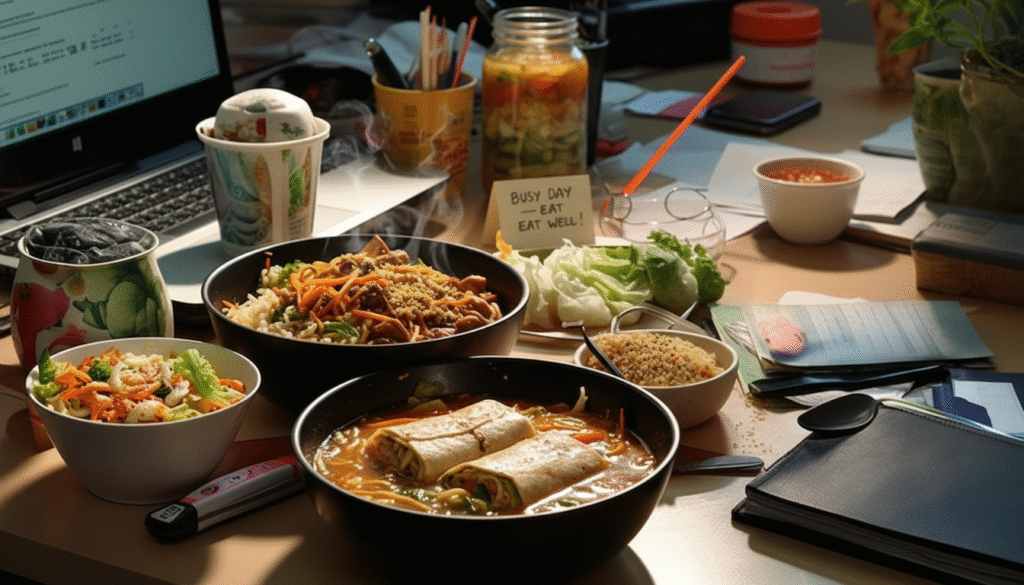
Even the best plans can fall apart — late meetings, sick kids, or unexpected errands happen. That’s when a healthy backup plan saves you from resorting to fast food.
Quick backup ideas:
- Whole-grain sandwiches with veggies and lean protein.
- Omelets or scrambled eggs with toast.
- Frozen veggies and pre-cooked rice for a 10-minute stir-fry.
- Soup and salad combinations.
Keep a few staples ready so you can whip up something quick and nutritious anytime.
Conclusion
Healthy family meals don’t have to be complicated or time-consuming. With a bit of planning, organization, and flexibility, you can feed your family nourishing food while saving time and reducing stress.
The secret lies in small, consistent habits — meal planning, smart prepping, and involving your family every step of the way. Remember, healthy eating isn’t about perfection; it’s about progress and balance.
When you make food a joyful, shared experience, your children learn to love real food, and your family grows stronger — one meal at a time.