How to Dress Your Baby Warm and Cozy This Winter
Winter brings cozy blankets, soft sweaters, and adorable baby outfits. But for parents, it also brings an important question — how can you keep your baby warm, safe, and comfortable without overheating them?
Babies are more sensitive to temperature changes than adults. Their bodies lose heat faster, and they can’t regulate body temperature as efficiently. That’s why dressing your baby properly in winter requires balance — enough layers to protect from the cold but not so many that they feel hot or restless.
In this article, we’ll walk you through practical, safe, and smart ways to dress your baby warmly and comfortably during winter — both indoors and outdoors.
Understanding How Babies Feel Cold
Before deciding how many layers your baby needs, it’s important to understand how their body reacts to temperature.
Newborns and infants don’t shiver the way adults do. Instead, they lose heat through their heads, hands, and feet. That’s why a baby might feel warm on the chest but still have cold hands or feet.
A simple rule many pediatricians recommend is: Dress your baby in one more layer than you are wearing.
For example, if you’re comfortable in a shirt and sweater, your baby might need a onesie, a sleep-suit, and a blanket.
Always check your baby’s temperature by touching their chest or back — not their hands or feet. If they feel too hot or sweaty, remove a layer.
1. Choose the Right Base Layer

The base layer is the most important part of your baby’s winter outfit because it sits directly on the skin. It should be soft, breathable, and moisture-wicking to prevent sweat from making your baby cold.
Best options for base layers:
- Cotton onesies or bodysuits — gentle on baby skin and easy to layer.
- Organic cotton or bamboo fabric — breathable and perfect for sensitive skin.
- Thermal onesies — ideal for extra cold climates, but avoid synthetic fabrics that trap moisture.
Avoid overly tight clothing, as it can restrict movement and reduce comfort. Always choose snug but flexible fits that allow your baby to move freely.
2. Add a Warm Middle Layer
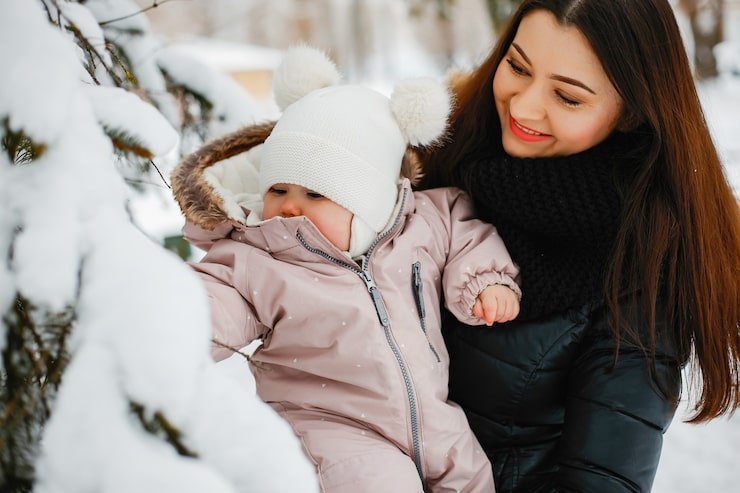
Once your baby has a soft base layer, the next step is the middle layer, which provides insulation and warmth. This layer helps trap heat without overheating your little one.
Best options for the middle layer:
- Fleece sleepers or zip-up pajamas.
- Knitted sweaters or lightweight cardigans.
- Soft cotton sleep-suits with footies for nighttime warmth.
If you’re dressing your baby for sleep, make sure the middle layer isn’t too bulky. Babies sleep best in fitted sleepwear rather than loose blankets or heavy clothing.
3. Finish with an Outer Layer for Outdoor Time
When you take your baby outside — whether it’s a quick walk, a visit to the doctor, or a family outing — the outer layer protects them from wind, rain, and cold air.
Best outer layer choices:
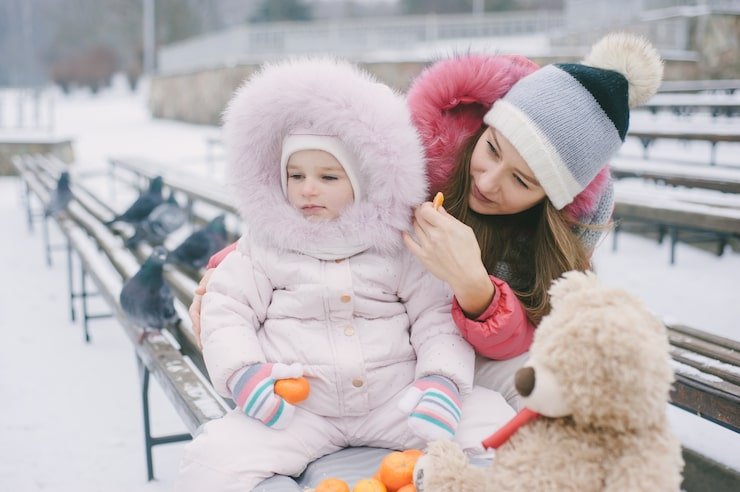
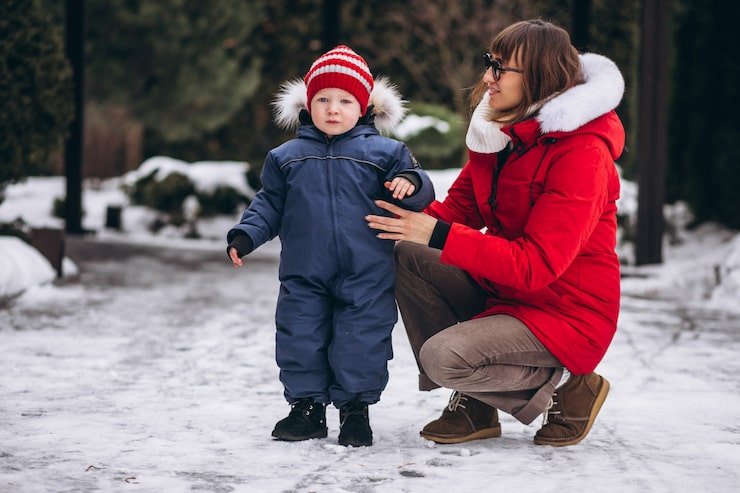
- Baby snowsuits — perfect for extremely cold areas; look for ones with detachable mittens and booties.
- Warm jackets or coats — for milder winters, choose a lightweight insulated coat that’s easy to remove.
- Bunting bags or stroller covers — ideal for newborns; they keep the baby warm without heavy clothing.
Make sure the outer layer isn’t too tight, especially around the neck or wrists. It should be comfortable enough to move and breathe easily.
4. Keep the Head, Hands, and Feet Covered
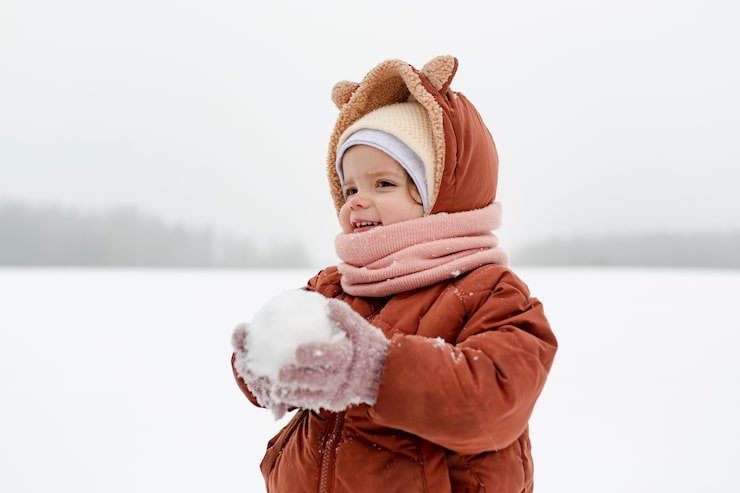
Most body heat escapes through the head and extremities, so keeping your baby’s head, hands, and feet warm is crucial.
Head:
A soft, fitted baby hat made of cotton or wool blend keeps their head warm. For newborns, use hats indoors only if the room is cold — otherwise, they can overheat.
Hands:
Mittens prevent both cold and scratching. Choose cotton or fleece mittens with gentle elastic cuffs.
Feet:
Socks or booties are a must, even indoors. For very cold areas, use fleece-lined socks or wool booties. If your baby is in a sleep-suit with feet, additional socks usually aren’t needed.
5. Dress for Indoor Comfort
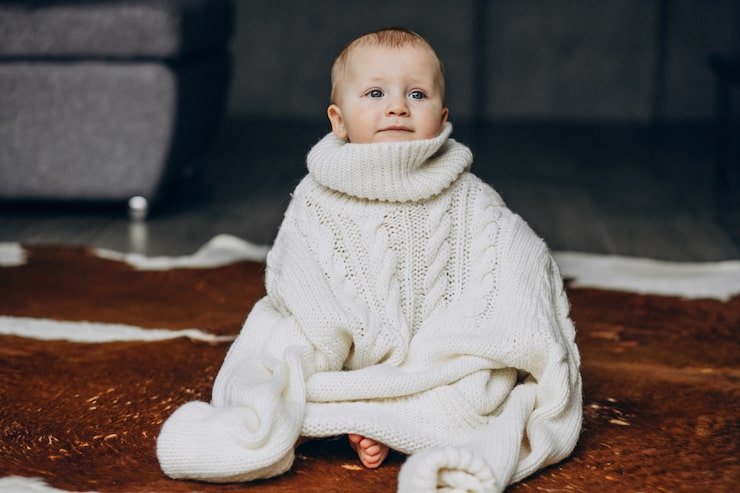
Many parents worry so much about cold weather that they over-bundle their babies indoors. However, homes are usually heated in winter, so too many layers can make babies sweaty and uncomfortable.
Tips for dressing your baby indoors:
- A single onesie and a sleep-suit or footed pajama are usually enough.
- Keep the room temperature between 20–22°C (68–72°F) for comfort.
- Avoid using space heaters directly near the crib or bed.
- Use wearable blankets or sleep sacks instead of loose blankets for naps and bedtime.
Your baby’s chest or back should feel warm, not hot or sweaty.
6. Prepare for Outdoor Outings Safely
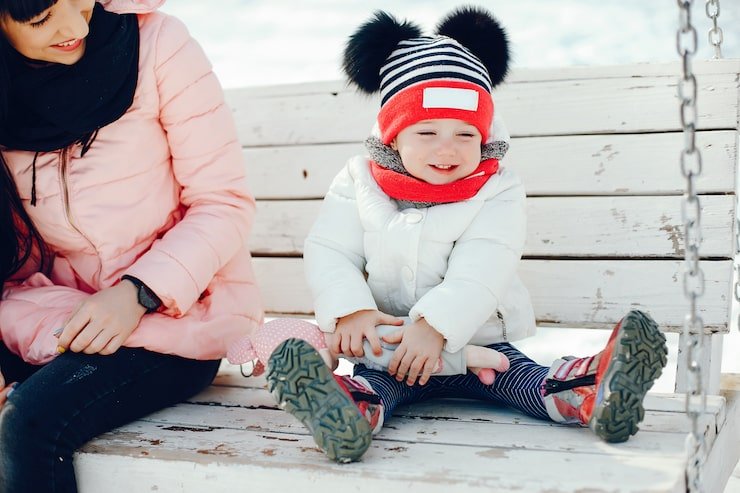
Going outside with your baby in winter can be refreshing if done carefully. Whether you’re heading for a short walk or running errands, the key is layering and easy adjustments.
Before heading out:
- Dress your baby in a base, middle, and outer layer.
- Use a blanket or stroller cover for extra warmth.
- Avoid overdressing inside the car seat — heavy coats can be unsafe because they affect the seatbelt fit.
Car seat safety tip:
Instead of strapping your baby in with a puffy coat, buckle them in with regular layers and then place a warm blanket over the straps. This keeps them safe and warm.
7. Watch for Signs of Overheating or Chilling
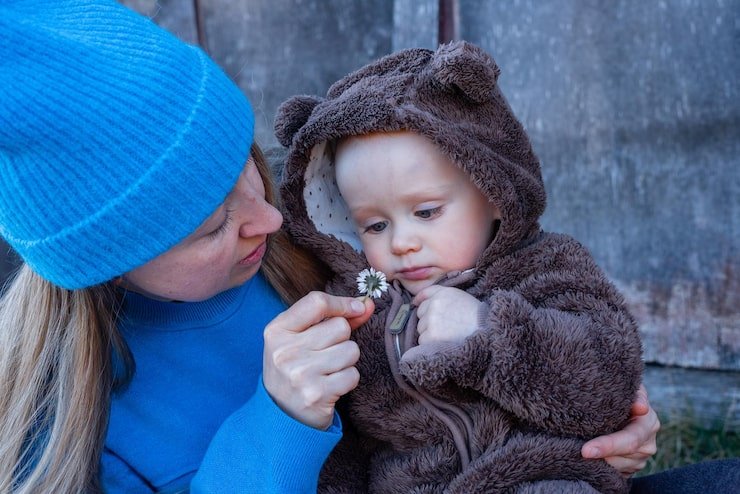
Babies can’t tell you when they feel hot or cold, so parents need to watch for physical signs.
Signs your baby is too cold:
- Cold hands, feet, or nose.
- Pale or bluish skin.
- Shivering or fussiness.
Signs your baby is too hot:
- Sweating or damp hair.
- Flushed cheeks.
- Rapid breathing or restlessness.
If your baby shows signs of discomfort, adjust the layers immediately.
8. Nighttime Dressing for Winter Sleep
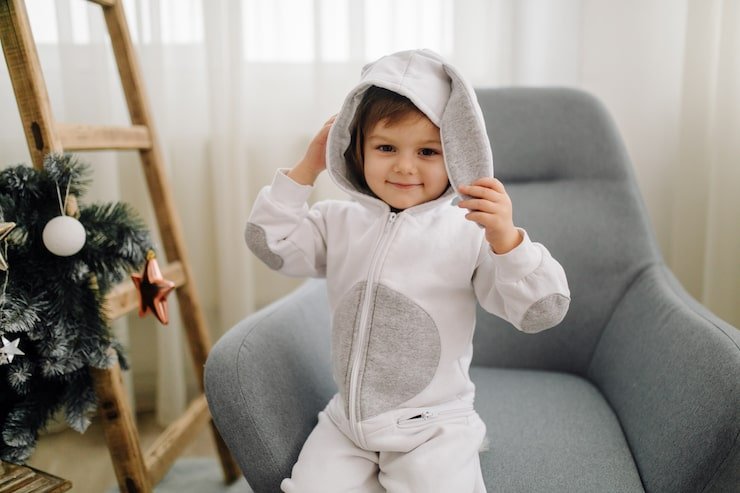
Sleep safety in winter can be tricky. Parents want to keep babies warm but must also follow safe-sleep guidelines to prevent overheating.
Safe nighttime dressing tips:
- Dress your baby in fitted sleepwear — a cotton onesie and a warm sleep-suit or fleece pajama.
- Avoid using loose blankets, pillows, or quilts in the crib.
- Use a sleep sack (wearable blanket) for added warmth and safety.
- Keep the room comfortably warm — not hot.
If your baby’s neck or chest feels sweaty, remove a layer or lower the room temperature.
9. Choose Fabrics Wisely
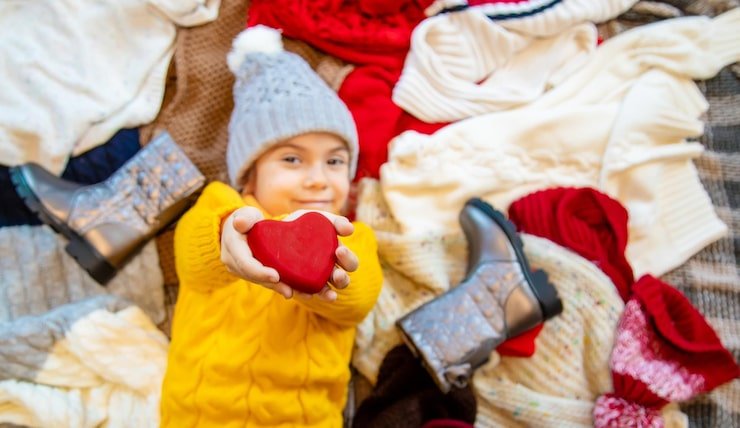
Fabric choice makes a big difference in comfort. Babies have delicate skin, and certain materials can cause irritation or overheating.
Best baby-friendly fabrics for winter:
- Cotton: Soft, breathable, and natural. Perfect for base layers.
- Fleece: Lightweight yet warm. Ideal for outer or middle layers.
- Wool blends: Keep in warmth but ensure they’re soft and non-itchy.
- Bamboo fabric: Hypoallergenic and moisture-wicking — great for sensitive skin.
Avoid synthetic fabrics like polyester against the skin. They can trap heat and moisture, causing rashes.
10. Layer for Flexibility
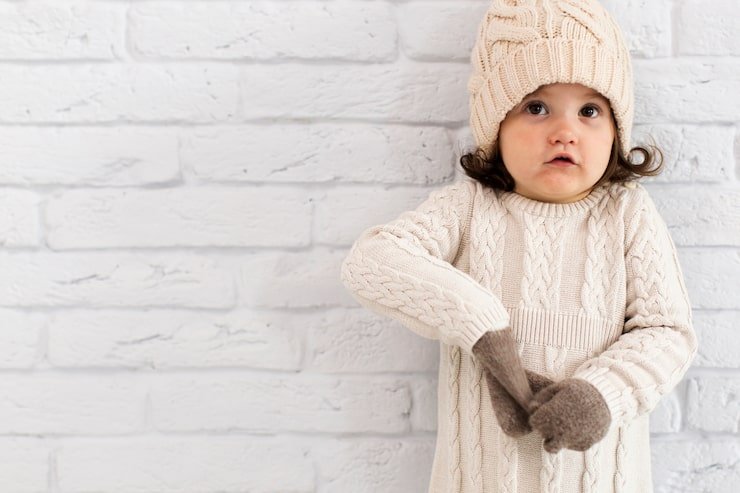
The best part about layering is flexibility. As temperatures change throughout the day — for example, when moving between home, car, and outdoors — you can easily remove or add layers as needed.
Practical layering approach:
- Indoors: Base layer + light sleeper.
- Outdoor errands: Add a sweater or jacket.
- Long walks: Add an outer layer and hat.
Keep a lightweight blanket in your diaper bag to adjust warmth anytime.
11. Keep Blankets and Bedding Safe
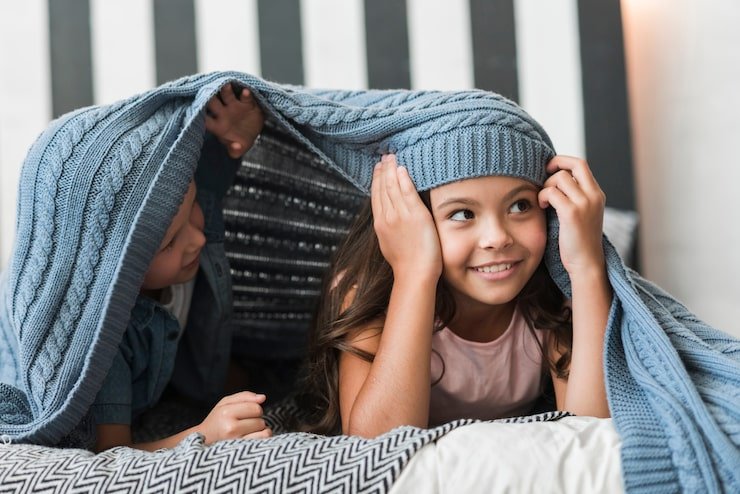
Many parents love wrapping their baby in soft blankets, but it’s important to follow safety rules.
- Never use loose blankets in a crib. They can cover the baby’s face accidentally.
- Instead, use sleep sacks or swaddle wraps designed for winter.
- If you’re using a stroller blanket, make sure it stays below the baby’s shoulders.
Safety and comfort should always go hand in hand.
12. Keep Practical Extras Ready
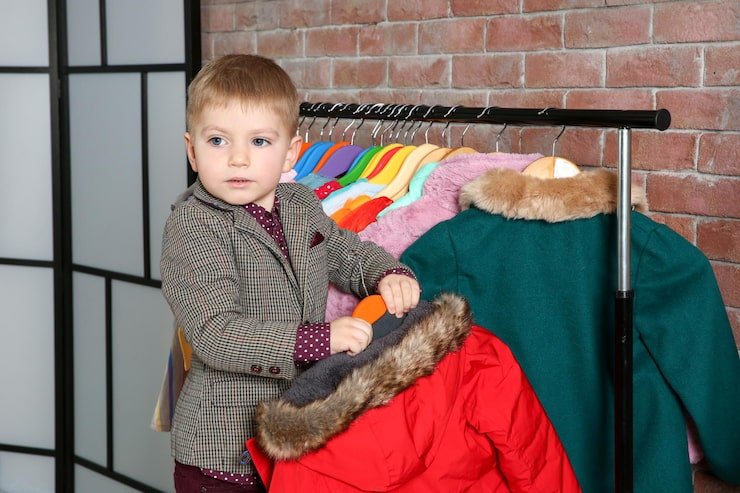
Winter outings with a baby can be unpredictable. Always be prepared with a few essentials in your diaper bag:
- Extra socks and mittens.
- A spare hat.
- A lightweight blanket.
- A change of clothes in case of spills or diaper leaks.
Being prepared saves stress and keeps your baby cozy wherever you go.
Conclusion
Dressing your baby for winter doesn’t have to be complicated. The key is layering smartly, using breathable fabrics, and checking for comfort often.
Your baby should always feel warm but never overheated. A cozy, happy baby means peaceful naps, easier outings, and a calmer winter for everyone.
So this season, keep it simple: soft layers, safe sleepwear, and a lot of love. With these small steps, you’ll make sure your little one stays warm, safe, and snug all winter long — while looking absolutely adorable.