Smart Ways to Keep Your Kids Healthy This Winter
Winter is a beautiful season filled with cozy sweaters, warm soups, and family time. But for parents, it can also bring a new set of challenges. Cold temperatures, shorter days, and increased exposure to viruses make it harder to keep kids healthy.
Children are more likely to catch colds, the flu, and other infections during winter because their immune systems are still developing. The drop in temperature can also affect their mood, appetite, and sleep routines.
The good news is that with a few smart habits and simple adjustments, parents can protect their children from most winter-related health problems. This article shares effective, practical, and science-backed ways to help your kids stay healthy, happy, and strong all season long.
1. Strengthen Their Immune System Naturally

A strong immune system is your child’s best defense against seasonal illnesses. Instead of relying only on supplements, focus on building immunity through nutrition, rest, and daily habits.
Practical ways to boost immunity:
- Add colorful fruits and vegetables like oranges, carrots, spinach, and bell peppers to their meals. These are rich in vitamins A and C, which support the immune system.
- Include protein sources such as eggs, fish, chicken, and lentils to promote body repair and growth.
- Offer warm soups made with vegetables and bone broth — they are easy to digest and full of nutrients.
- Encourage daily outdoor time for sunlight exposure, even for 15–20 minutes, to help with vitamin D production.
A diet filled with seasonal produce and balanced nutrition helps children fight infections more effectively.
2. Keep Them Properly Warm — But Not Overheated
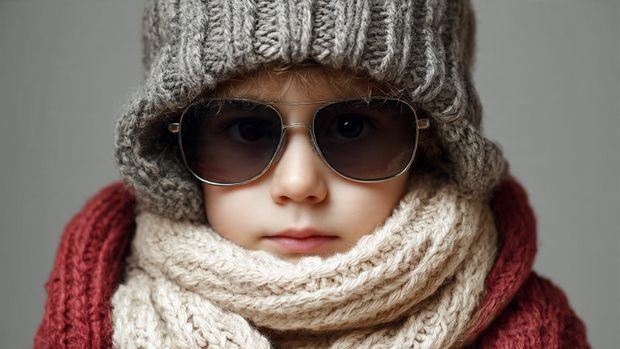
Parents often make the mistake of overdressing their children in winter, which can make them sweaty and uncomfortable. The trick is smart layering — enough warmth to protect them without restricting movement.
How to dress your kids smartly:
- Start with a soft cotton or thermal inner layer that keeps moisture away.
- Add a warm middle layer like a fleece jacket or sweater.
- Finish with an outer waterproof or windproof layer.
- Don’t forget a cap, gloves, and socks, as most body heat is lost from the head and feet.
Remove extra layers when indoors to prevent overheating. Comfortable kids are happier and more active.
3. Focus on Hydration — Even in the Cold

Many parents forget that hydration is just as important in winter as it is in summer. Kids may not feel thirsty when it’s cold, but their bodies still need water to stay healthy and fight off illness.
Easy ways to keep kids hydrated:
- Offer warm drinks like herbal tea, milk, or light soups throughout the day.
- Keep a water bottle handy and remind them to sip regularly.
- Add natural flavors like lemon or honey to make water more appealing.
Proper hydration supports digestion, improves energy, and keeps the skin healthy even in dry winter air.
4. Encourage Active Play Indoors and Outdoors
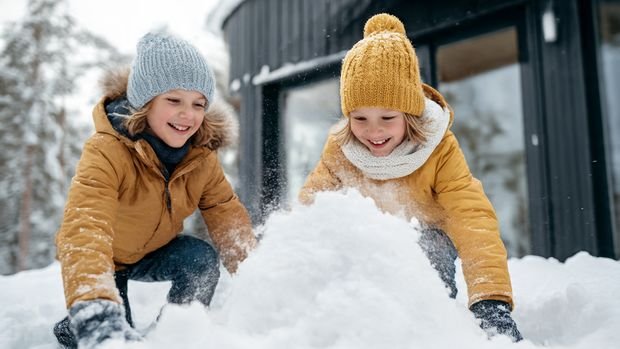
Cold weather often limits outdoor play, but keeping kids active is essential for their physical and mental health. Lack of movement can lead to boredom, irritability, and low immunity.
Ideas for indoor activities:
- Turn on music and have a dance session.
- Build an indoor obstacle course with cushions and chairs.
- Play family board games or organize a scavenger hunt.
Outdoor activity tips:
- Let them play outdoors during mid-morning or early afternoon when it’s warmer.
- Dress them properly in layers.
- Avoid overly windy or wet days.
Even short play sessions in fresh air help improve blood circulation, mood, and sleep quality.
5. Prioritize Quality Sleep
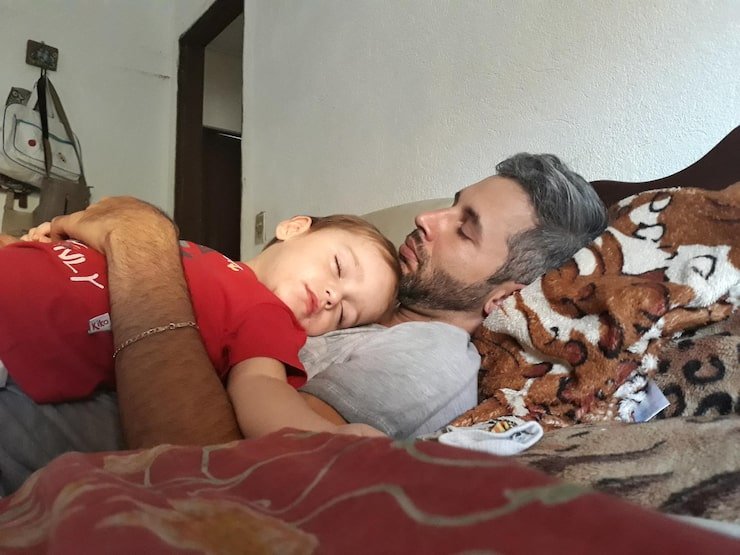
Good sleep is the foundation of good health. During winter, early sunsets and cozy blankets can disrupt normal sleep patterns, especially if kids spend more time on screens.
Tips to ensure proper sleep:
- Maintain a consistent bedtime routine.
- Avoid TV or mobile use one hour before bed.
- Create a warm and quiet sleep environment.
- Serve warm milk or read a bedtime story to help them relax.
Children need 9–11 hours of sleep each night. Quality rest helps their bodies recover and strengthens immunity.
6. Maintain Good Hygiene Habits

Winter viruses spread easily, especially in schools and crowded indoor places. Teaching your children basic hygiene habits can make a big difference in preventing illness.
Simple hygiene rules:
- Wash hands with soap before eating and after playing.
- Cover mouth and nose with a tissue when sneezing or coughing.
- Avoid sharing towels, utensils, and water bottles.
- Keep nails trimmed and clean.
Parents can make hygiene fun by using colorful soaps, singing songs during handwashing, or creating reward charts.
7. Keep Their Diet Warm and Balanced

Food plays a major role in keeping kids strong during the cold months. Warm, nutrient-rich meals provide energy and comfort.
Healthy winter food ideas:
- Serve seasonal vegetables like carrots, sweet potatoes, and peas.
- Add dry fruits such as almonds, dates, and walnuts for natural energy.
- Prepare soups and stews with chicken, lentils, and vegetables.
- Avoid too many sugary snacks that lower immunity.
Including a variety of foods keeps meals interesting while ensuring children get essential vitamins and minerals.
8. Prevent Dry Skin and Chapped Lips
Winter air can make children’s skin dry and itchy. Taking care of their skin helps them stay comfortable and prevents rashes or irritation.
Skin-care tips for kids:
- Use a gentle moisturizer after bathing.
- Apply lip balm regularly to prevent cracked lips.
- Avoid overly hot water during baths as it dries out the skin.
- Dress them in soft, breathable fabrics to reduce irritation.
Simple skin care routines can keep your child’s skin soft and healthy throughout the season.
9. Watch Out for Early Signs of Illness
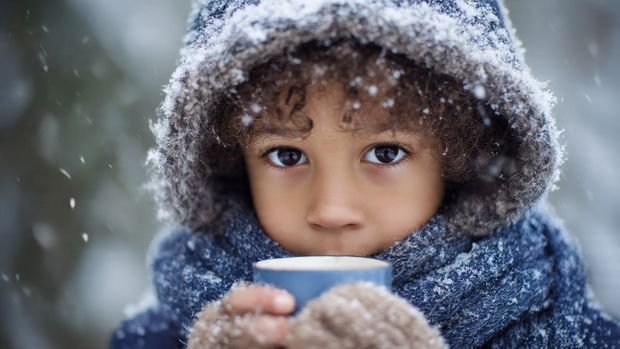
Even with precautions, children may occasionally fall sick during winter. What matters most is recognizing the symptoms early and acting quickly.
Common signs to look for:
- Fever lasting more than two days
- Persistent cough or sore throat
- Unusual tiredness or loss of appetite
- Difficulty breathing
If these symptoms appear, consult your doctor promptly instead of waiting for them to worsen. Early treatment reduces recovery time and prevents complications.
10. Create a Happy and Positive Environment

Physical health and emotional well-being go hand in hand. Winter can sometimes make children feel gloomy due to shorter days and less sunlight. Parents can help by creating a cheerful atmosphere at home.
Simple ways to lift their mood:
- Play soft music in the background.
- Decorate your home with warm lights or family photos.
- Plan cozy movie nights or story sessions.
- Encourage them to express their feelings through drawing or writing.
A positive emotional environment strengthens children’s confidence and makes them feel secure, which indirectly supports physical health.
11. Stay Consistent with Health Checkups

Many parents skip regular checkups during winter, assuming minor symptoms will go away on their own. But routine visits to the pediatrician are important for monitoring growth, immunity, and nutrition.
Use these visits to:
- Review your child’s vaccination schedule.
- Discuss any recurring health issues or allergies.
- Get advice on supplements if needed, such as vitamin D.
Preventive care is always easier and more effective than dealing with a major illness later.
12. Teach by Example
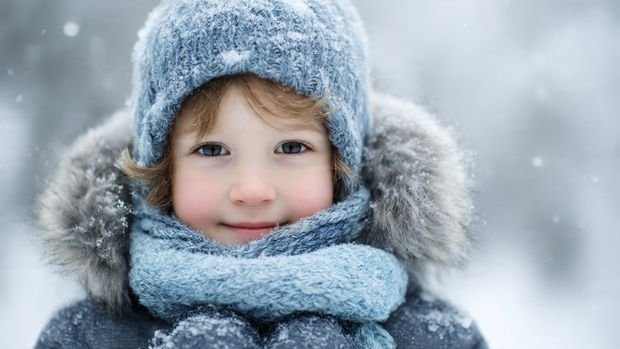
Children learn by observing their parents. If you practice good health habits, they are more likely to follow them naturally.
Let your kids see you eating healthy meals, washing your hands, drinking enough water, and going for walks. Make health a family value instead of a set of rules.
Leading by example not only keeps the household healthy but also builds lifelong habits for your children.
Conclusion
Winter doesn’t have to mean constant colds, cranky moods, or endless sick days. By planning ahead and following these smart tips, you can keep your kids healthy and happy throughout the season.
Focus on nutritious meals, proper rest, daily activity, and emotional warmth. Maintain routines, stay positive, and always be alert for signs of illness.
Healthy children are joyful children — and with a little effort, winter can become a time of warmth, laughter, and family bonding instead of stress.
When you balance care with consistency, your kids will not only stay strong during winter but also build healthy habits that last a lifetime.