Winter is a wonderful season filled with cozy blankets, warm soups, and family bonding. But for parents, it can also be a challenging time. When the temperature drops, keeping children healthy, active, and cheerful becomes a real task. Cold weather can bring sniffles, boredom, and cranky moods if not managed smartly.
In this article, we’ll explore smart parenting tips that will help you keep your kids healthy, happy, and full of energy even during the chilliest months of the year.
Why Cold Weather Affects Kids So Much
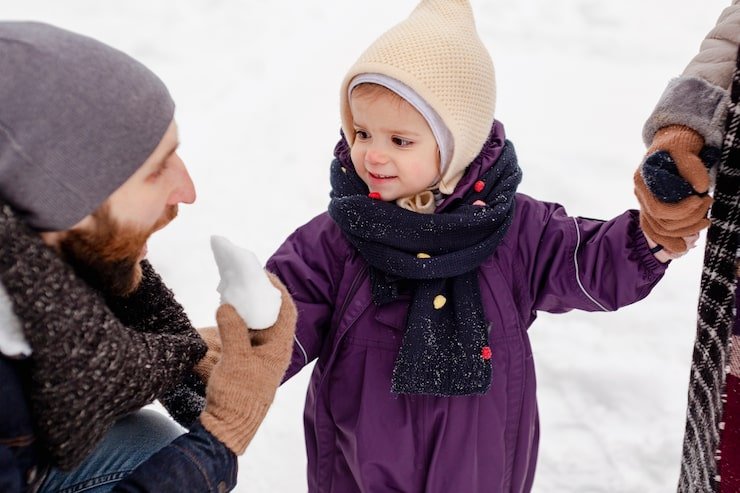
Cold weather can impact children both physically and emotionally. Kids’ immune systems are still developing, which makes them more vulnerable to colds and flu. They also spend less time outdoors, which limits their physical activity and exposure to sunlight, leading to restlessness or irritability.
Parents must focus on both their physical well-being and emotional balance during the cold months. A mix of healthy habits, warm routines, and creative activities can make a huge difference.
1. Dress Them in Layers Smartly
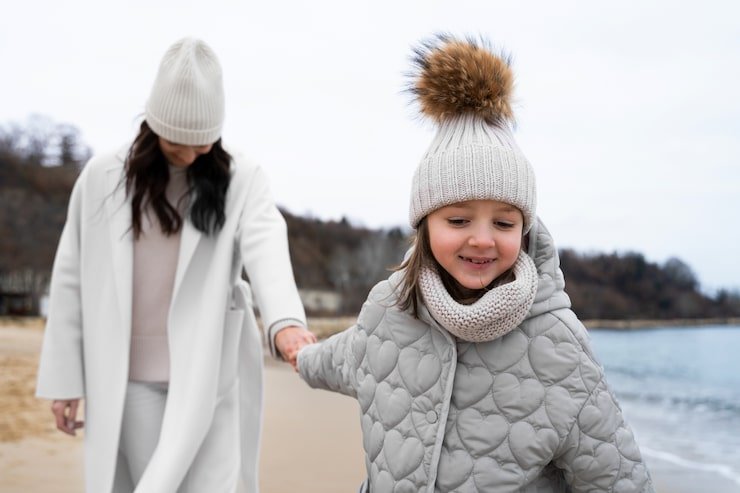
Keeping children warm doesn’t mean over-bundling them until they can barely move. The key is to layer smartly so they stay warm but comfortable enough to play and move freely.
How to layer your kids’ clothing effectively:
- Base Layer: Choose a cotton or moisture-wicking thermal top and leggings to keep them dry.
- Middle Layer: A soft fleece or wool sweater to retain body heat.
- Outer Layer: A waterproof and windproof jacket to protect from cold air.
- Accessories: Add a warm hat, gloves, and thick socks.
Overdressing can cause overheating and discomfort. Smart layering helps maintain warmth without restricting their movement, keeping them active and happy.
2. Keep Their Diet Nutritious and Cozy

A nutritious winter diet is one of the best ways to protect kids from seasonal illnesses. Foods that are rich in vitamins and minerals strengthen immunity and provide energy.
Healthy winter foods for kids include:
- Soups: Chicken, tomato, or vegetable soup are great for hydration and warmth.
- Dry Fruits: Almonds, walnuts, and cashews are packed with healthy fats and energy.
- Seasonal Fruits: Oranges, apples, and guava provide a strong dose of vitamin C.
- Warm Drinks: A glass of milk with honey or turmeric before bed can strengthen immunity.
You can also pack their lunch boxes with roasted chickpeas, boiled corn, or fruit slices with peanut butter for healthy snacking. The goal is to balance warmth, nutrition, and taste.
3. Create Indoor Fun Activities
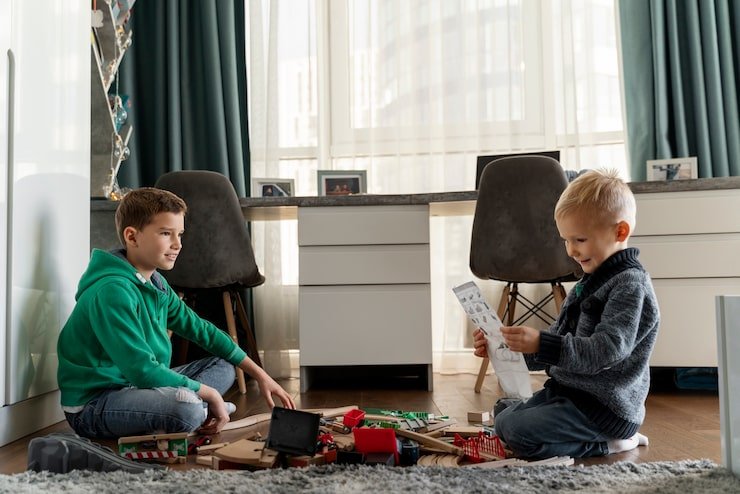
Cold weather often keeps kids indoors, which can easily turn into more screen time. Too much TV or mobile use can make them restless and unmotivated. To avoid this, plan engaging indoor activities that stimulate their creativity and keep them entertained.
Ideas for indoor fun:
- Art and Craft: Let them make paper snowflakes, paint winter scenes, or build models with clay.
- Story Time: Read storybooks or listen to audiobooks together.
- DIY Games: Build pillow forts, create treasure hunts, or play simple indoor obstacle games.
- Family Cooking: Bake cookies or cupcakes together.
Indoor play not only reduces boredom but also strengthens family bonding and encourages imagination.
4. Keep Them Emotionally Warm
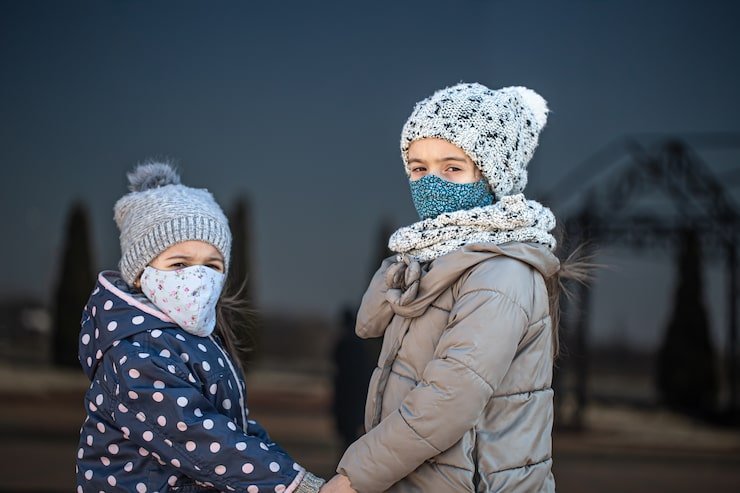
Emotional warmth is just as important as physical warmth. During winter, shorter days and less outdoor activity can make children feel lazy or even moody. Parents should pay attention to their children’s emotional needs and keep their spirits high.
Ways to nurture emotional well-being:
- Spend quality time together every day, even if it’s just 20 minutes of focused attention.
- Celebrate small achievements and encourage them to try new things.
- Help them start new hobbies such as drawing, journaling, or learning simple music.
Happy and emotionally secure children are less likely to feel low energy or anxiety during the colder months.
5. Teach Hygiene Habits in Winter

Cold weather is flu season, and good hygiene can help prevent the spread of illness. Teaching children proper hygiene habits early will keep them and the whole family healthier.
Simple hygiene practices to teach kids:
- Wash hands with warm water before eating and after playing.
- Use tissues while sneezing or coughing.
- Keep their face, hands, and nails clean.
- Avoid sharing towels, utensils, or bottles.
You can make hygiene fun by turning it into a game or rewarding consistent habits with small treats or stickers. Kids love learning through play.
6. Maintain a Cozy Sleep Routine

Adequate sleep is essential for children’s growth and immunity. In winter, it’s tempting for them to stay up late under cozy blankets or watch TV, but a consistent sleep routine helps maintain good health.
Tips for a healthy sleep routine:
- Keep bedrooms warm but well-ventilated.
- Use soft pajamas and cozy blankets.
- Limit screen time at least an hour before bedtime.
- Read them a bedtime story or offer warm milk to help them relax.
A consistent bedtime routine keeps children calm, rested, and ready to face the next day with energy.
7. Encourage Safe Outdoor Play

Even in cold weather, children need sunlight and fresh air. Outdoor play helps with vitamin D production, boosts mood, and builds stronger bones and immunity. The key is to plan outdoor time wisely.
How to manage outdoor activity safely:
- Schedule outdoor play during sunny hours, usually mid-morning or early afternoon.
- Ensure they wear proper winter clothing.
- Avoid wet or slippery surfaces.
- Encourage short walks, cycling, or backyard games.
A few minutes of outdoor activity daily can make a big difference in their energy and happiness levels.
8. Make Winter Magical

Winter doesn’t have to be dull or repetitive. You can turn it into a magical experience for your kids with small surprises and traditions.
Fun ideas to make winter special:
- Have a family movie night with blankets and popcorn.
- Set up a mini hot chocolate bar at home.
- Do a family photoshoot in cozy winter outfits.
- Create handmade winter decorations together.
These simple joys help children associate winter with warmth, love, and togetherness.
9. Stay Alert for Health Issues
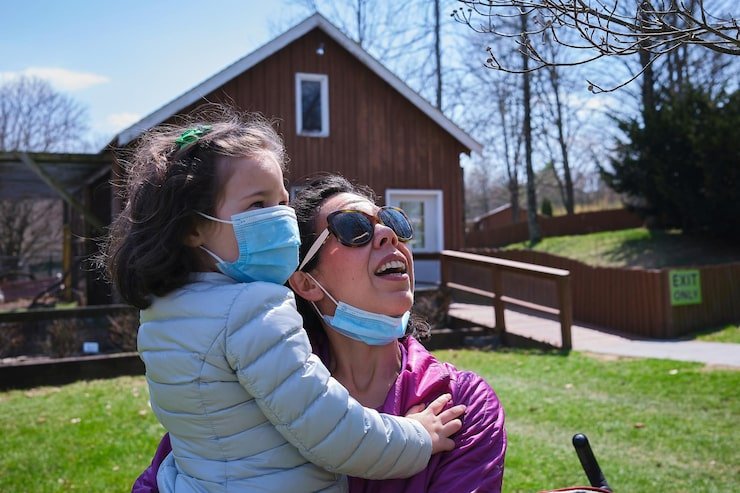
No matter how careful parents are, winter illnesses can still occur. What matters most is recognizing symptoms early and responding appropriately.
Watch out for these signs:
- Fever lasting more than two days
- Continuous cough or sore throat
- Difficulty breathing
- Loss of appetite or unusual tiredness
If you notice these symptoms, consult your pediatrician immediately. Early treatment prevents complications and helps kids recover faster.
Conclusion
Parenting in cold weather is about finding balance. You need to protect your children from the chill, but also give them space to explore, play, and feel happy. With smart clothing choices, healthy food, indoor creativity, and emotional support, you can make winter a joyful season for your family.
Remember, warmth isn’t just about temperature—it’s about love, comfort, and connection. When your children feel emotionally safe and physically comfortable, they’ll cherish every moment of winter as a beautiful memory.