The journey into parenthood is filled with exciting milestones, and few are as eagerly anticipated as introducing your little one to the wonderful world of solid foods. Around six months, many babies show readiness to explore tastes and textures beyond breastmilk or formula. It’s a messy, joyful, and sometimes bewildering adventure, but with a little guidance, it can be incredibly rewarding for both of you.
This article is designed to be your supportive guide, offering a clear 6-month baby food chart, practical tips, and 14 easy, nutritious recipes to help you confidently navigate this new chapter. Remember, every baby is unique, and this is a journey to be enjoyed at their own pace.
Is Your Baby Ready for Solids? Key Readiness Signs
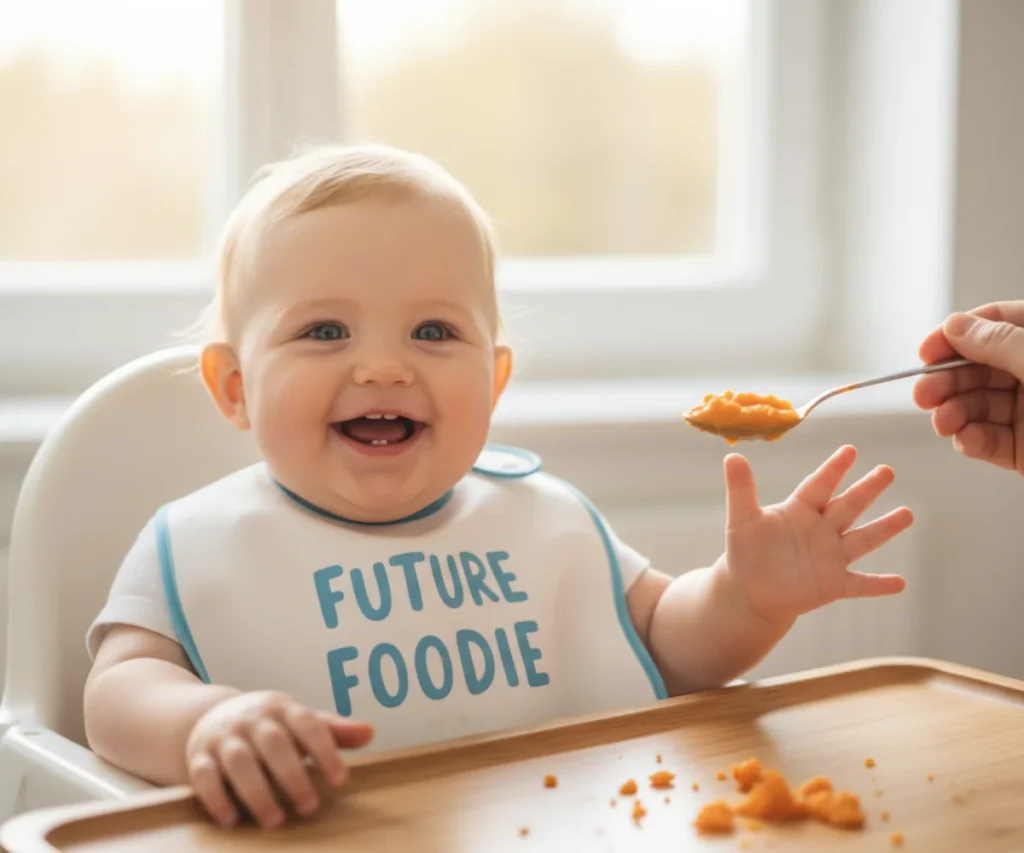
Before diving into purees and mashes, it’s crucial to ensure your baby is developmentally ready for solid foods. Starting too early can pose risks, while waiting too long can miss a crucial window for developing feeding skills. Look for these signs of readiness, which typically appear around six months:
- Good Head and Neck Control: Your baby can hold their head steady and upright without support. This is vital for safe swallowing.
- Sitting Up Independently (or with minimal support): They can sit upright in a high chair or on your lap, which helps prevent choking.
- Loss of Tongue-Thrust Reflex: When you offer a spoon, your baby no longer automatically pushes food out with their tongue. This reflex prevents them from choking but also makes eating solids difficult.
- Showing Interest in Food: Your baby watches you eat, leans forward, opens their mouth, and perhaps even tries to grab food from your plate.
- Can Pick Up Food and Bring it to Their Mouth: While fine motor skills are still developing, they might attempt to grasp and explore objects (and food) with their hands.
If your baby exhibits most of these signs, they are likely ready to embark on their solid food adventure! Always consult with your pediatrician before starting solids.
First Foods for Your 6-Month-Old
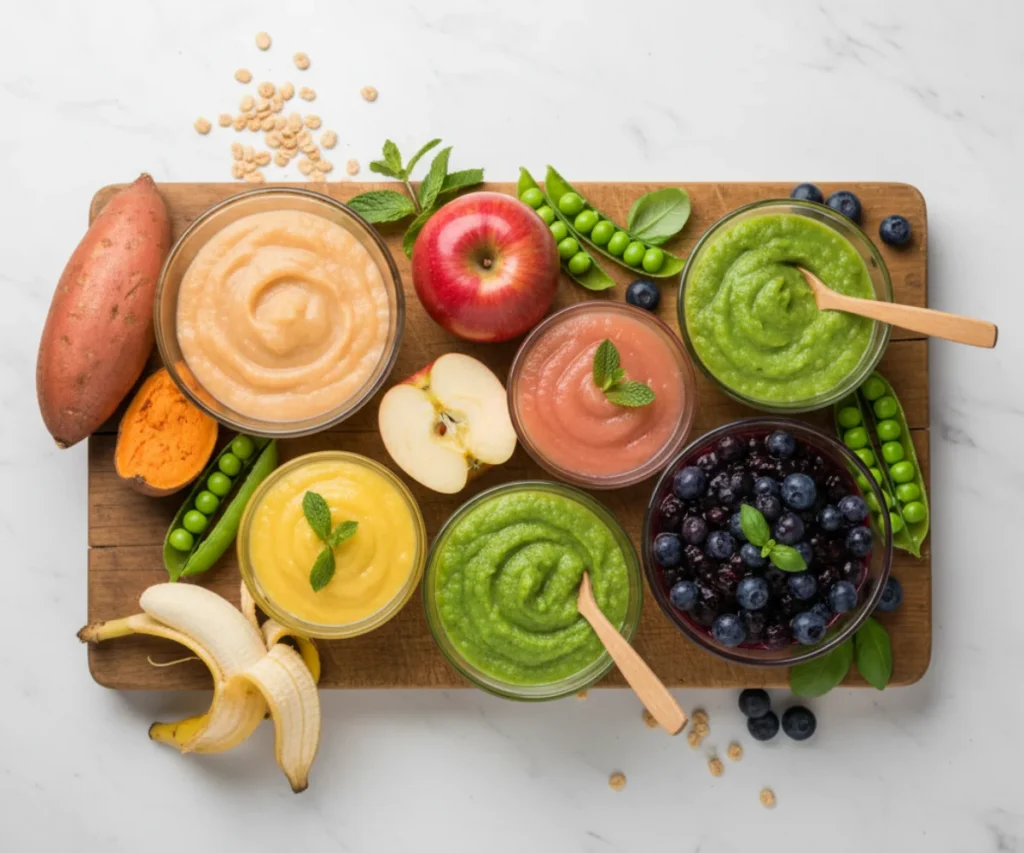
When introducing solids, simplicity is key. Start with single-ingredient purees to easily identify any potential allergies or sensitivities. The goal is to introduce a wide variety of flavors and textures over time.
What to Look For
- Smooth Texture: Begin with very smooth, lump-free purees.
- Single Ingredient: Introduce one new food every 3-5 days. This allows you to monitor for allergic reactions (e.g., rash, swelling, vomiting, diarrhea).
- Nutrient-Dense: Iron-fortified baby cereals or pureed meats are excellent first foods due to their iron content, which babies need at this stage.
- Variety of Colors: Different colored fruits and vegetables offer different vitamins and minerals.
Foods to Generally Avoid at Six Months
While many foods are safe, some should be avoided in infancy:
- Honey: Can cause infant botulism.
- Cow’s Milk: Not as a primary drink before age one, though small amounts in food are generally fine.
- Added Sugar or Salt: Avoid in all baby foods. Their kidneys are not developed enough to handle excess salt, and sugar creates unhealthy preferences.
- Whole Nuts/Popcorn/Hard Candies: Choking hazards.
- Unpasteurized Foods: Can contain harmful bacteria.
The 6-Month Baby Food Chart: A Gentle Guide
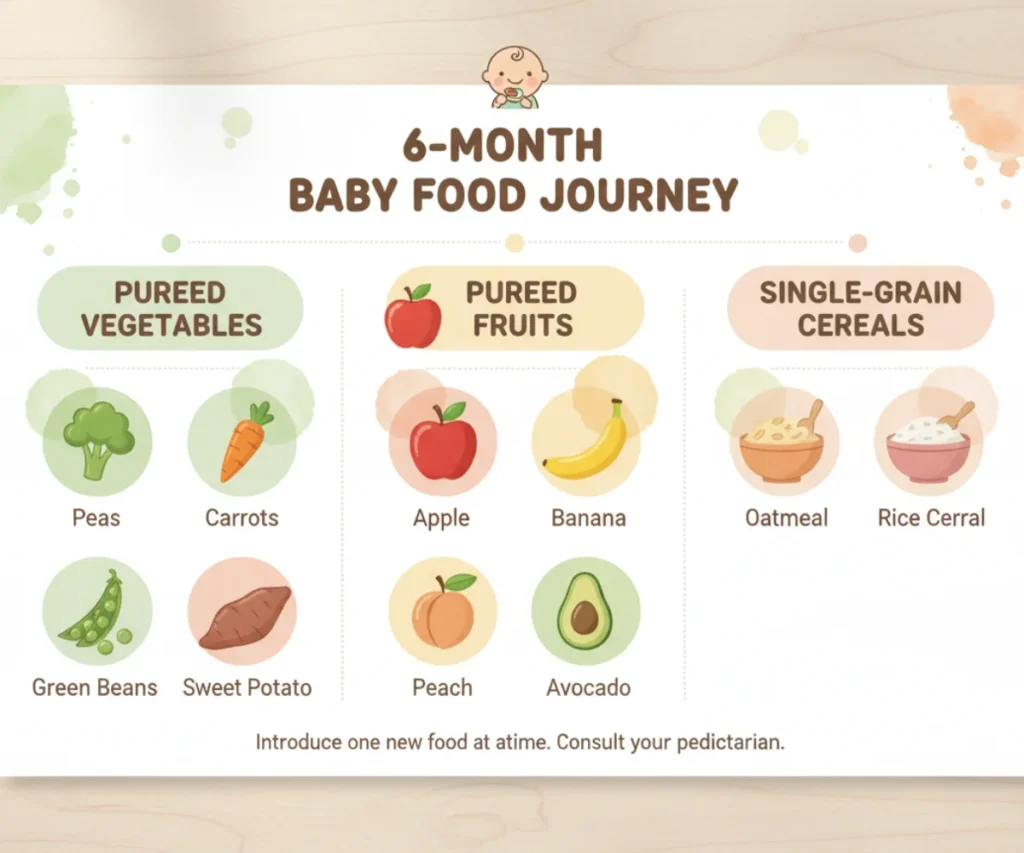
This chart provides a general guideline for introducing foods to your 6-month-old. Remember to introduce one new food at a time, waiting 3-5 days before the next new food.
Phase 1: Single-Ingredient Purees
Focus on smooth, thin purees. Offer 1-2 tablespoons per feeding, 1-2 times a day, alongside breastmilk or formula.
| Category | Examples of Foods | Preparation |
|---|---|---|
| Vegetables | Sweet Potato, Butternut Squash, Carrot, Green Beans, Peas, Zucchini | Steamed until very tender, then pureed with breastmilk, formula, or water until smooth. |
| Fruits | Banana, Avocado, Apple, Pear, Peach | Ripe banana/avocado can be mashed. Others steamed/baked until soft, then pureed. |
| Grains | Iron-fortified Rice Cereal, Iron-fortified Oatmeal Cereal | Prepared with breastmilk or formula to a thin consistency. |
| Proteins (Optional) | Pureed Chicken, Turkey, Lentils (well-cooked and pureed) | Cooked thoroughly, then pureed very finely with liquid to a smooth consistency. Consult pediatrician before introducing. |
Progression: Towards Thicker Textures
As your baby gets more comfortable, you can gradually thicken the purees and introduce slightly chunkier textures. Continue offering a variety of foods to broaden their palate.
14 Easy Recipes for Your 6-Month-Old
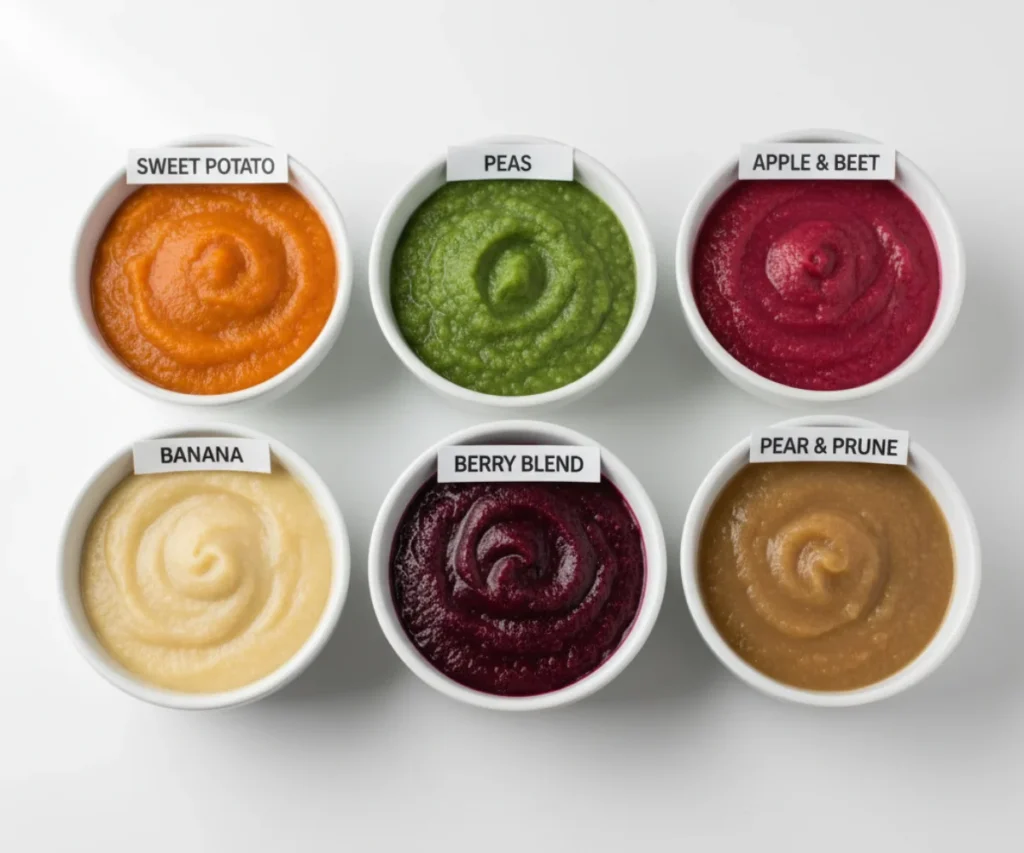
These recipes are designed to be simple, using fresh ingredients. Always ensure fruits and vegetables are thoroughly washed, peeled (if necessary), and cooked until very soft before pureeing.
1. Silky Sweet Potato Puree
A classic first food, packed with Vitamin A.
- Ingredients: 1 medium sweet potato.
- Instructions: Peel and dice the sweet potato. Steam until fork-tender (about 15-20 minutes). Puree in a blender or food processor, adding breastmilk, formula, or water a tablespoon at a time until desired smooth consistency is reached.
2. Creamy Avocado Mash
Rich in healthy fats, avocado is a fantastic first food.
- Ingredients: 1/2 ripe avocado.
- Instructions: Scoop out the flesh of the avocado. Mash thoroughly with a fork or blend until smooth. Add a tiny bit of breastmilk or formula if needed for smoother consistency.
3. Bright Green Pea Puree
Peas are a good source of vitamins K, C, and fiber.
- Ingredients: 1 cup frozen peas (thawed).
- Instructions: Steam thawed peas for 5-7 minutes until tender. Puree in a blender, adding a splash of breastmilk, formula, or water as needed. Strain if your baby prefers an extra smooth texture.
4. Velvety Banana Puree
Naturally sweet and easy to prepare, bananas are a baby favorite.
- Ingredients: 1 ripe banana.
- Instructions: Peel the banana and mash well with a fork until smooth. No cooking required!
5. Basic Iron-Fortified Rice Cereal
Often recommended as a first food due to iron content.
- Ingredients: 1-2 tablespoons iron-fortified rice cereal, 4-5 tablespoons breastmilk or formula.
- Instructions: Mix the cereal with breastmilk or formula, gradually adding liquid until you achieve a thin, smooth consistency.
6. Warm Oatmeal Cereal with Fruit
Another iron-rich option, with a hint of fruit for flavor.
- Ingredients: 1-2 tablespoons iron-fortified baby oatmeal, 4-5 tablespoons breastmilk or formula, 1 tablespoon fruit puree (e.g., apple or pear).
- Instructions: Combine oatmeal with breastmilk or formula, then stir in the fruit puree. Adjust liquid for desired consistency.
7. Smooth Carrot Puree
Carrots offer beta-carotene for healthy vision.
- Ingredients: 2 medium carrots.
- Instructions: Peel and chop carrots. Steam until very soft (about 15-20 minutes). Puree until smooth, adding liquid as needed.
8. Gentle Green Bean Puree
A mild vegetable, good for introducing green flavors.
- Ingredients: 1 cup fresh or frozen green beans.
- Instructions: Steam green beans until tender (about 10-12 minutes). Puree with liquid until silky smooth.
9. Sweet Apple Puree
Apples are a classic, versatile fruit.
- Ingredients: 1 large apple (e.g., Fuji, Gala).
- Instructions: Peel, core, and chop the apple. Steam or bake until very soft (about 10-15 minutes). Puree until smooth.
10. Mellow Pear Puree
Pears are naturally gentle on little tummies.
- Ingredients: 1 ripe pear (e.g., Bartlett, Bosc).
- Instructions: Peel, core, and chop the pear. Steam until soft (5-8 minutes). Puree until smooth.
11. Mild Zucchini Puree
A great way to introduce a mild green vegetable.
- Ingredients: 1 small zucchini.
- Instructions: Wash and chop the zucchini (peeling is optional for young babies). Steam until very tender (about 8-10 minutes). Puree until smooth, adding liquid if necessary.
12. Golden Butternut Squash Puree
Packed with vitamins and a lovely naturally sweet flavor.
- Ingredients: 1 cup diced butternut squash.
- Instructions: Steam or roast butternut squash until very soft (roasting enhances sweetness). Puree with breastmilk, formula, or water until velvety smooth.
13. Baby-Friendly Lentil Puree
A plant-based protein and fiber source (ensure very smooth).
- Ingredients: 1/4 cup red lentils, 1.5 cups water or low-sodium vegetable broth.
- Instructions: Rinse lentils thoroughly. Combine lentils and liquid in a saucepan, bring to a boil, then reduce heat and simmer until very tender (about 20-25 minutes). Puree until extremely smooth, adding more liquid if needed.
14. Smooth Chicken Puree
An excellent source of iron and protein for growing babies.
- Ingredients: 1 boneless, skinless chicken breast, 1/2 cup breastmilk, formula, or low-sodium chicken broth.
- Instructions: Poach or steam chicken breast until thoroughly cooked. Cut into small pieces. Blend chicken with liquid until completely smooth and lump-free. For a more familiar taste, you can mix a small amount with a vegetable puree.
Tips for Success and Safety

Starting solids can be an adventure! Here are some gentle reminders to make it a positive experience:
- Listen to Your Baby: Pay attention to their cues. If they turn away or clamp their mouth shut, don’t force them to eat. Respect their hunger and fullness signals.
- Mess is Part of the Fun: Embrace the mess! It’s how babies explore and learn about food. Use a large bib and a mat under the high chair.
- Consistency is Key: Offer solids at regular times each day, typically after a milk feeding so they aren’t ravenously hungry but also not too full.
- Variety Over Volume: The goal at this stage is to introduce a variety of flavors and textures, not to replace breastmilk or formula, which remain their primary source of nutrition.
- No Pressure: Mealtimes should be enjoyable. If your baby isn’t interested today, try again tomorrow.
- Stay Hydrated: Offer small sips of water from an open cup once solids are introduced, especially with meals.
- Choking Hazards: Always supervise your baby while they are eating. Avoid small, hard, round, or sticky foods. Cut foods into age-appropriate sizes and textures.
- Allergy Awareness: While introducing one new food every 3-5 days, watch for signs of allergic reactions such as hives, rash, swelling of the face or lips, vomiting, diarrhea, or difficulty breathing. Contact your pediatrician immediately if you notice any severe symptoms.
Conclusion: Celebrating Every Bite
Introducing solid foods to your 6-month-old is a beautiful and exciting phase of development. It’s a time for discovery, sensory exploration, and bonding. While it can feel daunting to create a whole new meal plan for your tiny human, remember that every pureed spoon, every new taste, and every messy meal is a step forward in their growth and development.
Use this 6-month baby food chart and these easy recipes as your foundation, but always trust your instincts and your baby’s cues. Celebrate the small victories, embrace the inevitable messes, and most importantly, enjoy these precious moments of watching your little one explore the delicious world around them. You’re doing a wonderful job, and your baby is lucky to have you guiding them on this tasty journey.